


Vamos con otro día muy centrado en la muerte de Enzo Bianchi, todos los medios dan la noticia y hacen sus comentarios, más o menos críticos. No es un figura indiferente y supone otro cierre de los tiempos sesenteros. Vamos con otro día intenso.
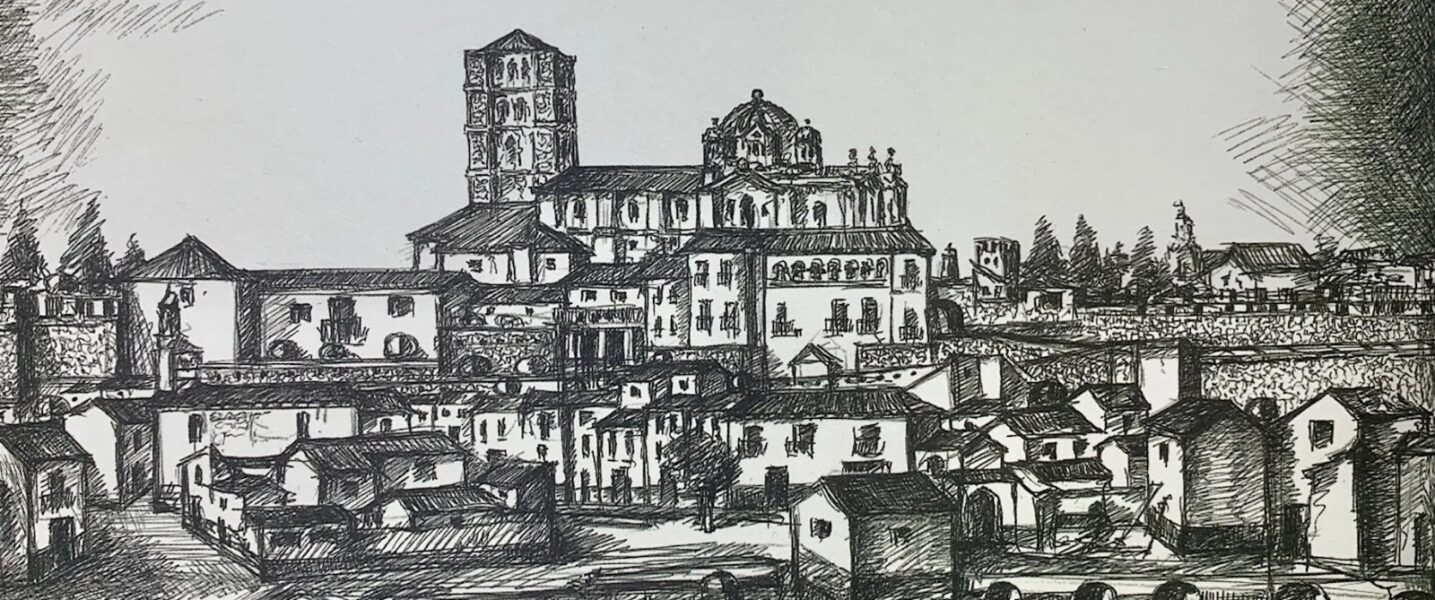
Se suele decir por tierras hispanas que «Zamora no se ganó en una hora», ni en una hora ni en siete meses, cuando las cosas no se resuelven tienden a complicarse. Se trata de una frase hecha para aconsejar paciencia, constancia y perseverancia para afrontar un trabajo arduo. Es dicho muy antiguo ya utilizado en obras literarias como La Celestina. Su origen está en el asedio que en el siglo XI sufrió la bellísima ciudad de Zamora durante siete meses por parte de Sancho II de Castilla. Antes de su muerte, Fernando I decidió repartir sus territorios entre sus hijos: Sancho II de Castilla, Alfonso VI de León, García de Galicia, Urraca de Zamora y Elvira de Toro. Sin embargo, en 1065 falleció el rey y fue entonces cuando comenzó una encarnizada lucha por los reinados. Zamora resistía en manos de Urraca, fiel partidaria de Alfonso VI. La ciudad era en esta época un importante enclave fronterizo y militar en la línea del Duero. Sancho la sitió, pero ni la ganó en una hora ni en los siete meses que duró el asedio, pues fue traicionado y asesinado antes de verlo acabado. El responsable de este regicidio fue Bellido Dolfos, fiel a doña Urraca, que escapó de Zamora y logró ganarse la confianza de Sancho II para asesinarle en un momento en el que se encontraba con él a solas. El Papa León puede sentirse asediado, pero el verdadero problema lo tiene en los falsos amigos muy aficionados a los cambios de chaqueta.
¿Por qué el Papa León XIV no está rugiendo?
¿Qué lo está frenando? ¿Quién lo está deteniendo?. Han transcurrido casi dieciséis meses desde aquel 8 de mayo de 2025, día de la elección de Robert Francis Prevost al papado, y el gobierno del hombre que adoptó el nombre de León XIV aún tiene evidentes dificultades para arrancar. Podría decirse —figuradamente y sin malicia ni prejuicio alguno— que el gran felino todavía no ha rugido ni dado los frutos que muchos esperaban durante y, sobre todo, después del Cónclave. Claro está, este papa fue elegido a una edad relativamente joven en comparación con sus dos predecesores inmediatos (cumplirá 71 años el 14 de septiembre), y cabe esperar un pontificado bastante largo, y para algunos, esta actitud de «esperar y ver» respecto a las posturas claras y los reemplazos deseados es más que normal.
La realidad es otra, especialmente si se compara con casi todos los pontificados contemporáneos: por poner un ejemplo reciente, el Papa Francisco destituyó al cardenal Bertone como secretario de Estado y nombró a Parolin el 30 de agosto de 2013, apenas cinco meses después de su elección, y a finales de diciembre del mismo año la Curia Romana ya había sido moldeada en gran medida a su propia imagen y semejanza. Hoy, casi un año y medio después de asumir el cargo, León XIV aún mantiene a su lado todo el aparato eclesiástico bergogliano, del mismo modo que el aparato laico sigue vinculado en gran medida a la Comunidad de Sant’Egidio. Si bien es cierto que un gobierno también se juzga por los nombramientos y las personas elegidas por el «jefe» para impulsar su agenda, el estancamiento en el que se encuentra la Santa Sede resulta aún evidente y flagrante.
Es cierto que el Papa León ha revisado o sustituido en los últimos meses algunos de los actos legislativos de Francisco, pero los hombres al frente del aparato vaticano siguen siendo los mismos del pontificado anterior. Incluso el prefecto del Dicasterio para la Doctrina de la Fe, el Fernández, se mantuvo en su puesto a pesar de las quejas universales. León XIV le confió personalmente varios asuntos delicados, como las negociaciones (estrepitosamente fallidas) con los lefebvristas que condujeron a un nuevo cisma. Bajo León XIV, la extensión de altos funcionarios —y de muchos titulares de diócesis y arquidiócesis en todo el mundo— mucho más allá de la edad de jubilación canónica establecida por Pablo VI en 75 años se está convirtiendo en una práctica estándar de facto.
Permanecen en el cargo los cardenales Marcello Semeraro, de las Causas de los Santos (79 en diciembre); Arthur Roche, de Culto Divino (76 años y medio); Farrell, camarlengo y prefecto del Dicasterio para los Laicos, que cumple 79 años mañana; y Kurt Koch, de Unidad de los Cristianos (también 76 años y medio). Fisichella, pro-prefecto del Dicasterio para la Evangelización, cumplió 75 años el 25 de agosto, y en poco más de un mes y medio, Lazzaro You Heung-Sik, de Clero, también alcanzará sus 75.
Desde muchos sectores comienzan a surgir dudas sobre si León XIV es, en palabras de un cardenal con un importante pasado en la curia, un «Bergoglio educado», entendido como un hombre con la misma agenda pero con una estética y modales más «papales». Parafraseando la famosa frase de Winston Churchill sobre la Rusia de Stalin, podemos estar ante «un enigma envuelto en un misterio».
Es cierto que el aparato que lo rodea le rinde homenaje en un intento de reposicionarse, pero al mismo tiempo lo elude, tratando de bloquear el necesario relevo en la cúpula del poder vaticano. Entre los actores más activos en este sentido se encuentra, obviamente, la Comunidad de Sant’Egidio, que controla de facto todo el aparato de comunicaciones de la Santa Sede, así como la Conferencia Episcopal Italiana con el cardenal Matteo Zuppi. Solo cuando veamos que León haya encontrado el valor para distanciarse de estas personas será posible evaluar verdaderamente su línea y el alcance del poder de su «rugido».
Misa de la Creación.
Las cinco semanas de este «Tiempo» estarán dedicadas «a la oración y al compromiso de cuidar nuestra ‘casa común'», y el Pontífice, al atardecer, desde el encantador jardín con su estanque y la estatua de la Virgen, adornada para la ocasión con hortensias blancas y rosas a sus pies, insta a todos a tomarse un tiempo para meditar sobre la belleza de la creación y reflexionar. «Silenciemos el bullicio de las actividades humanas para escuchar la melodiosa voz de la creación, en la que Dios, el Creador de todas las cosas, nos habla. Este ejercicio contemplativo, que propicia el encuentro con el Señor, constituye un primer paso hacia una auténtica conversión ecológica, en la que los efectos del encuentro con Jesucristo se manifiestan claramente en nuestra relación con el mundo que nos rodea». «Contemplar con asombro las aves del cielo y los lirios del campo, tan preciosos a los ojos del Creador, nos ayuda a comprender la grandeza del amor de Dios por nosotros. Si el Señor no deja de conceder una belleza espléndida y de proveer para las necesidades de las plantas y los animales, ¡cuánto más atento estará a las necesidades de sus amados hijos e hijas!». «Aún no es demasiado tarde, y el Tiempo de la Creación nos llama a una profunda conversión: “Lo que se ha usado para la destrucción puede redirigirse hacia la vida, para el cuidado de los pobres, el alimento de los hambrientos y la protección de la creación”». No puede faltar y al finalizar, aludiendo al “Cántico de las Criaturas” del Poverello de Asís, el Papa nos anima a comprometernos “a vivir y promover” la “fraternidad universal”, “unidas inseparablemente a la tarea de proteger la creación”.
Esta guerra debe terminar.
El viaje del arzobispo Paul Richard Gallagher a Moscú marcó un cambio de paradigma definitivo en la diplomacia de la Santa Sede con respecto a la situación en Ucrania. Desconocemos lo que se dijo a puerta cerrada durante la reunión bilateral con el ministro de Asuntos Exteriores ruso, Serguéi Lavrov. Sin embargo, se puede extraer mucha información de las declaraciones iniciales tanto de la Santa Sede como de la delegación rusa antes de la reunión y en la rueda de prensa posterior. Estas reuniones son las primeras de este tipo que tienen lugar bajo el nuevo pontificado. León XIV ha introducido una estrategia diferente, más «diplomática». El papa Francisco se basó en gran medida en sus impresiones personales y su carisma. León ha adoptado un enfoque más convencional e institucional, con gran atención al detalle y la convicción de que la paz no puede lograrse sin claridad. León XIV ha recalcado que la Iglesia debe decir la verdad, incluso cuando esta resulte incomprensible para el mundo.
La frase que acaparó la mayor atención fue la firme declaración de Gallagher: «Esta guerra debe terminar». Exigió negociaciones claras y transparentes e hizo hincapié en las «diferencias persistentes» entre la Federación Rusa y la Santa Sede a la hora de evaluar ciertas situaciones, aclarando que la Santa Sede no cede ante la propaganda rusa.
La visita de Gallagher no ha tenido el impacto que podrían haber tenido en los medios de comunicación occidentales y sus palabras quedaron ahogadas por los vídeos difundidos con traducción al ruso. El Ministerio de Asuntos Exteriores ruso se apresuró a transcribir y publicar el contenido exacto de las palabras de Lavrov, pero ni la Secretaría de Estado de la Santa Sede ni los medios de comunicación vaticanos lo hicieron, a pesar de que habían enviado a un periodista para acompañar al arzobispo. La Santa Sede reconoce que Rusia es un actor global que no puede quedar excluido de las conversaciones, y tiende la mano a una Moscú que se siente cada vez más aislada.
Cupich: entre cismas y abrazos.
Muy rígidos con unos, muy compresivos con otros y siempre en la misma dirección. El cardenal Cupich ha permitido que Michael Pfleger, quien ha realizado «bendiciones» a homosexuales y ha apoyado la «ordenación de mujeres», regrese como párroco principal de una parroquia de Chicago, Santa Sabina. Una junta de revisión dijo que no había «ningún motivo» para creer que el sacerdote fuera culpable de su décima acusación de abuso sexual. En un comunicado del 24 de agosto , Cupich anunció que el padre Pfleger, quien tiene un largo historial de contradecir la doctrina católica sobre la homosexualidad , la «ordenación» femenina, el papado y de respaldar a políticos proaborto y de izquierda, ha sido absuelto de una acusación de abuso sexual a un menor presentada en julio y que se remonta a más de 30 años, tras la investigación de una «junta de revisión independiente». Desde 2021, el sacerdote ha sido acusado de abuso sexual en cinco ocasiones antes de ser absuelto y permitirle reanudar su «ministerio».
Las falsas acusaciones a Ouellet.
Un tribunal de Quebec ha dictaminado que las acusaciones de Pamela Groleau, quien en 2022 implicó al cardenal en una demanda colectiva por abusos en la diócesis de Quebec, son falsas y difamatorias. El juez Martin Castonguay ordenó a Groleau pagar al cardenal 100.000 dólares canadienses, la cantidad que Ouellet había solicitado en su contrademanda. El fallo de 52 páginas, firmado al término de un juicio de siete días en marzo, pone fin a un caso civil que había acaparado la atención internacional desde 2022. El 19 de marzo de 2001, Juan Pablo II lo consagró obispo en la Basílica de San Pedro; el 15 de noviembre de 2002, lo nombró arzobispo de Quebec y primado de la Iglesia Católica en Canadá, cargo que asumió el 26 de enero de 2003; y el 21 de octubre del mismo año, fue creado cardenal. De 2010 a 2023, dirigió la Congregación para los Obispos. Participó como cardenal elector en los cónclaves de 2005 y 2013. Su renuncia, presentada en 2019 al alcanzar el límite de edad, fue aceptada por Francisco en enero de 2023, en su lugar fue nombrado Roberto Francisco Prévost , entonces obispo de Chiclayo.
Enzo Bianchi ha muerto.
El cuerpo permanece en capilla ardiente desde el miércoles por la mañana en la Casa della Madia de Albiano d’Ivrea. Enzo Bianchi regresará a Castel Boglione, la localidad de la región de Asti donde nació el 3 de marzo de 1943. El funeral tendrá lugar mañana en la iglesia parroquial. Tras el funeral, el fundador de Bose será enterrado en el cementerio municipal. El anuncio lleva las firmas de los hermanos y hermanas de Madia: Goffredo Boselli, Giovanni Gatti, Maurizio Milesi, Claudio Bellandi, Antonella Casiraghi y Laura Marino, junto con sus familiares Maddalena e Ines Moccafighe, Loredana Nicala, Francesca Bianchi y Sandra Cordara. El sencillo texto comienza con la fórmula tradicional: «Habiendo concluido su peregrinación terrenal, ha entrado en el descanso del Señor». Quienes lo firman expresan su gratitud al Señor por el don de su vida.
La Fraternidad ha añadido una oración al mensaje, resumiendo cómo sus hermanos desean recordarlo. Le agradecen una vida «llena de pasión» por la Palabra, sus «palabras francas y proféticas» y su «hospitalidad incondicional, capaz de convertir cada encuentro en un espacio de fraternidad y ecumenismo sincero». Piden a Dios que purifique «todas sus debilidades» y le conceda la oportunidad de contemplar «ese Rostro que buscó con amor en las Escrituras, en la liturgia y en la mirada de cada hermano y hermana».
Bianchi, en sus últimos años, reconoció su fe «más llena de preguntas y dudas que antes», pero también cómo se mantuvo firme en lo que no se había desvanecido: «su amor por el Señor permaneció ».
Enzo Bianchi muere en el exilio.
Enzo Bianchi , de 83 años, uno de los principales fundadores de la comunidad monástica de Bose , fundada en 1965 en la provincia de Biella. En 2020, fue destituido de Bose por orden del Papa Francisco, fundó Casa della Madia, una «cofradía» monástica ubicada en Albiano d’Ivrea. Desde entonces, se había retirado gradualmente, en parte debido a problemas de salud, y en sus últimos días, su estado empeoró debido a una insuficiencia renal, que le provocó la muerte en coma metabólico.
Banchi apareció por última vez en público el pasado mes de mayo en Turín, donde presentó un libro de Spadaro SJ. En los últimos años, había abordado, entre otros temas, el de la Misa con el rito antiguo, debatiendo con otros teólogos e historiadores de la Iglesia, manteniendo siempre una postura en defensa del Concilio y sus reformas. En 2017, Enzo Bianchi sufrió un duro conflicto con el Papa Francisco , quien deseaba un cambio en la dirección de la Comunidad para evitar una excesiva concentración de poder. Tras un largo tira y afloja, que incluyó la intervención de un psicoanalista enviado directamente por el Vaticano, Bianchi: «Estoy en el exilio que me impusieron».
Aldo maria Valli y Enzo Bianchi.
«Lo recuerdo como una persona acogedora y curiosa, siempre dispuesta a responder preguntas. Conversar con él era agradable y, desde luego, nunca aburrido. Sus reflexiones nunca eran banales. A pesar de una formación no clásica (tenía un título en contabilidad y no había completado sus estudios universitarios en economía), era capaz de abordar cuestiones filosóficas y teológicas con cierta maestría. Tenía talento para la escritura, tanto en breves artículos periodísticos como en ensayos. Admito que me fascinaba, hasta que me di cuenta de la distancia entre nuestras posturas cuando empecé a reconocerme como un modernista involuntario y, en consecuencia, redescubrí la Tradición».
«En 2022, junto con Don Nicola Bux, dediqué el libro “El cambio de guardia” a Enzo Bianchi , en el que resumí el conflicto interno en el monasterio de Bose, la intervención del Vaticano y las vicisitudes que Bianchi afrontó en la última etapa de su vida. Creo que la historia de Enzo Bianchi es paradigmática de la Iglesia posterior al Concilio Vaticano II, con todas sus desviaciones, ambigüedades y contradicciones, en el contexto del aplauso casi unánime de la cultura secularista». Publicó un libro, «¿Qué hay más allá?», en el que retomó esta pregunta. Explicó: «Conocemos el aquí y el ahora y vemos que tiene un límite ineludible. Esperamos que haya una vida después de la muerte, pero creo que debemos hacerla presente en el aquí y el ahora. Elementos de la eternidad ya existen aquí y ahora. Lo que aún no es, ya está aquí. «Últimamente, sus pensamientos giraban a menudo en torno a la muerte. Una vez que lo encontré me preguntó: «¿Crees que si hubiera sido alto y guapo me habría hecho monje?». «Sabes, Aldo, todavía no he aceptado del todo esto de la muerte. Le tengo miedo».
El monje que era popular fuera de los monasterios
Reducir la figura de Bianchi a la desastrosa conclusión de la experiencia de Bose sería una insensatez. Desempeñó un papel fundamental al abrir el catolicismo italiano al diálogo ecuménico y al restaurar la centralidad de las Escrituras. Se dirigió a un público que a menudo no habría escuchado a un obispo ni habría entrado en una parroquia. Teólogos, filósofos e intelectuales de la más diversa índole pasaron por Bose. Mantuvo relaciones con el mundo ortodoxo, con protestantes e incluso con comunidades budistas. Poseía una extraordinaria capacidad para relacionarse con los demás e incluso una extraordinaria capacidad para estar en el centro de esas relaciones.
Bianchi vivió la constante tensión entre el monje y la figura pública, entre la comunidad y el fundador, entre el predicador del secreto y una figura pública que tenía muy poco en común con el mundo secreto. Incluso algunos que habían compartido o frecuentado durante mucho tiempo la experiencia Bose terminaron criticándolo precisamente por esto: su alejamiento del espíritu original, su creciente autopromoción, incluso su gusto por los títulos y los elogios que, a su juicio, eran incompatibles con el radicalismo de sus inicios. El joven que había acudido a Bose en 1965 para buscar a Dios en silencio se había convertido en una autoridad moral pública.
«¡Tú eres el Hijo de Dios!».
Buena lectura.