


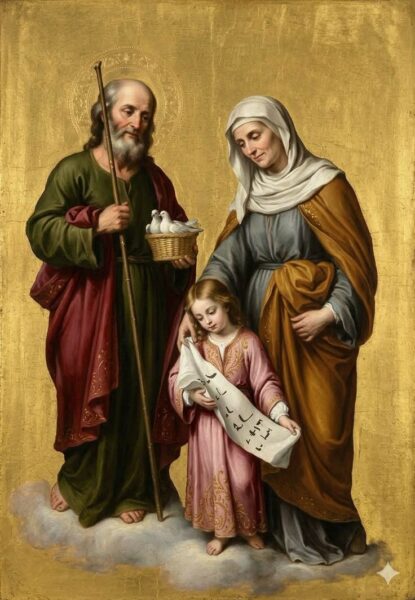
Hoy celebramos la Fiesta de la Natividad de la Santísima Virgen María y el Papa León se ha vuelto a acercar a Ganezzano con sus hermanos agustinos. Vamos con otro intenso día con temas más que interesantes.
El Papa León en Genazzano.
Ayer, por la tarde, el Papa León XIV visitó el Santuario de la Madre del Buen Consejo en Genazzano, en la Vigilia de la Natividad de la Santísima Virgen María, donde donó la rosa de oro a la Virgen y desveló el fresco que lo representa en oración, como sus predecesores que acudieron a la Basílica, en conmemoración de su primera visita el 10 de mayo de 2025. «Estoy aquí de nuevo, lleno de alegría, para celebrar con ustedes la Vigilia de la Natividad de la Santísima Virgen y para encomendar a la Niña María todo lo que aún nace en esta pobre pero magnífica humanidad: frágil como un brote, pero signo de la fidelidad de Dios. Sí, María es el amanecer de un día diferente, de nuestro mundo finalmente liberado del mal. Y estamos aquí, cerca de ella, alrededor del Altar del que nos viene la salvación y nos transforma, hijos en el Hijo. Pidámosle su Buen Consejo, para acoger la Palabra divina, guardarla en nuestro interior y sacarla a la luz mediante decisiones valientes y sabias, decisiones de auténtica conversión».
Rupnik: en Lourdes, no, en Brasil, sí.
El Papa ordena el encubrimiento de las obras de Marko Rupnik, quien está siendo juzgado por abusos, en Francia, pero bendice la solemne inauguración en Brasil de la fachada de la basílica de Aparecida. El sábado 12 de septiembre, en Aparecida, Brasil, se inaugurará solemnemente, con la bendición del Papa, un gran mosaico en la fachada de la basílica más grande de Sudamérica, que diseñado por Marko Rupnik. Dos semanas después, en Lourdes, el Papa visitará el santuario y encontrará los mosaicos de Rupnik en las fachadas de la basílica permanentemente cubiertos y lo curioso del caso es que en ambos casos, la aprobación del Papa es plena, inquebrantable y ampliamente difundida en los medios de comunicación.
En Aparecida no lo ocultan; de hecho, están promoviendo las donaciones: quienes contribuyeron a hacer realidad este gran proyecto aparecerán en un libro que se conservará en el santuario. Los muros con la marca Rupnik se describen en la página web oficial de Aparecida, donde se muestran los mosaicos individuales, se explica su significado, la fecha de creación, los materiales utilizados y la cantidad de artistas que los realizaron. A diferencia del santuario brasileño, el Centro Aletti es mucho más reservado con la información. De hecho, la página sobre Aparecida está estancada en 2023 : probablemente consideraron que era mejor no llamar demasiado la atención y dar la impresión de que el proyecto se había suspendido a la espera del veredicto final sobre Rupnik. La fachada este, terminada en la primavera de 2025, cuenta con casi 4.000 metros cuadrados de mosaico con un costo de al menos 14 millones de euros. Entendemos el malestar de las víctimas ante la visión de las obras de su abusador. Mucho peor es el persistente deseo personal del Papa Francisco de salvar a Rupnik como fuera. Una misteriosa excomunión desaparecida y un juicio que no llega. Decidir aquí sí, aquí no, no deja de dejar a la luz que el problema no es la obra de Rupnik sino gestionar una vergüenza que no se sabe como tapar.
El entusiasmo ante la elección de León XIV.
Es preocupante que la persistente inactividad ante problemas acuciantes del Papa León XIV empieza a provocar sonoras desafecciones. Tras más de una década de errores doctrinales y litúrgicos durante el pontificado anterior, bastaba con ver una muceta desgastada, un roquete bordado o a un papa que regresaba para que le besaran la mano y hablara en voz baja de Jesús y María para provocar un clamor de milagro. Los llamados «conservadores redimidos», no tardaron en proyectar sus propias expectativas infantiles sobre el papa recién elegido, celebrando cada uno de sus gestos, por mínimos que fueran, como un punto de inflexión trascendental.
La Curia Romana sigue avanzando a pasos agigantados por la senda del modernismo, y la «nueva religión» inaugurada en la década de 1960 continúa siendo la doctrina oficial. Quien hoy se engañe creyendo que un decoro ceremonial superficial puede sanar las heridas de un cuerpo místico infectado por décadas de inmunodeficiencia doctrinal demuestra no comprender la gravedad de la crisis. La “resaca del Concilio Vaticano II” ha reducido a escombros el catolicismo sociológico y cultural, extinguiendo la transmisión de la fe dentro de las familias. En este escenario de secularización avanzada y desolación institucional, estamos presenciando un fenómeno extraordinario y científicamente medible que desmiente la narrativa modernista de la «muerte de Dios».
En la primavera de 2026 se produjo un aumento sin precedentes en las conversiones y bautismos de adultos en las últimas décadas. Los datos oficiales de las diócesis europeas, publicados antes de la Pascua, delinean un punto de inflexión verdaderamente histórico que está obligando a los analistas a revisar sus catastróficas previsiones. El dato sociológicamente más impactante reside en el perfil demográfico de este resurgimiento: más de la mitad de los recién bautizados son menores de treinta y cinco años. Hablamos de la Generación Z y los Millennials, jóvenes criados en el vacío existencial del relativismo y el consumismo espiritual. Rechazando la superficialidad y las liturgias mundanas y «democratizadas», buscan desesperadamente la trascendencia, lo sagrado y la objetividad de la doctrina.
Una encuesta reciente realizada en Francia para Bayard-La Croix revela que el 9% de los católicos practicantes habituales declaran la Misa en latín como su favorita, mientras que el 25% la aprecia tanto como el rito ordinario, y un 67% no expresa ninguna objeción al rito antiguo. Esta generación «birritual» menor de treinta y cinco años rechaza las antiguas etiquetas ideológicas del período posterior al Concilio Vaticano II y redescubre la vía pulchritudinis a través de la adoración de rodillas, la comunión en la lengua, el canto gregoriano y la orientación del sacerdote hacia el orientem. Mientras que las parroquias comunes registran una asistencia mínima y una edad promedio notablemente avanzada, la única misa tridentina de la ciudad está siempre repleta de jóvenes menores de treinta años, parejas jóvenes y familias numerosas. Incluso desde el punto de vista de las vocaciones y el clero, el crecimiento parece constante y evidente.
Si observamos la Iglesia desde la perspectiva de la sociología contemporánea, el panorama parece desolador. Pero si adoptamos la perspectiva de la fe y el paso de los siglos, los datos de 2026 nos ofrecen una esperanza inquebrantable para los próximos doscientos años. La ley de la demografía espiritual es inexorable. El catolicismo modernista, sinodal y progresista es incapaz de transmitir la fe. Se nutre del capital acumulado por generaciones pasadas, pero no genera nuevos fieles. Cuando esta generación biológica se extinga, no quedará nada de ese modelo salvo iglesias vacías convertidas a otros usos comerciales o civiles. La Iglesia que sobreviva a la gran apostasía contemporánea será, necesariamente y de manera singular, tradicionalista. La «resaca del Concilio Vaticano II» será recordada en los libros de historia eclesiástica como un interludio doloroso pero pasajero, una fascinación mundana que pretendía destronar a Nuestro Señor y sustituirlo por un ídolo antropocéntrico.
Es posible enamorarse de la inteligencia artificial.
¿Podemos enamorarnos de una Inteligencia Artificial aun sabiendo que no es una persona? ¿Puede un compañero de IA convertirse en un antídoto contra la soledad, o corre el riesgo de reemplazar gradualmente las relaciones humanas? Y si una máquina es capaz de crear, recordar lo que le decimos y aprender sobre nosotros, ¿dónde está el límite entre la inteligencia artificial y la mente humana? Estas preguntas son cada vez menos teóricas. Según la Organización Mundial de la Salud, aproximadamente una de cada seis personas en el mundo experimenta soledad, mientras que entre los adolescentes la cifra alcanza aproximadamente el 21%. Al mismo tiempo, la presencia de la IA en la economía está creciendo: según el Istat, en 2025, el 16,4% de las empresas italianas con al menos 10 empleados utilizarán tecnologías de Inteligencia Artificial, el doble de la cifra del 8,2% en 2024.
Estamos ante la entrada de las máquinas en ámbitos que siempre hemos considerado profundamente humanos, desde las relaciones hasta la creatividad, desde la identidad hasta la consciencia. ¿Puede existir una inteligencia artificial «digna del amor humano»? Textos, imágenes, música y vídeos se generan ahora en segundos. Pero, ¿producir algo nuevo implica realmente ser creativo? Y cuando una obra surge de la colaboración entre una persona y un sistema generativo, ¿quién es el autor? Las preguntas crecen y pasamos de «¿qué puede hacer una máquina?», ¿qué significa crear? ¿Qué significa comprender? ¿Qué hace que una relación sea auténtica? ¿Y qué significa ser consciente?. Lo cierto es que a medida que las máquinas se vuelven cada vez más capaces de imitar lo que hacemos, debemos redefinir qué significa ser humano.
Alvarado en la fundación «Fratello Sole».
El Papa León XIV ha elegido a María Montserrat Alvarado como nueva miembro del Consejo de Administración de la Fundación » Fratello Sole » , ante de tomar posesión de su nombramiento. El nombramiento se anunció en el boletín de la Santa Sede y corresponde a la presidenta y directora de operaciones de EWTN News , quien, a partir del 1 de noviembre, también asumirá el cargo de Prefecta del Dicasterio para la Comunicación. La planta de Santa María de Galeria, al norte de Roma, tendrá una doble función: por un lado, proporcionar la energía necesaria para la emisora de radio presente en la zona y, por otro, contribuir a garantizar el suministro energético general del Estado de la Ciudad del Vaticano .
El Patriarca de Constantinopla pide el retorno de la unidad.
Lo dijo el pasado 4 de septiembre , al término del XXVII Congreso Internacional de la Sociedad para el Derecho de las Iglesias Orientales, celebrado en Budapest. «Esperamos, por la gracia y con la ayuda divina, la restauración de la plena comunión con la Iglesia de Roma en el único Cuerpo de la única, santa, católica y apostólica Iglesia. El Patriarca agregó que el objetivo es que la Pentarquía vuelva a estar completa y que la «lira de cinco cuerdas» de la Iglesia universal resuene una vez más en su antigua armonía, aludiendo a los cinco antiguos patriarcados de Roma, Constantinopla, Alejandría, Antioquía y Jerusalén, que Bartolomé considera la estructura a través de la cual la Iglesia universal manifestó visiblemente su unidad en el primer milenio. Bartolomé describió con tristeza la separación de Roma, que había durado casi un milenio, afirmando que la ruptura de la comunión « rasgó la túnica sin costuras del Señor ».
Resulta particularmente interesante la reflexión sobre la primacía del Papa . Bartolomé recordó una famosa fórmula del entonces profesor Joseph Ratzinger , según la cual «Roma no puede exigir a Oriente una doctrina de primacía mayor que la que se formuló y se vivió en el primer milenio» . El Patriarca citó entonces a su predecesor Atenágoras , quien en 1967 definió a Pablo VI como «el sucesor de Pedro, el primero entre nosotros en honor, el que preside con amor ». Según Bartolomé, esta expresión resume la concepción ortodoxa de la primacía romana: una primacía del servicio en el amor , ejercida dentro de la comunión de las Iglesias hermanas y no por encima de ella.
En 1995 conoció a Juan Pablo II por primera vez en Roma , con quien volvería a encontrarse en Asís en 2002 y en el Vaticano en 2004. En 2006, Benedicto XVI visitó el Fanar, donde ambos reafirmaron su compromiso con el restablecimiento de la plena comunión entre católicos y ortodoxos. El diálogo continuó con el Papa Francisco , con quien se reunió en varias ocasiones, incluso en Jerusalén en 2014, y con León XIV , con quien Bartolomé mantuvo una relación directa al participar en el funeral de Francisco y en la inauguración del nuevo pontificado. En junio de 2025, León XIV reiteró su deseo de «restablecer la plena comunión visible» entre las Iglesias.
La tragedia de la iglesia católica en Alemania.
La política partidista, por su propia naturaleza, es muy efímera y la iglesia católica en Alemania llamada a tratar de cosas mucho más sublimes, ha decidido suicidarse una vez más. El partido de derecha alemán AfD ganó en una pequeña y pobre región, pero para los medios de comunicación, así como para la Iglesia alemana, es una tragedia. Las ideas de AfD no son nazis, como nos la pretenden vender, pero violan todos los tabúes de la cultura proeuropea y progresista. El documento conjunto, emitido por el Consejo de la Iglesia Evangélica y la Conferencia Episcopal, expresa «graves temores» y se compromete a intervenir «si se pone en entredicho la dignidad de la persona, el orden democrático o el Estado de derecho».
Este partido alemán de derecha se fundó en 2013 como una crítica al euro y a la centralización de la UE. En 2015, también se sumó a la campaña contra la islamización. En los últimos años, se ha distinguido por su lucha contra la inmigración ilegal, abogando por la «remigración». La AfD tiene un programa decididamente más liberal que los partidos de centro y quiere escuelas libres de política, empezando por los estudios de género y anticolonialistas. La AfD quiere rescindir el contrato de Sajonia-Anhalt con la televisión pública alemana, a la que considera, al igual que las escuelas estatales, una herramienta de adoctrinamiento. «El concepto de sociedad multicultural ha fracasado. Para convivir pacíficamente con los inmigrantes en el futuro, la integración es indispensable. Es la única manera de frenar el avance de sociedades paralelas en nuestro país. Una integración exitosa requiere que los inmigrantes de todas las edades adquieran suficiente dominio del alemán hablado y escrito, respeten y apoyen nuestros sistemas legales y sociales, y se ganen la vida tras un periodo razonable». Todos, incluidos algunos obispos, gritan «nazismo». ¿De verdad hay nazis infiltrados en el partido? Corresponderá a los servicios de seguridad alemanes descubrirlos y castigarlos, ya que el resurgimiento del nacional-socialismo está prohibido desde la Segunda Guerra Mundial.
Müller y los desconcertantes obispos alemanes.
Müller publicó un comentario en Kath.net en el que corrige lo que califica de declaraciones “desconcertantes” de varios obispos alemanes con motivo de las recientes elecciones federales, estatales y municipales en Alemania. El texto llega en un contexto de fuerte polarización eclesial: en los últimos días se ha hablado en Alemania de obispos que piden a los fieles no votar por Alternativa para Alemania. Los nervios episcopales se notan porque parte de líderes de la AfD piden “ahorrarse el impuesto eclesiástico”.
Müller les recuerda cuál es, teológicamente, la misión de un obispo. Los apóstoles y sus sucesores fueron instituidos por Jesús para anunciar el Evangelio, llamar a los pecadores a la conversión y transmitir la vida nueva mediante los sacramentos, no para poner su autoridad espiritual a favor o en contra de un partido político concreto dentro de la legítima contienda democrática. Hacerlo, sostiene Müller, constituiría un abuso de la autoridad espiritual con fines políticos, y advierte que históricamente esa injerencia partidista siempre ha oscurecido la verdadera misión de la Iglesia. El cardenal distingue con claridad entre esta injerencia ilegítima y la aplicación necesaria de los principios morales a la política —por ejemplo, en defensa de los derechos humanos frente a ideologías anticristianas—, pero subraya que la potestad espiritual del obispo no se extiende al comportamiento electoral de católicos que simplemente difieren políticamente de él. En una elección democrática, afirma, todo católico tiene derecho a votar por el partido que considere mejor capacitado para resolver los problemas del país, siempre que el eventual gobierno no recurra a medios inmorales.
El Cardenal Müller insiste en que el obispo debe ser un buen pastor, preocupado por la salvación eterna de los fieles, dejando a los electores la decisión sobre qué partido gobierna y a los órganos del Estado —como el Tribunal Constitucional— la custodia de la democracia. Su tarea es más bien exhortar a las partes en contienda a no tratarse como enemigos. Califica como un “grave escándalo” que obispos, sacerdotes o asociaciones católicas aparezcan alineados con agitadores político-ideológicos, pues con ello la Iglesia se presenta como un actor político y traiciona su misión. Cierra su reflexión citando la constitución conciliar Lumen Gentium (n. 8), que recuerda que la Iglesia no fue fundada para buscar la gloria terrena, sino para difundir la humildad y el servicio a los más necesitados.
El «cura diamante» y el obispo cabreado.
Hay gente para todo y el padre Lanfranco Casali, fallecido a los 93 años, ha solicitado ser transformado en una gema preciosa en un laboratorio suizo (con un coste de hasta 22.000 euros). El obispo de Fano frenó la decisión: «Es una elección personal con la que no estamos de acuerdo», y citó las normas del Vaticano. «Si bien la Diócesis está segura de la buena fe de Don Casali, declara que se trató de una decisión personal del difunto sacerdote, que no fue compartida con el obispo ni con nadie más». El obispo quiere «destacar las numerosas buenas obras realizadas por Don Lanfranco durante su ministerio como sacerdote de la diócesis». En la instrucción “Ad Resurgendum cum Christo”», de 15 de agosto de 2016 de Doctrina de la Fe, si bien permite la cremación, prohíbe explícitamente esparcir las cenizas , conservarlas en casa o transformarlas en objetos conmemorativos o joyas, reiterando la obligación de guardarlas en lugares sagrados.
El mal existe.
El mal sigue existiendo, aunque casi nunca se hable de él. Basta con leer los periódicos para darse cuenta. Es un mal presente en la vida de las personas, en las familias, pero también y sobre todo en las relaciones internacionales. Lo novedoso en nuestra época, no solo en la actual sino desde 1789, es el disfraz ideológico del mal, que lleva a justificarlo cuando resulta conveniente. El reciente debate sobre el «fin de la vida» resulta surrealista: se intenta presentar la legalización del asesinato consentido como un valor de la libertad de elección personal que debe garantizarse. Lo mismo ocurrió con el aborto, cuando la libertad de acabar con la vida del feto se presentó y se presenta como un elemento de progreso civilizado.
El tema central sigue siendo el mismo que el del cardenal Ratzinger, hace ya décadas: Occidente se odia a sí mismo: «Hay un extraño auto odio en Occidente que solo puede considerarse patológico. Occidente hace un loable intento de abrirse a los valores externos con comprensión, pero ya no se ama a sí mismo; en su propia historia ahora solo ve lo deplorable y destructivo, mientras que ya no es capaz de percibir lo que es grande y puro». El mal proviene de quienes lo perpetran y lo justifican, de quienes son cómplices o débiles de los agresores y, en Occidente, de quienes socavan sus fundamentos.
Existe un mal aún más sutil y devastador, uno que se infiltra entre quienes no tienen dudas ideológicas, pero que son víctimas de un profundo y aparentemente invencible cansancio existencial. En el ámbito de la vida espiritual, se le llama «tibieza», pero a menudo se disfraza de una especie de resentimiento y odio hacia la propia identidad, que recuerda a lo que dijo Ratzinger, quien habló precisamente de una actitud «extraña» y «patológica», pero que, cabe añadir, a veces parece provenir de una inquietud interior, un autodesprecio que puede rastrearse no solo hasta Occidente, sino también hacia uno mismo. Esta enfermedad es la más grave, porque debilita a muchos potenciales combatientes, quienes, en lugar de embarcarse con alegría y entusiasmo en la nueva evangelización, dedican su tiempo a culpar a otros.
Cuando Dios guarda silencio.
Interesante artículo de Ferri centrado en el texto: «He aquí, vienen días —declara el Señor DIOS— en que enviaré hambre a la tierra, no hambre de pan ni sed de agua, sino de oír las palabras del SEÑOR» (Amós 8:11). Es quizás uno de los textos proféticos que mejor describe la crisis espiritual de nuestro tiempo, no porque hoy nos falte alimento, al menos en gran parte del mundo occidental, no porque nos falten palabras, dado que vivimos inmersos en un océano incesante de información, opiniones, imágenes, eslóganes, comentarios y mensajes.
El profeta no describe simplemente un tiempo de silencio, sino que anuncia una forma de castigo espiritual: llegará un momento en que el problema no será que Dios no tenga nada más que decir, sino que el hombre ya no podrá escucharlo. Esta es una distinción crucial. Dios sigue hablando; el hombre, en cambio, puede perder la capacidad de escuchar. El silencio de Dios, en sentido absoluto, solo existe en el infierno. De hecho, la Sagrada Escritura afirma que Dios se deja encontrar por quienes lo buscan con corazón sincero (Jer 29:13). Podemos tener iglesias abiertas y grandes comunidades, producir documentos, organizar reuniones, multiplicar conferencias, publicar libros y llenar las redes sociales de contenido religioso. Y, sin embargo, puede ocurrir lo que Amós ya vislumbró: un anhelo profundo por la Palabra de Dios. El problema de Israel no era el ateísmo. Era algo mucho más sutil: una religiosidad que podía seguir funcionando externamente mientras el corazón se alejaba de Dios. La verdadera crisis de fe no comienza cuando el hombre deja de hablar de Dios, sino cuando continúa hablando de Dios sin escucharlo.
El hambre surge cuando falta algo esencial. Y los seres humanos pueden sobrevivir sin muchas cosas; sin embargo, no pueden vivir plenamente sin una palabra capaz de decirles quiénes son, de dónde vienen, hacia dónde se dirigen y cuál es el sentido último de su existencia. La Palabra de Dios no es simplemente una serie de contenidos para ser comprendidos, es, ante todo, Alguien con quien encontrarse. La Palabra de Dios tiene un rostro. «El Verbo se hizo carne» (Juan 1:14). El alma cristiana puede encontrarse, de hecho, en una situación paradójica: poseer una gran cantidad de información religiosa y muy poca intimidad con Dios. Puede estar familiarizada con fórmulas, debates, controversias, apariciones, interpretaciones, disputas teológicas e incluso citas de las Escrituras, sin haber aprendido verdaderamente a escuchar la voz del Señor.
Podemos tener una religión reducida a una experiencia emocional: mucha intensidad, poca verdad. Podemos tener una religión reducida a un sistema intelectual: mucha precisión conceptual, poca oración. El catolicismo auténtico no acepta ninguna de estas reducciones. La verdad debe convertirse en vida, y la vida debe ser iluminada por la verdad. Podemos poseer la Palabra sin ser poseídos por ella. Un cristiano puede leer el Evangelio para saber qué pensar; un discípulo lo lee para permitir que Cristo lo transforme.
«lo que en ella ha sido concebido es obra del Espíritu Santo».
Buena lectura.