


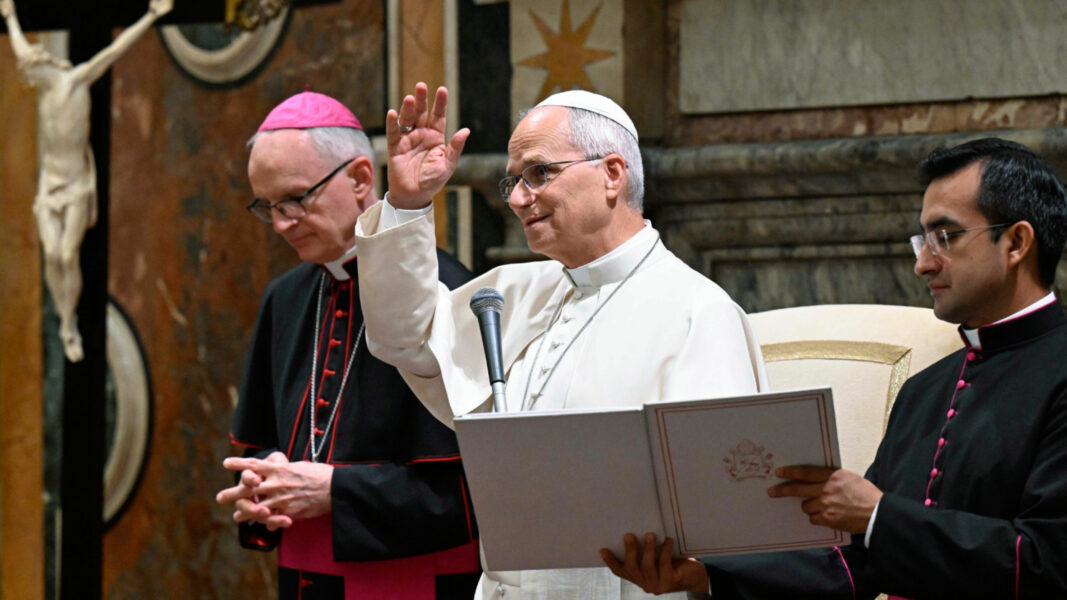
Pope Leo XIV has approved an amendment to the Personnel Regulations of the Roman Curia that introduces new procedures for the application of disciplinary sanctions and expands the defense guarantees for employees facing possible suspensions longer than 30 days or dismissals. The decision was communicated this Friday, October 30, through a rescript signed by Cardinal Pietro Parolin, Secretary of State of the Holy See.
According to the document published by the Vatican Press Office, the Pontiff approved the amendments during an audience granted to Parolin on October 19.
The changes affect three provisions of the Personnel Regulations of the Roman Curia: articles 62 § 3, 68 § 2, and 68 § 4, concerning disciplinary sanctions and the procedure to be followed for their application.
The reform establishes a distinction between suspensions of up to 30 days and more serious sanctions. It also extends the deadline for submitting allegations and expressly recognizes the possibility of engaging a lawyer in proceedings that may result in a prolonged suspension or dismissal.
Leo XIV amends the regulation he approved in November 2025
The new provisions introduce changes to the Personnel Regulations of the Roman Curia approved by Leo XIV on November 23, 2025, which came into force on January 1.
That regulation was initially promulgated for an experimental period of five years and governs the organizational, economic, and disciplinary conditions of staff serving in the Secretariat of State, the dicasteries, and other bodies of the Roman Curia, as well as in institutions linked to the Holy See.
The regulation covers both the obligations of employees and provisions relating to working hours, remuneration, leave, vacations, and disciplinary procedures.
The amendment announced this Friday focuses on the latter, with changes in the intervention of the Disciplinary Commission and the guarantees recognized for workers.
Suspensions of up to 30 days are excluded from the mandatory intervention of the Disciplinary Commission
The first amendment affects article 62 § 3, which regulates the intervention of the Disciplinary Commission of the Roman Curia in determining certain sanctions.
The new wording introduces an exception for suspensions of up to a maximum of 30 days, in accordance with article 64 § 2 of the regulation.
Thus, the intervention of the Disciplinary Commission ceases to be mandatory in those cases, while it remains provided for more serious sanctions.
The reform therefore establishes a difference in the procedure depending on the duration of the suspension that may be imposed on the employee.
Employees will have 15 days to defend themselves against possible dismissals
The second amendment affects article 68 § 2 and regulates the defense deadlines for employees subject to disciplinary proceedings.
The general rule maintains that the head of the relevant body must inform the person concerned of the breaches attributed to them and grant them a period of ten days to submit their allegations.
However, when the facts may give rise to a suspension longer than 30 days or to dismissal, the period is extended to 15 days.
The new text establishes:
“When the head of the body considers that the facts alleged may give rise to a suspension longer than 30 days or to dismissal, the person concerned shall be granted 15 days to submit their allegations.”
The provision also expressly recognizes the possibility of obtaining legal assistance during the procedure.
To this end, the employee may choose a lawyer from among the members of the Corps of Lawyers of the Holy See or the College of Lawyers of the Roman Curia.
This provision incorporates into the disciplinary procedure a specific guarantee for those who may face the most serious labor sanctions.
The Disciplinary Commission must intervene in cases of prolonged suspensions or dismissals
The third amendment affects article 68 § 4 and specifies the cases in which the file must be referred to the Disciplinary Commission of the Roman Curia.
The new wording establishes that, when the head of the body considers a suspension longer than 30 days or dismissal to be appropriate, they must forward the proceedings to said commission.
At the same time, they must inform the affected employee of the referral of the file and of the possibility of engaging a lawyer from the legal bodies provided for in the regulation.
The provision thus introduces an express obligation to inform the person concerned in proceedings that may conclude with the most serious sanctions.
The announced changes do not modify the grounds that may give rise to a disciplinary sanction, but rather the rules applicable to its processing.
The reform comes after labor complaints from Vatican employees
The amendment to the regulation comes a few weeks after Leo XIV received representatives of Vatican employees following their wage complaints.
During that audience, held on October 5, the Pontiff called for strengthening dialogue between workers and the institutions of the Holy See, while recalling the dignity of work and the importance of recognizing the value and competencies of each employee.
The meeting was preceded by complaints from the Association of Lay Employees of the Vatican (ADLV), which had requested compensation for the economic effects of wage containment measures applied during the pontificate of Francis.
The workers’ representatives had also called for greater participation in decisions affecting their working conditions.
On that occasion, Leo XIV did not announce specific economic measures, but insisted that dialogue should be the main path to finding solutions to labor problems.
The employees’ complaints focused primarily on wage and representation issues, while the reform announced this Friday specifically affects disciplinary procedures.
Entry into force of the new provisions
The rescript establishes that the amendments will enter into force upon their publication in L’Osservatore Romano and will subsequently be incorporated into the Acta Apostolicae Sedis, the official publication of the Holy See.
The document is dated October 19, 2026, and is signed by Cardinal Pietro Parolin, in his capacity as Secretary of State.
With this decision, Leo XIV introduces new adjustments to the labor regulation approved at the beginning of his pontificate, differentiating disciplinary procedures according to the severity of the sanctions and expanding the defense guarantees for employees who may face a prolonged suspension or dismissal.