


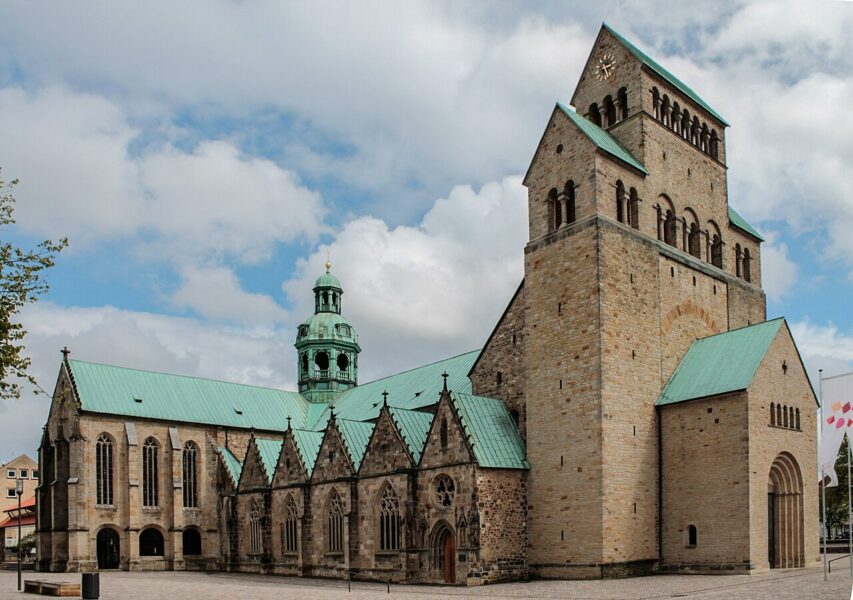
The German diocese of Hildesheim has launched a consultation process to gather the opinions of priests and faithful regarding the profile of its next bishop, following the vacancy of the episcopal see on June 21 after the transfer of Monsignor Heiner Wilmer to the diocese of Münster.
The initiative combines the advice of the Diocesan Pastoral Council, which also includes lay faithful, with a series of open meetings organized by the cathedral chapter, the body responsible for electing the new bishop.
On September 15, the eight canons of the chapter will hold meetings in eight locations across the diocese to explain to the faithful how the process will unfold until the appointment of the new pastor. Each meeting will begin with a liturgical celebration and continue with a space for dialogue between attendees and the members of the chapter.
The chapter will elect the new bishop
According to the German media outlet Katholisch.de, the election of the new bishop of Hildesheim is governed by the provisions of the 1929 Prussian Concordat, which continues to regulate the appointment of bishops in several German dioceses.
Under this procedure, the cathedral chapter will prepare an initial list of candidates, which will be sent to the Vatican through the apostolic nuncio. The Holy See may modify this proposal or add new names before preparing the final terna of three candidates.
It will then be the chapter itself that elects the new bishop from among those three names, with the final official appointment resting with Pope Leo XIV. Based on the experience of previous processes, the appointment could take approximately one year, during which time the see will remain vacant.
Germany applies a model now being studied by the Synod
The consultation promoted by the diocese of Hildesheim is not new in Germany. In recent years, other dioceses, such as Münster and Paderborn, have also incorporated mechanisms for the participation of the laity and consultative bodies in the preliminary phases of electing new bishops.
This model aligns with some of the proposals presented last May by one of the study groups of the Synod on Synodality. In the first part of its report on the figure of the bishop, the group proposed expanding prior consultations for episcopal appointments, involving not only presbyteral and pastoral councils, but also—when circumstances allow—representatives of the laity, religious, youth, and other sectors of ecclesial life.