


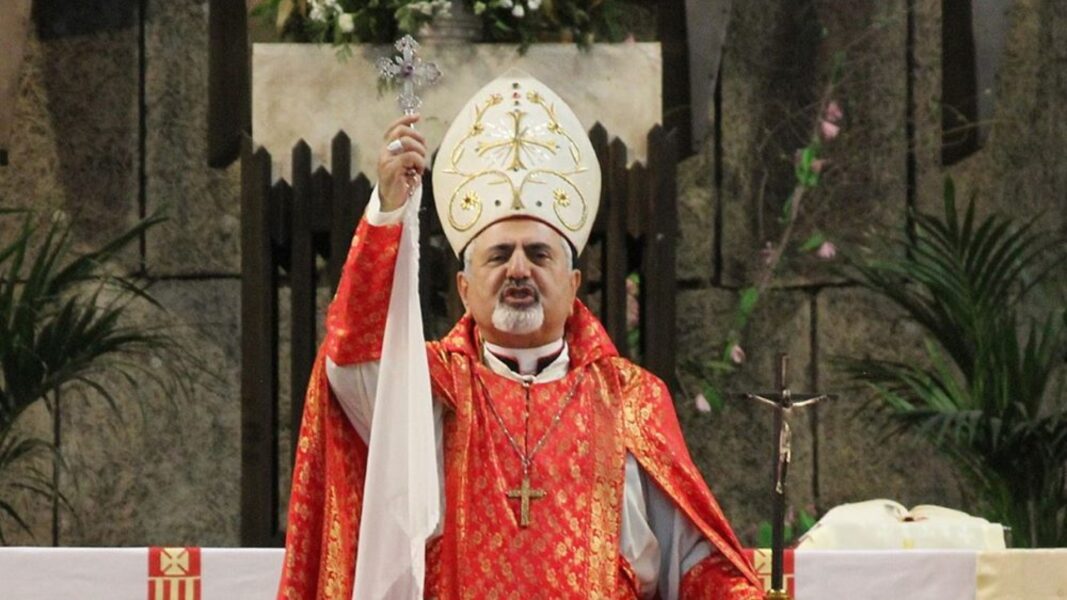
The Syriac Catholic Patriarchate of Antioch has rejected the accusations directed against Patriarch Ignatius Joseph III Younan, after a group of bishops activated the procedure provided for in the new legislation of Leo XIV to promote his removal. In a statement dated September 17 in Beirut, the Patriarchate denounces the spread of “statements, inventions, and lies” and expressly denies that Younan has gone the last three years without convening the Synod of Bishops.
The response introduces a new element in the internal crisis of the Syriac Catholic Church. The procedure against Younan was launched on September 4, just days after the promulgation of Mutua Concordia, the motu proprio with which Leo XIV established a mechanism to address a serious breakdown between a patriarch or major archbishop and the Synod of his Church.
Read also: First case of Mutua Concordia: Syriac bishops promote the removal of their patriarch
The Patriarchate denies that Younan went three years without convening the Synod
According to The Pillar, the discontent of several Syriac bishops has been ongoing for approximately three years and is mainly due to the lack of regular Synod meetings, despite requests made by members of the episcopate.
The Patriarchate now expressly rejects that version. “Regarding the claim that His Beatitude did not convene a Synod meeting during the last three years, this claim is totally without foundation,” the statement reads.
According to the official explanation, Younan had called a Synod for November 2024, but the meeting was postponed by mutual agreement with the bishops until July 2025 due to the war in Lebanon. The gathering was ultimately held in Rome.
The Patriarchate adds that on July 23, 2026, during a meeting of the Permanent Synod, the bishops agreed to convene an Ordinary General Synod for the second half of November.
Younan formally convened the Synod two days before the procedure
The timeline provided by the Patriarchate is relevant because it places the formal convocation before the start of the procedure against Younan.
According to the statement, on September 2 the patriarch sent a summons to the bishops to hold the Synod between November 17 and 20, 2026. The decision to hold the meeting, the Patriarchate further maintains, had been made during the Permanent Synod meeting on July 23, before the promulgation of Mutua Concordia.
Two days after the formal convocation, on September 4, the bishops in favor of promoting Younan’s removal activated the mechanism provided for in the new legislation, according to The Pillar.
The November convocation, however, was not made public until after the procedure against the patriarch became known. This circumstance had led to the interpretation that Younan finally decided to convene the Synod in response to the attempt to remove him.
The patriarchal statement aims precisely to refute that interpretation and maintains that both the decision and the formal convocation predated it.
The Patriarchate reserves the right to take legal action
The text uses particularly harsh terms to refer to the information circulated about the crisis. The Patriarchate maintains that data relating to Younan and the patriarchal see must be obtained from its official channels and rejects the “statements, inventions, and lies” which, it claims, “mislead public opinion and distort the facts.”
The statement does not identify the individuals or media outlets to which it attributes this information.
The patriarchal see states that for the time being it will refrain from responding individually to the accusations, but reserves the right to contest them and to take legal action against those who disseminate them.
The first case under Leo XIV’s reform
Younan, 81, has governed the Syriac Catholic Church since 2009. The dispute has become the first known case in which the procedure established by Mutua Concordia has been activated.
The reform allows action when the communion between a patriarch and the bishops of his Church has suffered damage considered irreparable. The procedure must be convened by the bishop with the greatest episcopal seniority among those supporting the removal, while the patriarch has the right to present his defense.
For any eventual removal to succeed, a two-thirds favorable vote of the members of the Synod with voting rights is required, followed by the consent of the Roman Pontiff.
According to The Pillar, the bishops who promoted the procedure against Younan plan to meet between the end of September and the beginning of October. The Synod convened by the patriarch himself, by contrast, is scheduled for November 17–20.
The publication of the statement does not end the procedure initiated against Younan, but publicly establishes the Patriarchate’s version of one of the main points of the dispute: contrary to the accusations that the patriarch had gone years without convening the Synod, the patriarchal see maintains that previous convocations existed and that the next meeting had been agreed upon and formally convened before the procedure for his possible removal began.