


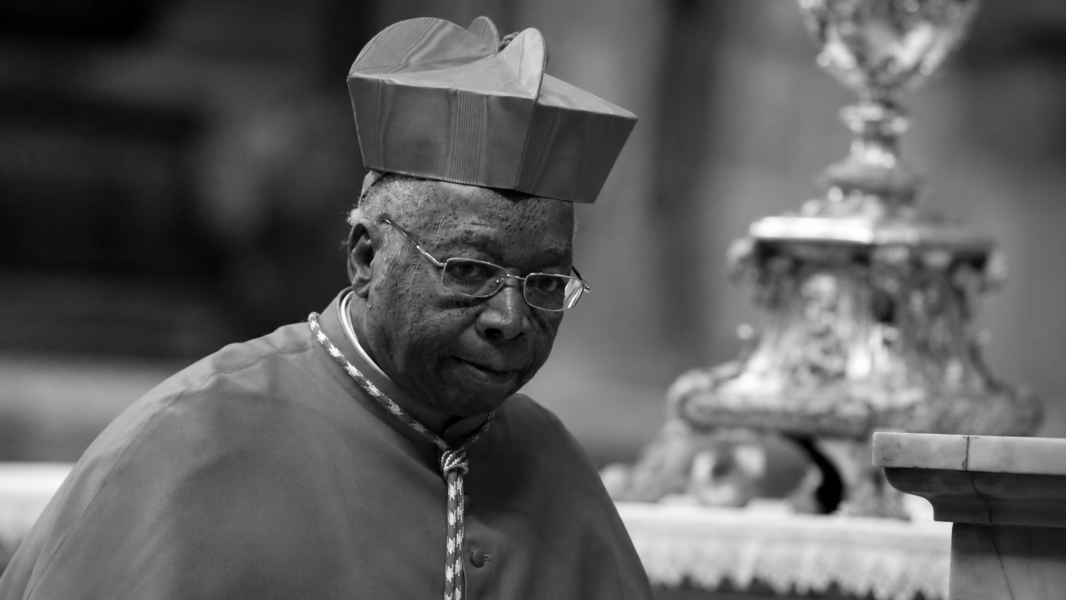
Cardinal Júlio Duarte Langa, bishop emeritus of Xai-Xai (Mozambique), passed away on August 3 at the age of 98 at the Central Hospital of Maputo, according to Vatican News. The cardinal was the second in the history of the Church in Mozambique and dedicated a large part of his episcopal ministry to accompanying the population during the civil war that marked the country and in situations of epidemics and natural disasters.
With his passing, the College of Cardinals now consists of 240 cardinals, of whom 116 are electors and 124 are non-electors.
An episcopate marked by civil war
Born on October 27, 1927, in Mangunze, Júlio Duarte Langa completed his ecclesiastical studies at the seminaries of Magude and Namaacha, then belonging to the archdiocese of Lourenço Marques, now Maputo. He was ordained a priest on June 9, 1957, and began his ministry as a parochial vicar and later as a parish priest in the mission of Malaisse. He later held responsibilities as a diocesan consultor, member of the presbyteral council, and vicar general.
On May 31, 1976, Pope Paul VI appointed him bishop of João Belo, a diocese that on October 1 of the same year was renamed Xai-Xai. He received episcopal ordination on October 24, 1976, and remained at the head of that particular Church for 28 years, until his retirement in June 2004.
His episcopal ministry coincided with one of the most difficult periods in Mozambique’s recent history, marked by civil war and its social consequences. During those years, he promoted the pastoral life of the diocese and paid special attention to communities affected by the conflict, as well as by epidemics and natural disasters.
Cardinal since 2015
Pope Francis created him a cardinal in the consistory of February 14, 2015, assigning him the title of San Gabriele dell’Addolorata. His appointment made him the second cardinal in Mozambique’s history.
In addition to his pastoral work, Duarte Langa stood out for his knowledge of local languages. He participated in the edition of the translation of the texts of the Second Vatican Council into the main languages of Mozambique, contributing to their dissemination among the country’s Catholic communities.