


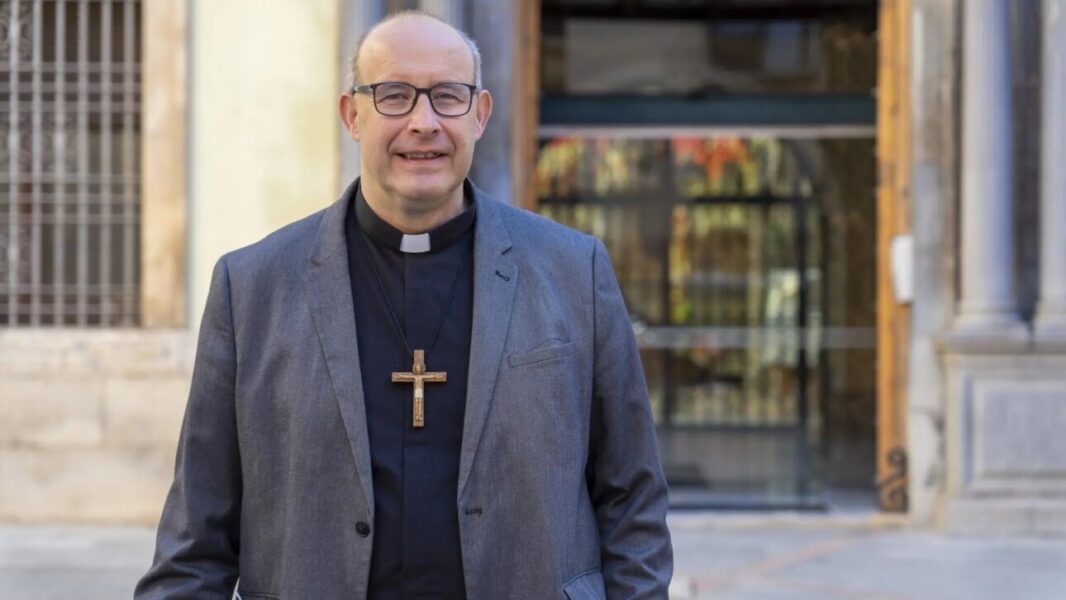
The Diocese of Málaga recorded a decline in the four sacraments tracked in its annual report for 2025. According to the data in that document, presented on November 5 by Bishop José Antonio Satué at a press conference, there were 3,844 baptisms, 5,386 confirmations, 3,623 first communions, and 817 marriages, all figures lower than those of the previous year.
Confirmations, the sacrament that declines the most
A comparison with the 2024 report shows the extent of the drop. That year, the diocese recorded around 5,000 baptisms and a similar number of first communions, about 8,500 confirmations, and around a thousand marriages. Confirmations are, therefore, the sacrament that has declined the most, with a drop of nearly one-third, while weddings fell below 900 and baptisms and first communions each lost more than a thousand celebrations.
The presentation of the report highlighted other data. The diocese noted that nearly 14,000 baptisms, confirmations, first communions, and marriages were celebrated in total, and that it served 49,126 people in 211 centers in Málaga and Melilla. The report also includes 297 priests, 591 religious brothers and sisters, 143 cloistered nuns, 22 permanent deacons, and 4,500 catechists, spread across 250 parishes and 17 monasteries.
Schools, heritage, and finances
The report also includes the diocesan educational network, consisting of 28 diocesan schools and 36 canonically owned centers, which serve around 37,000 students and employ nearly 8,400 people. On the financial side, the main expenditure was the maintenance of buildings and operations, with nearly 17 million euros spent, within a total management of almost 32 million.
Speaking about the churches, Satué recalled that they are “the places where the people of Málaga baptize their children, get married, and bid farewell to their elders,” a statement that contrasts with the sacramental celebration figures contained in the report itself.
A bishop very active in ecclesial forums
The prelate has had a prominent presence in various ecclesial gatherings in recent weeks. InfoVaticana reported that he asked the brotherhoods in Cádiz to joyfully welcome the “gay couple” and divorced people who have remarried, and that he addressed a message to the “LGTBIQ+ Christians” gathered in Chipiona, telling them that “you have much to contribute to the Church.” Both interventions took place during the same period in which the report of a diocese whose sacramental numbers are declining was being finalized.