


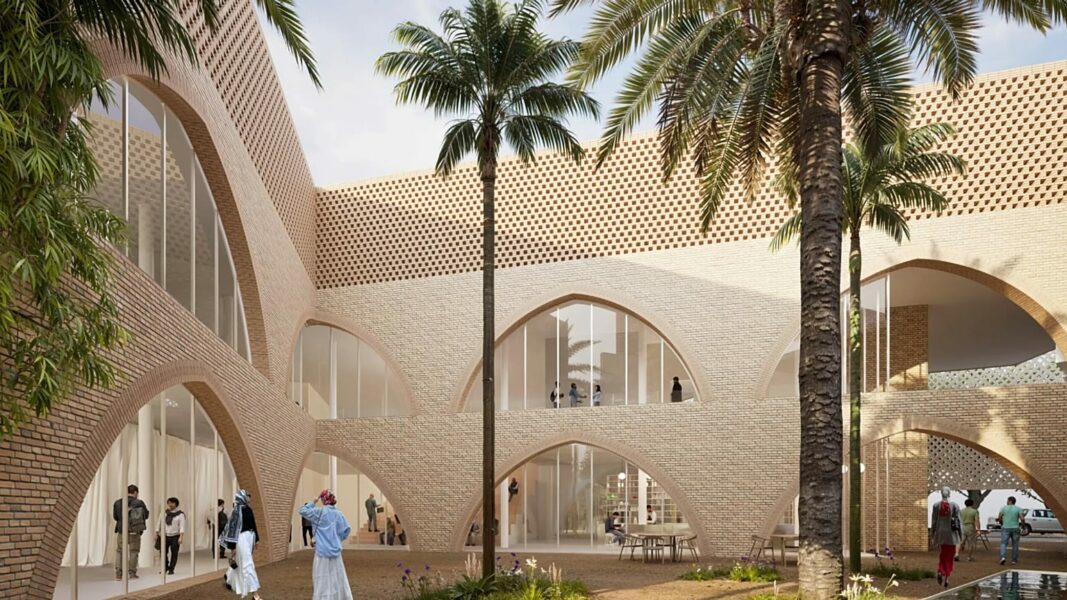
The granting of the building permit for the construction of the future mosque and Islamic cultural center in Seville’s Polígono Sur district continues to generate reactions. While Vox maintains its appeal against the municipal authorization and part of the neighborhood continues to show its rejection of the project, experts in Ecclesiastical Law consider that the file meets the legal requirements and that any eventual revocation would have little legal scope.
According to ABC Sevilla, María del Mar Leal, professor of Ecclesiastical Law of the State at the University of Seville, maintains that the City Council verified during the processing the compliance with urban planning regulations, the classification and use of the land, as well as accessibility and safety requirements before granting the permit.
The jurist points out that these checks differentiate the file from the failed Los Bermejales project, which was annulled at the time by the Superior Court of Justice of Andalusia after problems related to urban classification were identified. In her opinion, if the permit complies with the requirements established by the regulations, the main obstacle to the development of the project would not be legal, but the social and political pressure generated around the future mosque.
Vox maintains its objections
The party maintains the appeal filed against the permit, considering that the urban planning regime applied does not correspond to the intended use of the building. During the processing of the file, Vox argued that the main use of the property would be as a place of worship and not as a cultural center, an argument that prompted the City Council to request new technical and legal reports before finally granting the authorization.
Against that interpretation, Leal considers that the project contemplates both a religious use and community facilities use, so she understands that the permit complies with urban planning.
The Archdiocese maintains the same position
On the ecclesiastical level, there have been no new developments regarding the position expressed by the Archdiocese of Seville during the processing of the project.
Last July, the Archbishop of Seville, Monsignor José Ángel Saiz Meneses, avoided commenting on the advisability of building the mosque and framed the issue within the right to religious freedom. In his statements, he recalled Article 16 of the Spanish Constitution and the conciliar declaration Dignitatis humanae, emphasizing that the exercise of that right must be carried out in accordance with current legislation.
Along the same lines, the diocesan delegate for Ecumenism and Interreligious Dialogue, Miguel Ángel Núñez, now states that “from a Catholic point of view, there is no possible religious objection” and also refers to the declaration Nostra aetate, dedicated to the Church’s relations with non-Christian religions.
A debate that moves to the social sphere
With the permit already granted, the debate surrounding the future mosque has moved beyond the administrative phase and continues mainly in the political and neighborhood spheres.
The project, promoted by the Seville Mosque Foundation, plans the construction of an Islamic complex next to Polígono Sur that will include a place of worship, a cultural center, and various spaces for community use. If carried out, it would become the first large newly built mosque in Seville after more than two decades of projects that never materialized.