


The document Making Memory. Accompanying the Preparation of the Local Church Evaluation Assembly, published this Monday by the General Secretariat of the Synod, does not merely offer instructions for organizing the diocesan assemblies scheduled for 2027. Its purpose is to help each local Church discern the extent to which the synodal path is transforming its life and mission.
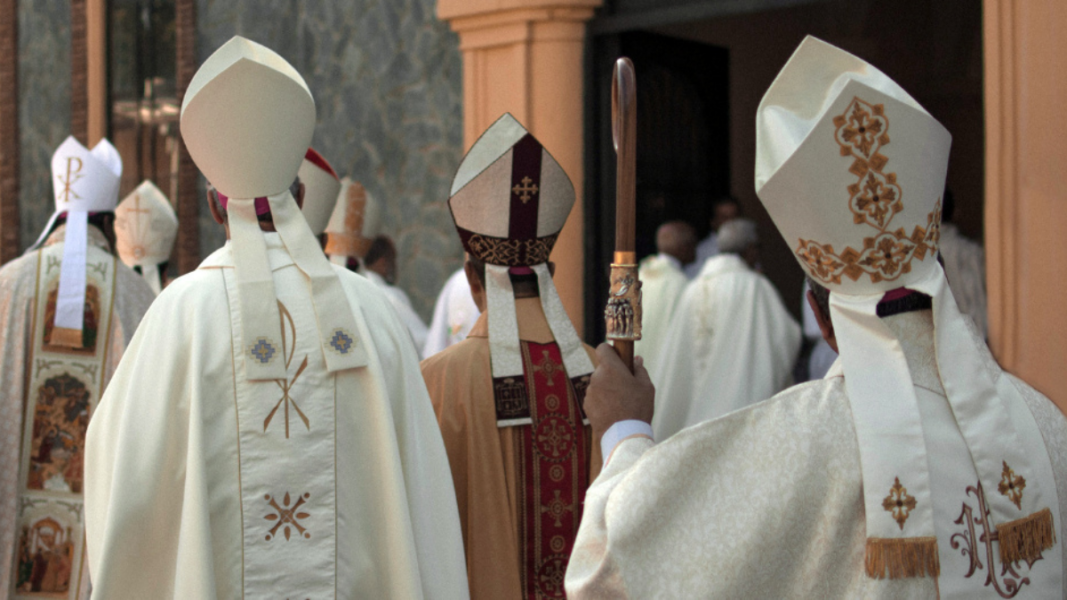
The guidelines are addressed to the bishops and synodal teams, who are called to jointly lead this discernment process in each local Church.
Starting from a central question, the document develops a series of discernment axes that can be summarized in six major issues.
1. What concrete face of a missionary synodal Church and what new paths of synodality are emerging in our community?
This is the question that structures the entire document. It is not about producing a record of activities or an administrative report, but about recognizing what concrete fruits the synodal path has yielded and what changes it is bringing about in the life of the Church.
The text explains that the goal is “to make memory of the journey undertaken and to become aware of its fruits,” recognizing “how the Lord has accompanied His path and to what steps He calls it.” It also recalls that the evaluation assemblies are “a moment of verification of a process that is progressively shaping the face of each local Church.”
2. How have our relationships within the Church changed?
The first major area of discernment is the conversion of relationships. Rome invites an evaluation of how “the ways of listening, collaborating, valuing charisms and ministries, and living fraternity and co-responsibility” are changing.
The document insists that this examination must include “special attention” to those who usually have less presence in ecclesial processes: young people, seminarians, consecrated persons in formation, as well as those living in situations of poverty, vulnerability, or marginalization.
3. Has the way the community discerns and makes decisions changed?
The second major question corresponds to the conversion of ecclesial processes. The document addressed to the bishops proposes analyzing “how the ways in which the community discerns, makes decisions, exercises responsibilities, and practices a culture of transparency, accountability, and evaluation are changing.”
Among the concrete aspects that will need to be reviewed are the functioning of participatory bodies, community discernment processes, formation for synodality, the valuation of ministries and charisms, and the access of the lay faithful to responsibilities that do not require the sacrament of Holy Orders.
This discernment, the text indicates, must be carried out through “conversation in the Spirit,” presented as the proper method both for preparing the narrative and for the development of the Evaluation Assembly.
4. Are the Church’s bonds with the world being expanded?
The third axis of discernment is the conversion of bonds. It involves checking “how the horizons of communion” with other local Churches, other Christian denominations, believers of other religions, and with society are being expanded.
The General Secretariat of the Synod also proposes reviewing the Church’s commitment to peace, justice, care for creation, culture, education, and human promotion, as well as the style of ecumenical and interreligious relations. The document even contemplates the possibility of inviting representatives of other Churches and Christian communities or other religious denominations as observers during the evaluation process.
5. Have co-responsibility and the participation of the entire People of God grown?
Another aspect that Rome asks to examine is whether the synodal process has fostered greater co-responsibility in the life of the Church. Among the concrete areas of evaluation are the missionary renewal of parishes and communities, the formation of the faithful, the appreciation of ministries and charisms, and the strengthening of truly participatory structures.
6. Is the Church today more capable of proclaiming the Gospel?
Finally, the document warns that discernment cannot focus solely on the internal life of the community, but must always maintain a missionary perspective.
For this reason, it explicitly raises the following question: “How has the experience of implementing the Synod contributed, and how can it contribute, to making the Church more capable of proclaiming the Gospel in the concrete situations of human and social life?”.
These six questions summarize the main axes of discernment that the General Secretariat of the Synod proposes to bishops and synodal teams to prepare the 2027 evaluation assemblies. The document does not present them as a list, but develops these questions through the three great “conversions”—of relationships, of processes, and of bonds—and through various concrete areas of evaluation, with the purpose of verifying whether the synodal path is bearing fruit and whether it is “progressively shaping the face of each local Church, its relationships, and its style.”