


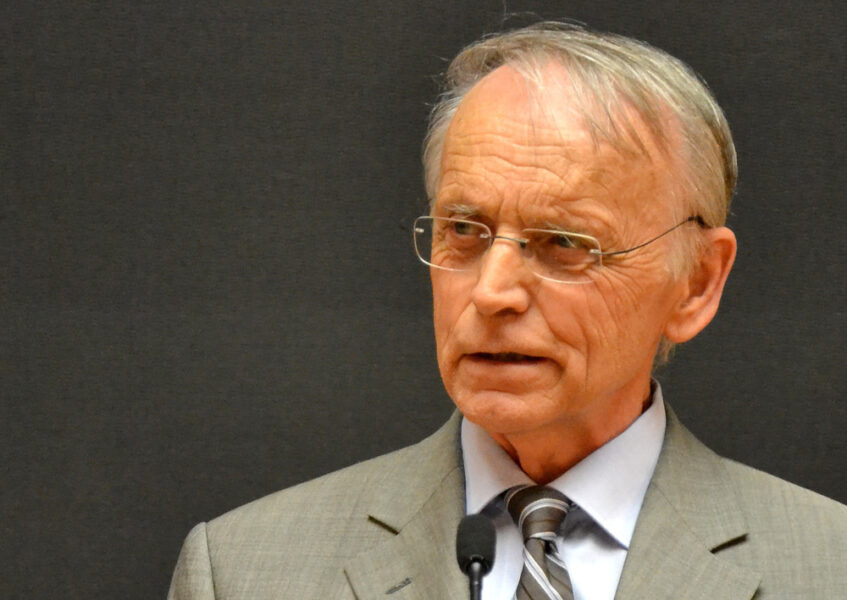
The Austrian pastoral theologian Paul M. Zulehner has criticized the Vatican’s recent confirmation that the homily during Mass is reserved to bishops, priests, and deacons, and has considered the consultation carried out by the German Bishops’ Conference with the Holy See to have been a mistake. In an interview given to the magazine Kirche In, the professor maintains that the German bishops should have allowed the practice to continue in the parishes without requesting a ruling from Rome.
“They should not have asked”
Zulehner stated that the German Bishops’ Conference was “perhaps too optimistic” in raising the consultation with the Vatican about the possibility of laypeople preaching during the Eucharistic celebration.
In his view, the bishops “would have done better simply to trust in the development of the communities and not ask anything.” The theologian added that he does not know of “any other episcopal conference having submitted such an outdated consultation” and advised the bishops of Austria not to promote a similar initiative.
The statements come after the Dicastery for Divine Worship and the Discipline of the Sacraments reminded the German bishops that the homily during Mass is part of the liturgy and, according to Church law, is reserved exclusively to ordained ministers.
Compares the situation with that of altar girls
The theologian considered that Rome’s decision will not prevent a different practice from continuing to develop in some communities.
As an example, he recalled the incorporation of women into altar service. “They were also forbidden, but in most places they continued to serve at the altar. Today hardly anyone is scandalized because there are women as altar servers,” he stated.
In his opinion, “some things simply evolve” and the attempts of Vatican bodies to direct those processes currently have limited effectiveness.
Criticism of priests’ preaching
During the interview, Zulehner also maintained that the quality of many homilies is poor. Citing a recent study by the University of Vienna, he asserted that preaching can become a “measure of dishabituation from attending worship.”
“I confess that more than once I have had to resort to autogenic training to survive a homily,” he commented.
He also rejected the idea that preaching is effective solely because the person delivering it has received priestly ordination. He likewise pointed out that, in some cases, there are communication difficulties when the priests’ mother tongue is not German.