


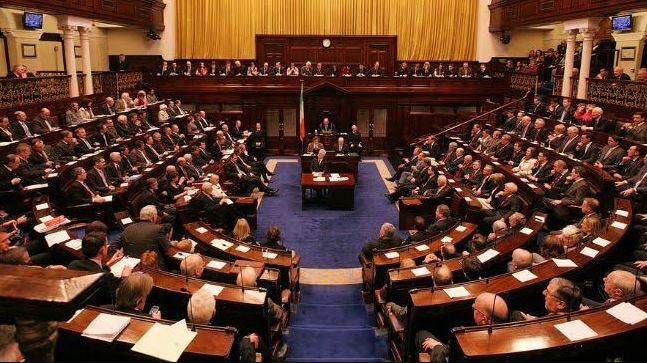
The Irish Parliament approved on Wednesday the removal of the mandatory three-day reflection period before an abortion, a measure that, according to official figures, allowed more than 10,000 women not to complete the abortion process since 2019. Pro-life groups denounce that one of the last legal safeguards for the protection of the unborn in the country is disappearing.
The reform, approved by 86 votes to 70, eliminates the obligation to wait three days between the first medical consultation and the performance of the abortion during the first twelve weeks of pregnancy. Although it will still have to pass further parliamentary procedures, the vote represents a new step in the liberalization of Irish abortion legislation.
More than 10,000 women withdrew from abortion
Official data show that between 2019 and 2024 around 10,400 women did not return for the second medical consultation necessary to complete the abortion.
Although some of these cases correspond to miscarriages or hospital referrals, pro-life advocates maintain that thousands of women reconsidered their decision thanks to the reflection period provided by law.
Precisely this figure has been one of the main arguments put forward by those opposing the reform. For them, the mandatory period offered space for reflection before an irreversible decision and helped save human lives.
A historic record of abortions
During the parliamentary debate, Peadar Tóibín, leader of the pro-life party Aontú, denounced the continuous increase in the number of abortions since legalization was pushed through following the 2018 referendum.
He recalled that last year 10,852 abortions were recorded, the highest figure since Ireland opened the door to this practice.
“It equates to 400 classrooms of children who are no longer with us as a consequence of that abortion law. It is absolutely heartbreaking,” the deputy stated.
Tóibín also stressed that in 2018 there were 2,879 abortions and that, since then, the number has tripled in just seven years.
“There is no effort on the part of the political establishment to understand why this increase has occurred or to alleviate this terrible human cost,” he lamented.
From Catholic stronghold to the liberalization of abortion
The vote symbolizes a new chapter in the profound cultural and religious transformation experienced by Ireland in recent decades.
The country that for generations was considered one of the main bastions of Catholicism in Europe approved in 2018 the repeal of the Eighth Amendment to the Constitution, which protected the right to life of the unborn. The referendum passed with 66.4% of the votes against 33.6% who defended maintaining constitutional protection.
Since then, abortion legislation has been progressively expanded, while the number of abortions recorded each year has continued to grow.
Criticism for eliminating the promised guarantees
The reform has also generated criticism among some politicians who supported the legalization of abortion but considered it necessary to maintain certain limitations.
Robert Troy, Minister of State for the Fianna Fáil party, recalled that many citizens voted in favor of repealing the Eighth Amendment under the promise that certain guarantees and protection mechanisms would continue to exist, including the mandatory reflection period.
“It does politics no favor to backtrack shortly afterward and try to change the rules,” he declared.
For his part, Tóibín stated that many citizens who supported the 2018 referendum also do not now agree with the elimination of this measure.
The legislative battle continues
Although the initiative has passed a key vote in Parliament, it will still have to complete the remaining legislative stages before becoming law.
The removal of the reflection period means the disappearance of a measure that allowed many women to reconsider an irreversible decision. Official figures show that more than 10,000 pregnancies did not end in abortion during those years, a figure that proves the impact of this protection.