


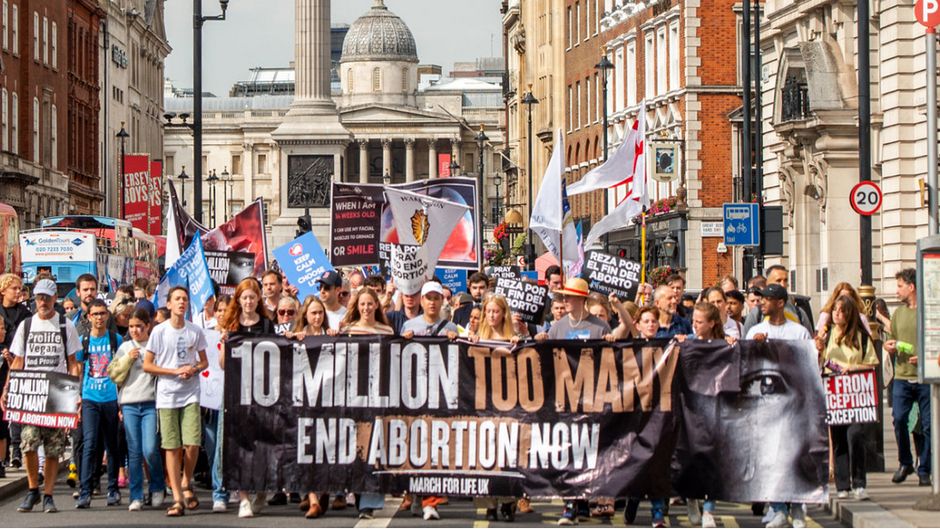
The next March for Life UK will feature the participation of fourteen Catholic bishops, a figure that doubles the episcopal attendance of previous years and represents one of the largest public endorsements by the British Catholic hierarchy of this event since its creation in 2012.
According to data released by March for Life UK, the march will take place on September 5 in London and will bring together the faithful, pro-life associations, and representatives of various Christian denominations to defend human life from conception and denounce the advance of the culture of abortion in the United Kingdom.
Among the participants will be, for the first time, the Archbishop of Westminster, Richard Moth, who will also preside over the opening Mass of the day. The Archbishops Bernard Longley, of Birmingham, and John Wilson, of Southwark, have also confirmed their attendance, along with eleven other bishops from England, Scotland, and Wales.
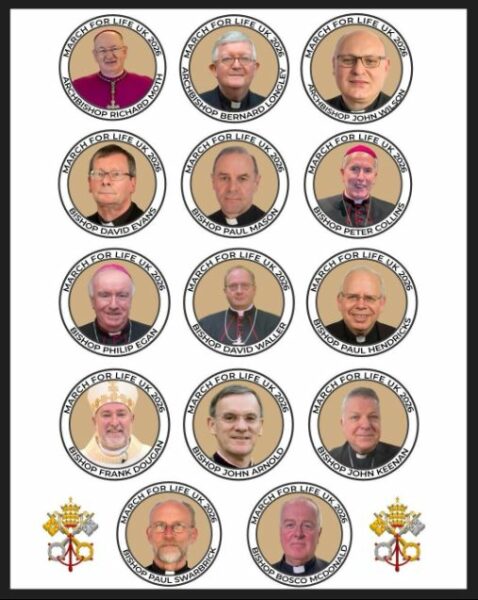
A mobilization following several setbacks for the pro-life cause
According to National Catholic Register, the presence of such a high number of bishops comes after an especially difficult year for the British pro-life movement.
Among the most controversial measures is the approval by Parliament of initiatives that, in practice, eliminate criminal penalties for abortion at any stage of pregnancy in England and Wales. This is compounded by the so-called buffer zones, in effect since 2024, which prohibit even silent prayer near abortion clinics, as well as the consolidation of the chemical abortion-by-mail system, through which women can receive abortifacient medication after a remote consultation.
The director of March for Life UK, Isabel Vaughan-Spruce, believes that the bishops’ response reflects the gravity of the current moment. “Now is the time to plant the flag,” she stated when explaining the growing support of the bishops for the event.
An episcopal presence seeking to give public witness
The organizers emphasize that few initiatives receive such broad support from the British Catholic hierarchy. In their view, the presence of the bishops demonstrates the importance the Church places on the defense of human life.
Following the recent liberalization of abortion legislation, the Archbishop of Southwark, John Wilson, described the situation as “a truly tragic moment for our nation” and denounced that the new regulations leave unborn children without effective protection.
Various participating bishops have also warned about the risks of further expanding access to abortion and have insisted on the need to offer real support to women facing difficult pregnancies, while continuing to defend the dignity of all human life from conception until natural death.
Between legislative defeats and pro-life advances
The event also comes at a time of contrasts for the British pro-life movement. While Parliament has moved toward an unprecedented liberalization of abortion, in recent months several initiatives aimed at introducing euthanasia or assisted suicide have encountered significant political obstacles.
Both Scotland and Wales rejected proposals to incorporate these practices into their healthcare systems, while various legislative projects in Westminster have seen their progress halted. These outcomes have been welcomed by pro-life organizations as signs that significant social and political resistance to the culture of death still exists.
More young people and greater public presence
This year’s edition will also include new initiatives aimed at young people and families. Among them is a specific gathering for participants aged 18 to 35, as well as activities adapted for children.
The march will begin with a pro-life festival and conclude in front of the British Parliament after passing through central London.
Vaughan-Spruce noted that in recent years not only has participation increased, but also the presence of young people, religious leaders, and individuals without religious affiliation who share concerns about the growing number of abortions. Official figures show that more than 251,000 abortions were recorded in England and Wales in 2022, the highest number since the passage of the Abortion Act of 1967.
A call for Christian unity
The organizers have called on Catholics to accompany their bishops at this event and have also encouraged members of other Christian denominations to participate.
The march will be held under the slogan “Abortion wounds the family” and aims to offer public witness to the dignity of all human life, in a political and cultural context in which issues related to abortion, euthanasia, and freedom of expression have become some of the main fronts of debate in the United Kingdom.