


«By the sweat of your brow.»
According to the biblical account in Genesis, work is one of the consequences of original sin, a true curse that will weigh upon humanity throughout history. From this perspective, human happiness consists in contemplation, in sacred leisure.
History records, over the centuries, how in various civilizations work was demanded as a punishment, imposed by the victors, in wars, upon the vanquished. In short, work is a punishment.
With the Incarnation of the Eternal Son of God—the second Person of the Most Holy Trinity—the perspective is reversed. When Jesus was born, there existed civilizations built upon work, as the realization of ants that devoted all their effort to labor, as the purpose of their existence. The curse of Genesis was fulfilled, and in that exercise happiness was to be found.
Jesus, the Son of God made man, was born in the artisan household of Saint Joseph, and He Himself was regarded as a worker, a craftsman. «Is not this the son of the carpenter?» (Mt 13:55), the people wondered, amazed by the miracles of Jesus. At this point, a clarification is in order: carpentry at that time was not limited to work on wood, but also included iron and other materials necessary for the tools of the field.
Work has been redeemed by the Incarnation; therefore, from the very beginning of Christianity it holds a privileged place in the Church: it is normal for a Christian to support himself and his family through work. Hence the expression of Saint Paul, in his First Letter to the Corinthians and in his Second Letter to the Thessalonians: «If anyone is unwilling to work, let him not eat» (2 Thess 3:10).
In the Social Doctrine of the Church, work occupies a central place, and its entire concern is that it should not be lacking, and that it should be respected and justly remunerated. Historically, even in monasteries, where men gathered to live in contemplation and adoration of God, this foretaste of eternal life was sustained through work. Work, humanly conceived, must not prevent legitimate leisure and the cultivation of intellectual life.
In today’s Argentina, the destruction of the State is mirrored by the undermining of businesses, and this is the cause of unemployment. The fantasy of libertarian neoliberalism, now in power, disregards the reality of the family, in which both men and women work. The man, most of the time, in various occupations, and the woman at home; but single women and widows experience the rigor of work even in factories, workshops, and other settings. In a well-ordered society, leisure and work have a complementary value. «The sweat of the brow» and intellectual effort constitute the whole of human occupation in the world.
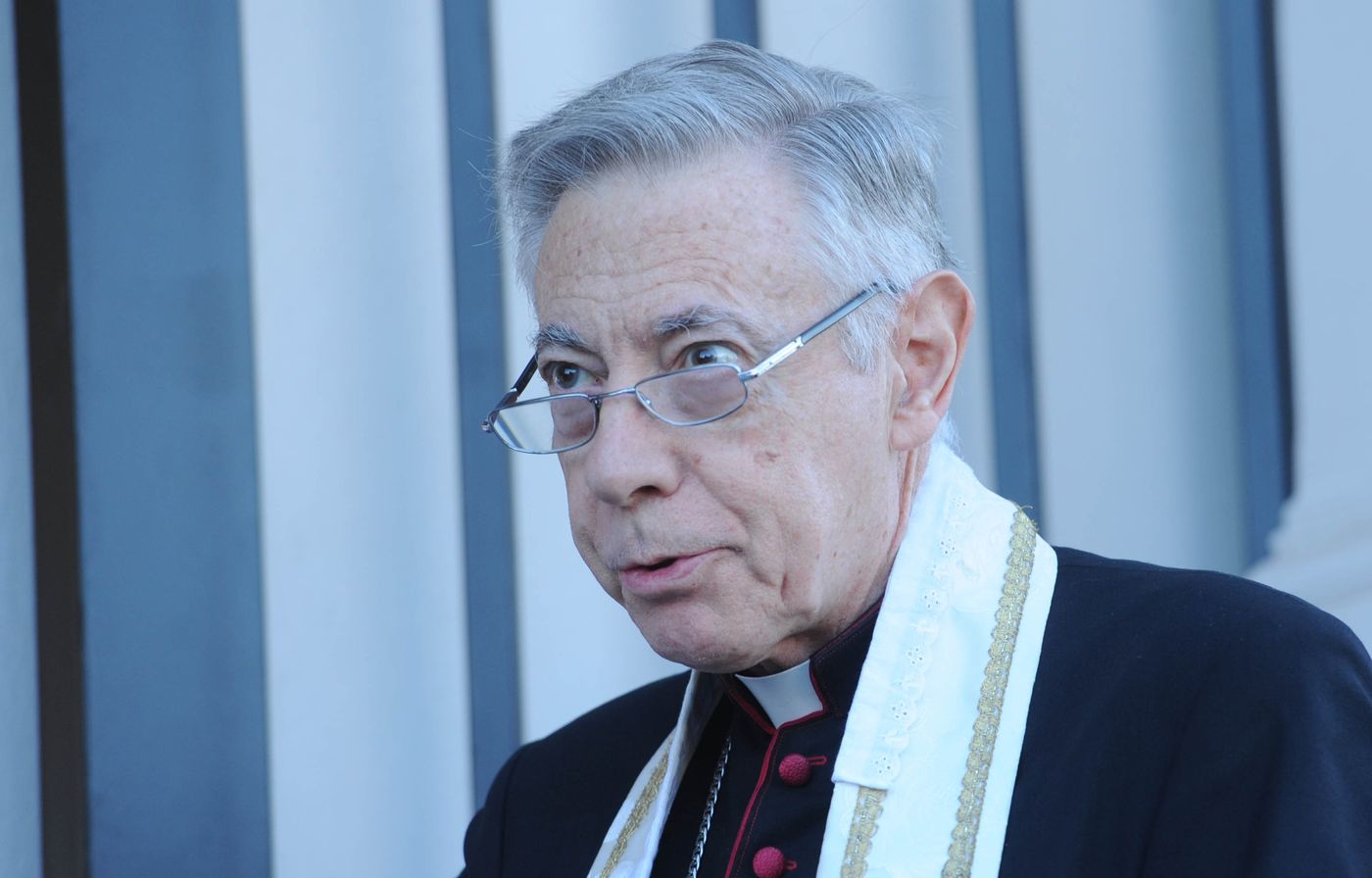
+ Héctor Aguer.
Archbishop Emeritus of La Plata.
Buenos Aires, Tuesday, June 9, 2026.
Saint Ephrem, deacon and doctor of the Church. –
——————-