


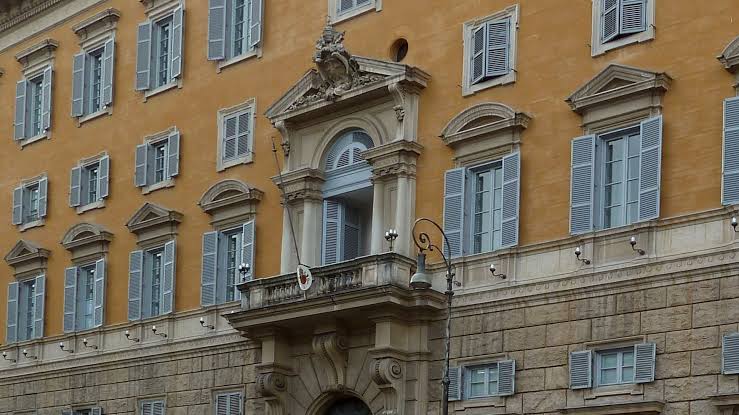
Pope Leo XIV has appointed this Monday, October 19, 24 members of the International Theological Commission, the body responsible for collaborating with the Holy See in the study of doctrinal questions. Among those selected are Spanish priest Ángel Cordovilla, dean of the faculties of Theology and Canon Law at the Pontifical University of Comillas, and several academics linked to ecclesial debates on marriage, family, and synodality.
The list published by the Holy See Press Office brings together theologians from Europe, America, Africa, and Asia, coming from Catholic universities, pontifical institutions, and doctrinal reflection bodies. The Commission carries out its activity in relation to the Dicastery for the Doctrine of the Faith, presided over by Cardinal Víctor Manuel Fernández.
A professor from the John Paul II Institute and a critic of the German Synodal Way
Among the new members is Claudia Leal Luna, professor at the Pontifical Theological Institute John Paul II for the Sciences of Marriage and Family in Rome, who recently participated as an expert in the meeting held at the Vatican for the tenth anniversary of Amoris laetitia.
Her appointment comes after a decade of significant changes at the institute founded by Saint John Paul II in 1982. During the pontificate of Francis, the institution was reorganized through a reform initiated in 2017 and developed in 2019, which modified its academic structure and study programs. The changes sparked controversies due to the displacement of professors and the new orientation of teaching on marriage and family.
Jan-Heiner Tück has also been appointed, professor of Dogmatics and History of Dogmas at the University of Vienna, known for his interventions in the debate on the German Synodal Way.
Tück has questioned some of the reform proposals that emerged in Germany and has warned about the risks of establishing governance structures that could compromise the authority of bishops. In his analyses, he has defended the participation of the faithful in the life of the Church, but has insisted that this must respect the sacramental and hierarchical constitution of the Church.
Ángel Cordovilla, first non-Jesuit dean of Comillas in 120 years
Among those selected by Leo XIV is also Spanish priest Ángel Cordovilla Pérez, a native of Salamanca and doctor in Dogmatic Theology from the Pontifical Gregorian University of Rome.
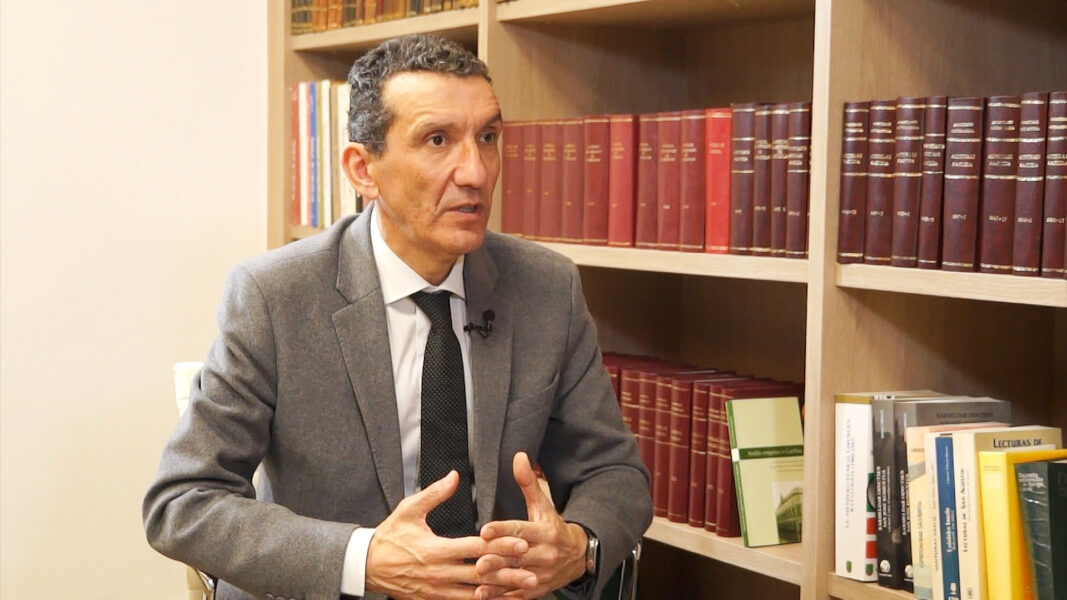
Cordovilla has been a professor at the Pontifical University of Comillas since 2003, where he has developed his academic work especially in the fields of dogmatic theology, Christian salvation, and contemporary theological thought, with particular attention to the work of Karl Rahner.
In March 2025, he took office as dean of the faculties of Theology and Canon Law, becoming the first non-Jesuit priest to assume this responsibility in the 120-year history of the faculties.
On that occasion, Cordovilla defended a theology capable of responding to current challenges and highlighted the importance of synodal and contextual theological reflection.
His appointment adds to that of other academics of recognized prestige, such as French Jesuit Michel Fédou, professor emeritus at the Loyola Faculties of Paris and Ratzinger Prize 2022; Paul Béré, Jesuit and dean of the Biblical Faculty of the Pontifical Biblical Institute; and Khaled Emmanuel Anatolios, specialist in patristics and Trinitarian theology at the University of Notre Dame, in the United States.
The list also includes Mexican Julián Arturo López Amozurrutia, dean of the Faculty of Theology at the Pontifical University of Mexico; Argentine Fabricio Leonel Forcat, professor at the Pontifical Catholic University of Argentina; and Brazilian Tiago de Fraga Gomes, from the Pontifical Catholic University of Rio Grande do Sul.
The International Theological Commission and its relationship with the Doctrine of the Faith
Created by Paul VI in 1969, the International Theological Commission has the mission of studying theological questions of special importance and collaborating with the Dicastery for the Doctrine of the Faith.
Its members are appointed by the Pontiff for five-year periods, at the proposal of the prefect of the dicastery. According to the statutes approved by Saint John Paul II in 1982, they must be distinguished by their theological knowledge, prudence, and fidelity to the Magisterium of the Church.
The body has an advisory character. Its studies and documents contribute to the doctrinal reflection of the Holy See, but do not in themselves constitute acts of the Magisterium.
Among the issues addressed by the Commission in recent years are synodality, Christian anthropology, and the relationship between faith and society. In 2026, it published a document on the challenges of artificial intelligence and transhumanism and, subsequently, another dedicated to the care of creation.
With the appointments announced this Monday, Leo XIV incorporates into the Commission specialists from different theological disciplines and ecclesial backgrounds for the new work period of the body.