


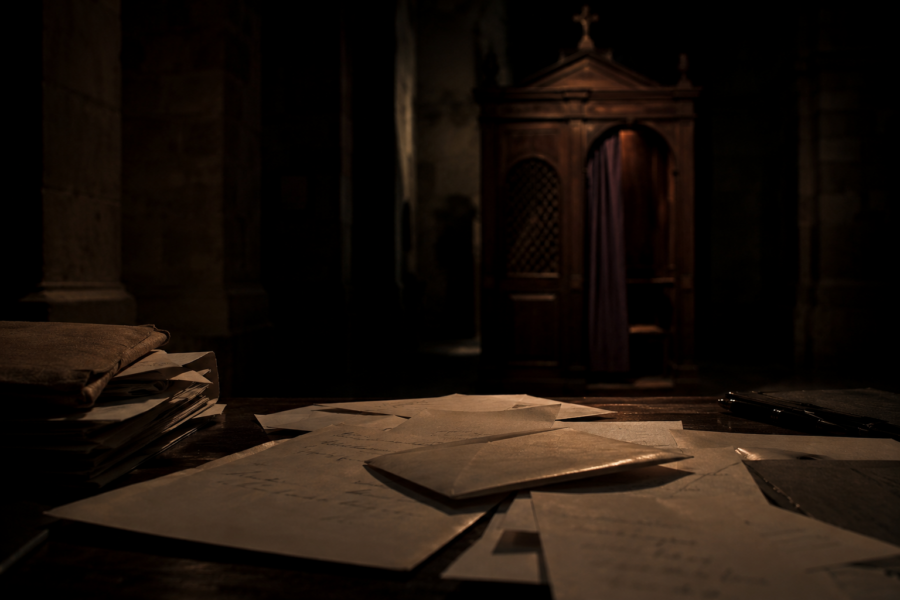
This editorial receives each week emails like the ones you will not read today. Signed with pseudonyms, written from accounts created for the occasion, with explicit fear of reprisals. They recount the double lives of specific clerics, with names, parishes, and approximate dates, and almost never with a single piece of evidence. We do not publish them. This newspaper does not print rumors, however plausible they may sound. But the very flow is a fact, and that fact is news.
What this flow reveals is not the truth of each case, which we do not know, but something prior: the faithful have stopped using the Church’s channels. They write to a newspaper because they have concluded that the chancery is the place where complaints go to die. Almost all the emails contain a phrase equivalent to this: the proceedings, if any, were carried out in secret. That conditional sums it all up. Not even the best-informed complainant knows whether their complaint ever existed for the institution that was supposed to process it.
Canonical discretion had a purpose: to protect the reputation of the innocent while the truth is ascertained. Turned into a permanent system of management, it produces the opposite. When nothing is ever clarified, everything becomes plausible. The exemplary priest bears the suspicion that the one who is covered up does not. The entire cassock falls under a presumption of guilt, and that presumption has not been manufactured by the hostile press but by the ecclesiastical administration of silence.
The most disturbing thing about these emails is not what they denounce but the tone. No one expects anything anymore. They write as one who leaves a record, not as one who seeks justice. They take for granted that the accused will be transferred, that the file will not exist or will not be known, that the bishop of the moment will manage appearances. A flock that assumes the double life of part of its clergy as a fact of the landscape has not become tolerant. It has become skeptical, which is the antechamber of indifference. And indifference empties the temples faster than any scandal.
What is scandalous is the inconsistency: that of the one who preaches what he does not live and that of the one who, being obliged to oversee, covers up. The faithful can be asked to forgive the sinner; they have been doing so for two thousand years and do so with themselves every night. What cannot be asked of them is to finance and obey a system designed so that nothing is ever known. Veritas liberabit vos, the Gospel teaches. The chanceries practice another maxim: that the truth, if it comes, should come late, in secret, and without consequences. In the official bulletins, that is called prudence.