


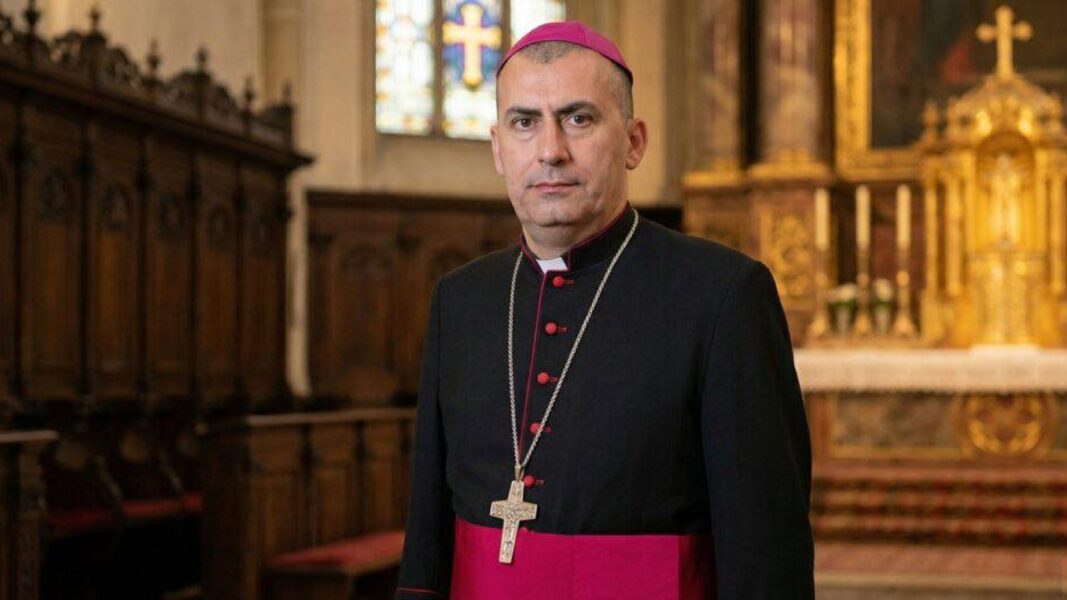
The Chaldean Church patriarch, Mar Pablo III Nona, held a series of meetings this week with Iraq’s top authorities, including President Nizar Amedi and Prime Minister Ali Falih al-Zaidi, who both reaffirmed the importance of the Christian presence in Iraqi society and pledged to protect the country’s religious and cultural diversity.
The meetings come just days after the Iraqi government announced a package of measures aimed at encouraging the return of Christians who left the country in recent decades.
President highlights religious diversity
During Monday’s audience, President Nizar Amedi told the patriarch that cultural and religious diversity is an essential element for Iraq and that protecting it is necessary to preserve social cohesion.
Both the head of state and the prime minister agreed on the need to promote peaceful coexistence and a culture of dialogue as tools to strengthen national unity and stability.
That same day, Mar Pablo III Nona was also received by the Speaker of the Iraqi Parliament, Hibet Al-Halbousy.
Support for the return of Christians continues
In his meeting with the prime minister, Ali Falih al-Zaidi reiterated his government’s commitment to the return of Iraqi Christians who emigrated—an initiative already announced days earlier and again described as a national priority.
Among the measures proposed by the executive are the inclusion of returning families in state housing and land-allocation programs, as well as calls for Christian entrepreneurs and investors living abroad to take part in reconstruction projects, especially in the health and education sectors.
Doubts remain about implementation
According to Kathpress, Iraqi political representatives and Christian leaders welcomed the authorities’ statements but noted that the success of these initiatives will depend on their effective implementation.
A larger-scale return of Christians will require security guarantees, the strengthening of the rule of law, equal rights for all citizens, and effective protection of religious freedom—factors considered essential to restoring the confidence of those who left during years of war, terrorism, and persecution.