


The General Secretariat of the Synod published two new reports from the study groups of the Synod Assembly on Synodality this Tuesday. The documents—for now only available in English and Italian—address issues related to the figure of the bishop and the criteria for addressing so-called emerging doctrinal, pastoral, and ethical issues.
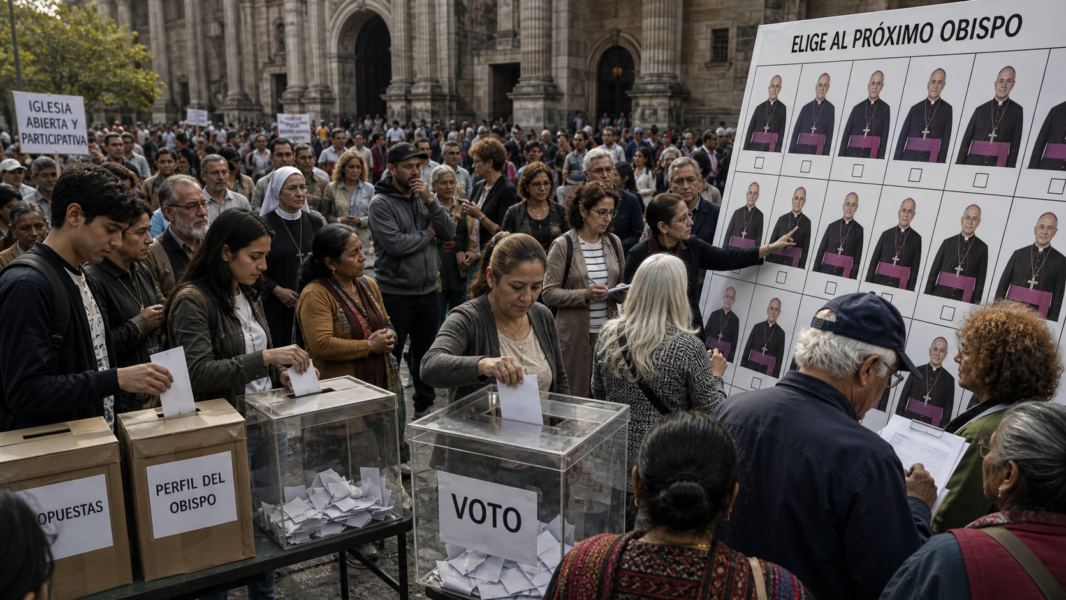
The first part of the report from Study Group No. 7 proposes reviewing the procedures for selecting candidates for the episcopate through a more participatory model, with an expansion of consultations within dioceses and greater involvement of various sectors of ecclesial life.
An “authentically ecclesial” process
The report maintains that the election of bishops should be understood as “an authentically ecclesial process,” guided by the Holy Spirit and characterized “in each of its phases by an attitude of prayer, listening, and discernment.”
To this end, the Study Group proposes that each local Church periodically promote discernment processes on “its state and its needs.” The text suggests that, when an episcopal succession approaches, the bishop convene the Presbyteral Council and the Diocesan Pastoral Council to prepare a report on the situation of the diocese and propose names of priests considered suitable for the episcopate.
Each member of these bodies could also submit “in a sealed envelope” names of possible candidates and suggestions on the profile of the future bishop.
The document adds that, “when circumstances permit,” the cathedral chapter, the Council for Economic Affairs, representatives of the laity, religious, youth, and the poor could also participate in the consultations.
The report calls for bishops with “synodal competencies”
Among the qualities that the text considers necessary for future bishops are “moral integrity,” “doctrinal orthodoxy,” pastoral sensitivity, and governing capacity.
In addition, it emphasizes the need to have “synodal competencies,” understood as the ability to build communion, exercise dialogue, and manage synodality in the local Church. The report adds that the bishop must show “openness to complexity,” “a propensity for innovation,” and “the ability to adapt to new situations.”
The text quotes words spoken by Leo XIV during the 2025 Jubilee of Bishops, in which he stated that it is the bishop’s responsibility “to ensure that the particular Church is built in communion among all its members and with the universal Church, valuing the contribution of diverse gifts and ministries.”
Broader consultations in the nunciatures
The report also dedicates a section to the work of the apostolic nunciatures in the episcopal selection processes. The text proposes that nuncios consult not only clergy but also religious, laity, youth, and other representatives of ecclesial life.
Among the profiles mentioned are representatives of universities and ecclesiastical faculties, members of ecclesial movements, people with “special charisms,” the poor, marginalized, indigenous communities, and ethnic or linguistic minorities.
Furthermore, the document notes that “it is also possible to listen to people who represent civil society and the world of culture, as well as people who do not profess belief or who have abandoned ecclesial practice.”
Periodic evaluations and review of procedures
The Study Group also proposes reviewing the procedures of the Roman Curia’s dicasteries involved in episcopal appointments so that the method of “ecclesial discernment” more clearly marks their ordinary functioning.
The report also suggests mechanisms for periodic evaluation of the bishop selection processes and the possible creation of an “independent ecclesiastical commission” that would oversee these procedures and also evaluate the work of the competent Vatican bodies.
The reflection will remain open
Study Group No. 7 specifies that this first part of the report is limited to the procedures for selecting candidates for the episcopate. The reflection will now continue on other aspects of the bishop’s ministry, including his judicial function, the nature and development of ad limina apostolorum visits, and episcopal formation.