


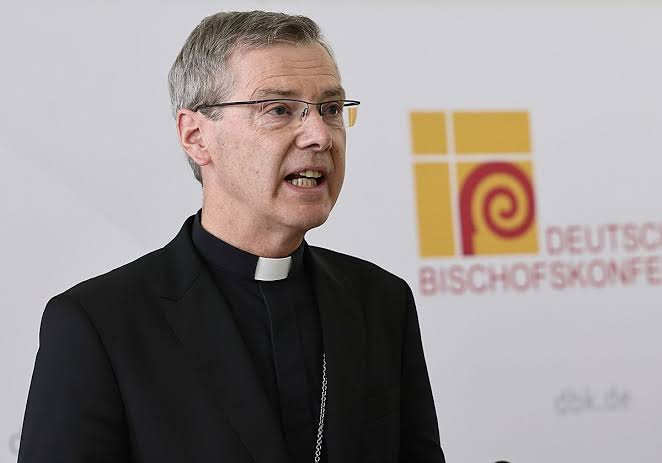
According to the German Bishops’ Conference (DBK), the new framework document for priestly formation —Ratio Nationalis Institutionis Sacerdotalis— was approved on March 11 by the Dicastery for the Clergy and replaces the text in force since 2003.
The new regulation is inspired by the Ratio Fundamentalis approved in 2016 by Pope Francis and has been developed over several years by a working group of the German bishops’ conference itself.
A training model with a “synodal” and community focus
The document defines priestly formation as an “integral, permanent, community, and missionary” process, in line with the current ecclesial approach promoted from Rome.
Among the main novelties, according to the bishops themselves, a more decentralized model is introduced, which combines seminary life with stays in parishes, as well as the joint training of future priests with other pastoral agents.
In addition, the need to develop what is called a “dialogical existence” is emphasized, placing emphasis not only on academic formation but also on the personal maturation of the candidate.
Greater prominence for psychology and women
One of the highlighted aspects of the new framework is the reinforcement of the role of psychology in the training process, as well as the incorporation of “competent” women at different levels of responsibility within priestly formation.
The document also includes contributions from various groups consulted during its preparation, including formators, theology professors, seminarians, and representatives of abuse victims.
Priestly formation, key to the “Church of the future”
Bishop Michael Gerber, responsible for the commission on vocations and ecclesial services, has defended that this new model responds to the current challenges of the Church.
As he explained, the goal is to train priests capable of facing the difficulties of the contemporary context and working in collaboration with the entire people of God.
Gerber emphasized that formation should not focus solely on specific skills, but on the development of personality and the ability to integrate new experiences throughout life.
The document underscores the need to relativize one’s own judgment, insisting on an open attitude and constant review:
“Study must foster a self-relativization of one’s own way of thinking and judging”
In continuity with the synodal path
The new regulation aligns with the conclusions of the synodal works at the universal level, which insist on greater integration of the priest within the life of the people of God and the promotion of a more participatory ecclesial culture.
From the bishops’ conference, they consider that the formation of future priests will be decisive in shaping this model of Church in the coming years.