


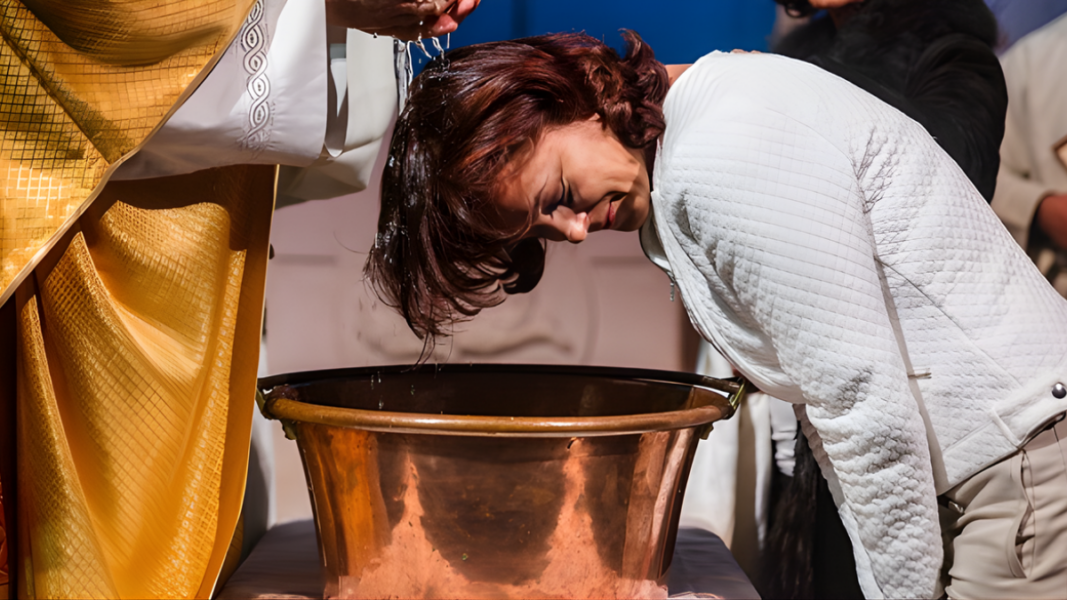
A report published by Stilum Curiae reveals a reality that is little visible but increasingly widespread in Europe: numerous Muslims who embrace Christianity in the West—including Italy—live their faith in secret for fear of family, social, or even legal reprisals, depending on the country they come from.
Although they reside in democratic societies, many converts experience pressures that seriously condition their daily lives. They hide their baptism, avoid churches near their homes, and in some cases, pretend to have no faith. Their situation highlights a problem barely addressed in public debate and very little recognized by institutions.
Converting to Christianity in Europe… and continuing to live as if it were dangerous
The report explains that the conversion process does not usually develop normally. Even in countries like Italy, where religious freedom is guaranteed, converts fear the reaction of family members and compatriots. Social pressure continues to play a determining role, to the point that many adopt a simple strategy: publicly saying they are atheists.
Difficulties multiply if they must travel to their country of origin. In some Muslim states, apostasy—that is, abandoning Islam—is penalized by law or provokes informal reprisals from individuals or groups. Returning to visit family can become a risky experience, with the added fear that administrative procedures or arbitrary decisions hinder the return to Europe.
A growing phenomenon and a challenge for the Church and society
According to the reflection of Stilum Curiae, the situation has not changed substantially in recent years. The number of converts continues to grow, often silently, while many Catholic communities in the West experience a decline in their religious practice.
The report suggests that these new conversions could play a relevant role in the future of European Christianity, both against Islamic fundamentalism and against militant secularism. But for that, it warns, it is necessary for these people to find real pastoral support and adequate protection measures.