


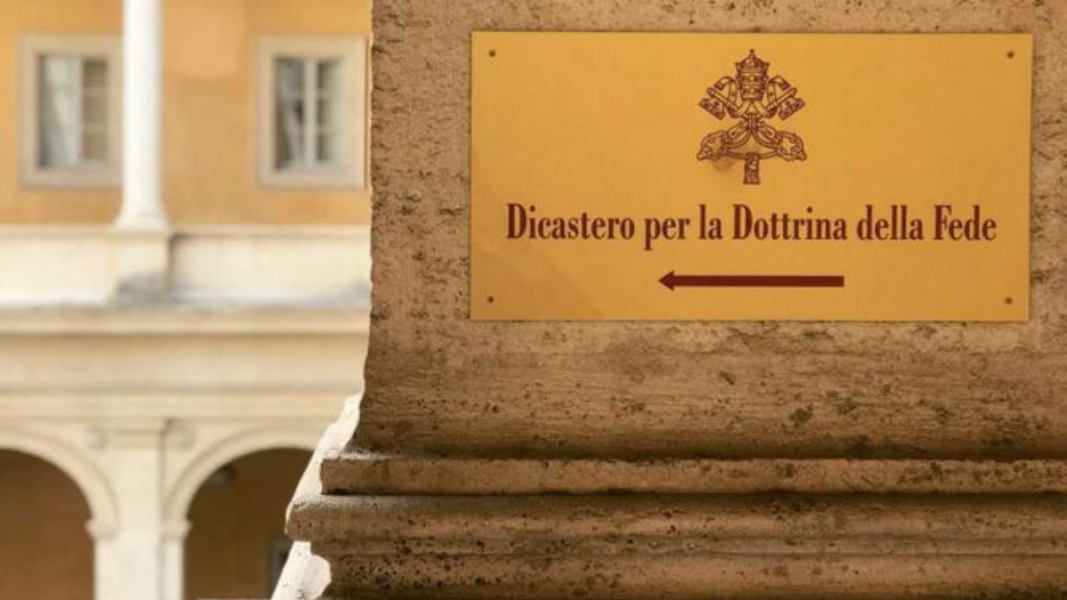
The Dicastery for the Doctrine of the Faith (DDF) has opened a canonical investigation into the Bishop of Cádiz and Ceuta, Rafael Zornoza Boy, for alleged abuses that occurred in the 1990s, when he was a priest in Getafe. The complaint, filed this summer, describes serious events, and although the matter would be statute-barred in civil jurisdiction, the canonical route is in preliminary investigation, the first of its kind made public in Spain regarding an active bishop.
The Chiclayo precedent: “pro nunc” dismissal after civil statute of limitations
The inevitable contrast arises with the controversial “Lute case” in the Peruvian diocese of Chiclayo, widely covered by El País to defend that everything was done perfectly and that the pointed irregularities are a conspiracy. The priest Eleuterio Vásquez González was barely «investigated» at the diocesan level, and the file was elevated to Rome linked exclusively to the civil developments of the case. In February 2023, Peruvian justice dismissed the criminal case due to statute of limitations; and on August 10, 2023, the DDF issued a “pro nunc dismissal” decree. According to those involved in the process, that canonical dismissal was directly linked to the civil dismissal due to the passage of time, and that is how the ecclesiastical officials expressed it.
Editorial inconsistency: silence in Chiclayo and outcry in Cádiz
Here emerges the media paradox. El País, which covered the Lute case without addressing the victims’ rectification and overlooking the questionable and unprecedented decision validated by Bishop Prevost to dismiss due to civil statute of limitations in the canonical realm, today features Cádiz on the front page —a case that happened more than twice as long ago— without mentioning the atypical Chiclayo precedent. Things in life: in some cases, the civil statute of limitations served to close; now a more distant case in time is highlighted, while the precedent of a case involving the current Pope and the issue of canonical non-statute of limitations is omitted.
The key question for Rome
If in Chiclayo the DDF accompanied (at least externally) the civil sentence of statute of limitations with a canonical dismissal, will it act the same in Cádiz after the preliminary investigation? The autonomy of canon law allows judging beyond the civil calendar; however, the Peruvian precedent involving the Pope and about which no one dares to speak tensions the consistency of the criterion.
At this point, it is impossible not to point out the journalistic inconsistency of El País, which in treating the Lute case not only omits the information about the scandalous and illegal Vatican dismissal due to civil statute of limitations, but also ignored the victims’ right to rectification in that same sense, to generate the false appearance that everything was done well and the blame was on a conspiring lawyer. That same media outlet that now places on the front page a case of alleged abuses from thirty years ago, remains silent on a more recent file in which the Doctrine of the Faith closed the process due to the civil statute of limitations of fifteen years. Journalism that proclaims itself the guarantor of truth cannot exercise a variable geometry morality, amplifying what inconveniences some and silencing what could compromise others.
Perhaps the problem is not just about deadlines, but about friendships. Maybe “Father Lute” had better allies in the Roman sewer than Bishop Zornoza. It would be interesting if the latter asked Charles Scicluna and his friends how exactly that statute of limitations from August 10, 2023 was applied in Chiclayo, when the Doctrine of the Faith decided to dismiss a very serious case solely because civil justice declared it statute-barred. Perhaps in the Curia, time does not run the same for everyone.
At Infovaticana, our position is clear: investigate everyone, without exceptions, without silences or privileges. We do not ask for favors or premature convictions, only the full truth. If there are crimes, let them be judged; if there are innocents, let their names be cleared. But let no case be dismissed for convenience or political expediency. The Church is not defended by hiding its wounds, but by healing them with light and justice. Investigate them all, without fear and without agenda.