


Por: Una católica (ex) perpleja
En el libro-entrevista realizado por Diane Montagna, el obispo Athanasius Schneider considera que estamos inmersos en uno de los cuatro momentos más turbulentos de la historia de la Iglesia, junto con el arrianismo, los papas-príncipes y el cisma de Occidente.
Estamos asistiendo, me parece, a la creación silenciosa pero sistemática de una nueva iglesia, a una sustitución de sus contenidos e incluso de los sacramentos por elementos modernistas y protestantizantes, del todo ajenos a la tradición de la Iglesia.
Veamos algunos «casos aislados» que, al conectarlos entre ellos, ofrecen una imagen clara de este proceso de sustitución y creación de una nueva iglesia por parte de hombres que ya no tienen la fe de la Iglesia. Que triunfen o no está en manos de Dios.
Leamos tres noticias y pongámoslas en relación:
El pasado 27 de enero, InfoVaticana publicaba un artículo titulado “A por el sacramento de la confesión en la catedral de la Almudena”. En él se explicaba lo que parece ser un proyecto del cardenal Cobo, nada menos que en la catedral, anunciado en la revista de la diócesis, Alfa y Omega, “en relación con el sacramento de la reconciliación, que será el de ofrecer “puntos de escucha en el templo con el objetivo de coger y sanar las heridas”.
La trampa es que, en realidad, nada tiene que ver el proyecto con el sacramento de la confesión, sino que más bien busca en realidad sustituirlo; puesto que el proyecto, según la comunidad de Lanceros que firma el artículo, “se trata de colocar a unas señoras, que eso es lo importante, que sean señoras, para que con un cafelito reciban a quienes quieran venir a contar su vida en una consulta de psicólogo”.
¿Es original del pequeño cardenal de Madrid esta iniciativa? No. De hecho, viene inspirada por las altas instancias eclesiásticas, una incómoda herencia del nefasto pontificado de Francisco que veremos cómo gestiona el papa León; nada menos que por la reunión sobre el reunirse, el sínodo de la sinodalidad. Precisamente, en el portal Vatican News podía leerse el pasado mes de octubre (2024) que “el Sínodo reflexiona sobre la mujer y la escucha a los excluidos. El papa Francisco participó en la II Congregación General de la segunda sesión de la asamblea sinodal, en la que se desarrollaron intervenciones libres sobre temas como los ministerios, la liturgia, el diálogo con las culturas y las religiones”.
Mucho que comentar de tan pocas líneas. Estos pocos elementos mencionados son clave en la fabricación de una nueva iglesia. Nueva en su contenido, no sólo separada de la tradición bimilenaria de la Iglesia, sino opuesta a ella. Los ministerios, por ejemplo, que sustituyen a las órdenes y permiten asignarlos a laicos, y el diálogo con las culturas y las religiones: relativismo e indiferentismo religioso que contradice la mismísima Palabra de Dios: “yo soy el camino, la verdad y la vida. Nadie va al Padre si no es por mí” (Jn 14, 6).
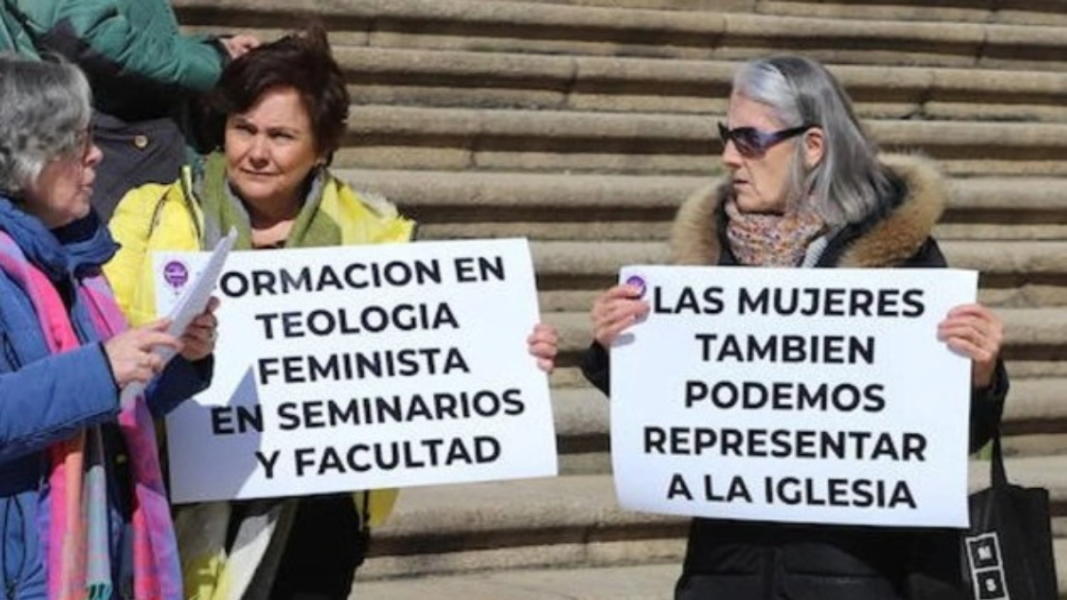
En relación a las mujeres, el artículo de Vatican News prosigue narrando las distintas intervenciones de esta sesión del sínodo, destacando “el papel de la mujer, la presencia de los laicos, la escucha “activa” de las personas que no se conforman a los dictados de la Iglesia”. Presenciamos, anunciado en positivo, la demolición de la tradición de la Iglesia y la fabricación de su opuesto, una versión no sólo mundana, sino masónica (ergo, del Maligno). Fijémonos en que, en el fondo, todo va encaminado a la aniquilación del sacerdocio ordenado, que es fundamental en la Iglesia Católica puesto que los sacerdotes son los únicos que pueden administrar los Sacramentos y celebrar el santo sacrificio de la Misa. Sin sacerdotes, no hay Misa; y sin Misa, no hay Iglesia Católica. Pues hacia aquí parecen encaminarse todas estas medidas surgidas desde la cúspide de la Iglesia, que los obispos, convertidos en meros delegados del papa en cada diócesis, reproducen con mayor o menor celo y fidelidad. Solamente aquí en Cataluña hemos visto recientemente en las diócesis de Gerona, Tarragona y Urgel a los respectivos obispos declarar no estar preocupados por la disminución del clero y la falta de vocaciones, al existir un laicado activo y comprometido. Se están creando en todas las diócesis, y no sólo en Cataluña, equipos de laicos, especialmente señoras, que puedan celebrar liturgias de la Palabra y dar la comunión a los fieles los domingos. La clave, como veremos, es la sustitución, en dos pasos (Pablo VI y Francisco I) de la admisión a órdenes por los ministerios.
Hace casi un año, en octubre de 2024, en el sínodo, como relata el texto de Vatican News, se trató sobre “los carismas de las mujeres y los laicos”. En el caso de las mujeres – no entiendo por qué no entran en la categoría de “laicos”, si lo son -, se determinó que, en el caso de las órdenes sagradas femeninas, “se pidió «profundizar en el estudio de ciertos ministerios, como el “ministerio de la consolación” y no perder de vista la aportación de las mujeres en el pasado y en el presente”.
Vemos que se centran no solamente en mujeres laicas, sino también consagradas, y, sobre todo, el neologismo “ministerio de la consolación”. ¿Quién son esta gente? Nada de esto suena católico. Nuestro sensus fidei nos lo dice en las entrañas.
En su concatenación de despropósitos, continúa el artículo explicando que “los miembros del Sínodo reclamaron con insistencia una «igual dignidad y corresponsabilidad de todos los bautizados para la Iglesia». Sobre esta base se puede razonar la «inclusión de las mujeres, los laicos y los jóvenes en los procesos de toma de decisiones de la vida de la Iglesia». Y siempre sobre la relación hombre-mujer, algunos grupos instan a «identificar los miedos y temores que hay detrás de ciertas posturas, porque estos miedos en la Iglesia han llevado a actitudes de ignorancia y desprecio hacia las mujeres». Por tanto, «identificar para sanar para discernir»”. Este lenguaje no es eclesial. Es mundano. Es la introducción del pensamiento feminista, que desprecia a la mujer, en la Iglesia. Y la insistencia en el concepto de la escucha, tan querido al papa Francisco, que sustituye a la enseñanza de la Iglesia, como si el Catolicismo, que custodia la Verdad revelada por Dios, hubiera de situarse en posición de igualdad con pensamientos errados y aprender algo de ellos. Desde esta errónea perspectiva, se habló en el sínodo de “desarrollar una espiritualidad sinodal de escucha activa, de cercanía, de apoyo sin prejuicios, incluso a los que son diferentes, a los que no nos hacen sentir cómodos”. Es la expresión diáfana de lo que Benedicto XVI definió como la dictadura del relativismo, adoptada por la jerarquía eclesial actual como propia.
Llegados a este punto, si observamos la situación doméstica, de la Iglesia en España, podemos establecer una secuencia en los acontecimientos no sólo entre estas propuestas sinodales y el proyecto del cardenal Cobo para su diócesis de Madrid, sino también, para sorpresa de nadie cuando se trata de iniciativas modernistas, de las monjas benedictinas de Montserrat, que pertenecen a la diócesis de Sant Feliu, gobernada por el infame obispo Xabier Gómez.
Porque las benedictinas – no sabemos si por iniciativa propia o en diálogo con su obispo -, han creado un servicio de escucha ¡gratuito! Admiremos la generosidad de las hermanas. ¿Cobró alguna vez un sacerdote por escuchar una confesión o una monja en su locutorio por escuchar los problemas de las personas que acudían a ella? No. Pero el problema no está en la “novedad” de que no cobren, sino de igualar ambas prácticas: el sacramento de la confesión y el servicio de escucha por parte de las monjas, con el objetivo de que el segundo sustituya al primero. Por eso Francisco fue persistente en abroncar a los sacerdotes que, según él, convierten el confesionario en una sala de tortura (¿les ha pasado alguna vez? A mí, no), metiendo miedo a los fieles a dirigirse a un sacerdote a confesarse mientras, al mismo tiempo, se promueve que estas adorables y heterodoxas viejitas des-habitadas se sienten a la escucha de nuestros problemas.
La pequeña diferencia entre una y otra práctica es que, mientras el sacerdote es Cristo que nos escucha, nos perdona y nos absuelve, las monjas no pueden dar la absolución de los pecados. De nuevo, de fondo, se intentan equiparar dos prácticas totalmente antagónicas, para confusión de los fieles y en la línea de la aniquilación del sacerdocio ordenado.
La iniciativa de las benedictinas de Montserrat, como puede leerse en su propia página web, es un servicio de escucha gratuito presencial y online, inaugurado por el voluntariado Shema del monasterio de san Benito de Montserrat el 6 de diciembre de 2024. Entonces, ¿no son las monjas quienes escuchan, sino unos voluntarios laicos? No lo acabo de entender. Lo que sí queda negro sobre blanco es que “las personas que ofrecen el servicio tienen formación en escucha activa y/o en focusing”. ¿Focusing? Si seguimos navegando en la web de las monjas de Montserrat, podemos leer que existe una Escuela de Focusing de Montserrat, que en 2025 cumple nada menos que 20 años de existencia, y que el focusing es “una técnica de conexión contigo mismo/a, de escucha corporal sentida, que sirviese para todas las personas, un método pedagógico desarrollado en seis pasos que facilita el acceso a la sabiduría interna corporal. El focusing apareció en USA en los años 1950 y consta de seis pasos. Desarrolla la habilidad de la autoescucha, ser consciente de cómo uno siente los asuntos y circunstancias con las que vive, profundizar en el autoconocimiento, mejorar la confianza y la gestión emocional, dando libertad interior y certeza en las decisiones”. Como vemos, una práctica nada católica, en la cual la misma abadesa de Montserrat es experta y promotora, como explica nada menos que en el portal de la Unión de Religiosos de Cataluña.
Si a eso se le añade que las benedictinas de Montserrat hace años que insisten en la absolución comunitaria previa a la confesión individual de los pecados, que es opcional, vemos que el destrozo no es algo nuevo ni espontáneo, sino fruto de un paulatino proceso de pérdida de fe y, lo que es peor, de sustitución y fabricación de nuevos contenidos para una nueva iglesia. Una comunidad de consagradas que no parecen católicas, y un peligro para la espiritualidad de los bautizados desprevenidos que se acercan allí pensando llegar a un cenobio católico. Pueden ver lo que explica el portal Germinans Germinabit aquí y aquí.
Para finalizar, tengamos en cuenta una cuestión muy importante en relación a las tareas que pueden desempeñar las mujeres en la Iglesia que ya tratamos aquí: la de la sustitución de la admisión a órdenes por los “ministerios”, inmejorablemente explicado por Roberto de Mattei: “Por el motu proprio Spiritus Domini el Papa Francisco modificó el canon 230. 1 del Código de Derecho Canónico, permitiendo el acceso de mujeres a los ministerios de lectoras y acólitas, que suscitó en su momento un gran clamor mediático porque parecía abrir la puerta al sacerdocio femenino. Esa puerta sigue cerrada, pero el documento del papa contribuyó indudablemente a seguir devaluando el sacerdocio, y ratificó con ello una práctica extendida, la del servicio de las mujeres ante el altar, como sucede con las lectoras y las ministras extraordinarias de la Eucaristía”.
Para entender esta degradación de la liturgia de la Iglesia es necesario subrayar que las mayores responsabilidades en este proceso hay que atribuirlas a Pablo VI y al Concilio Vaticano II; Francisco no hizo más que aclarar algunos principios”, como indica el profesor di Mattei; porque “el 15 de agosto de 1972 el papa Pablo VI transformó mediante el motu proprio Ministeria Quaedam las órdenes sagradas en ministerios, haciéndolos parcialmente accesible a los laicos según el principio del sacerdocio común de los fieles del Concilio Vaticano II”.
El objetivo de fondo está claro si unimos todos los puntos: la destrucción del sacerdocio católico ordenado y, con ello, de la Misa y, por tanto, de la Iglesia Católica, operación llevada a cabo desde la propia vertiente humana corrupta, secuestrada por la herejía modernista, de la institución.