


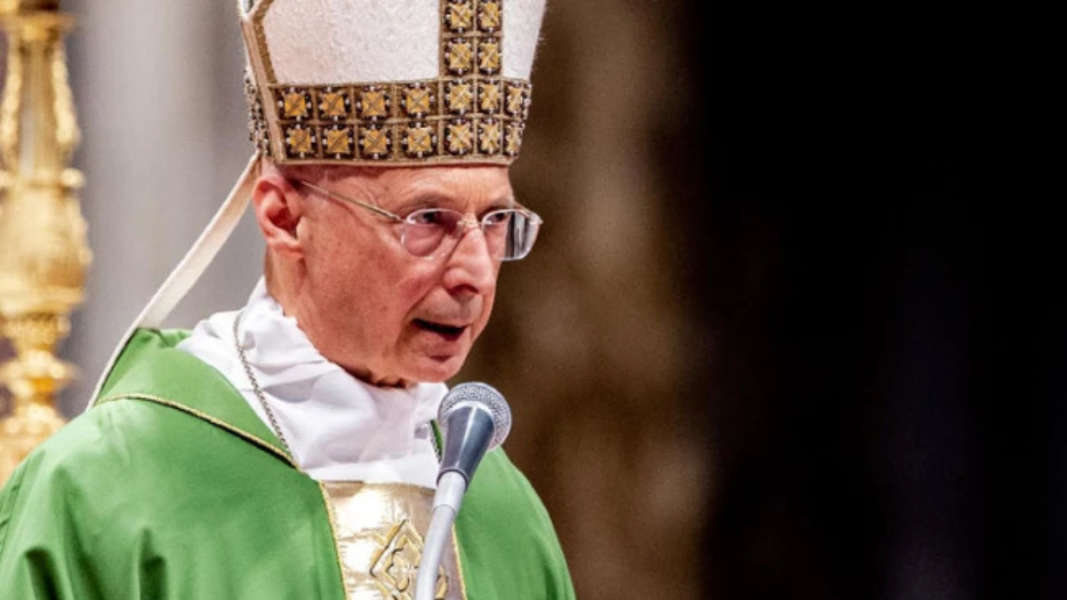
In statements to the newspaper Il Roma, Bagnasco emphasized the need for a Church «more and more united», in tune with the new Pope’s call from the loggia of St. Peter’s: «It is necessary for the Church to be ever more united, and the Pope has recalled this with firmness and tenderness from the very first moment».
The Traditional Mass within the Unity of the Church
Asked about the possibility of easing the restrictions imposed on the Latin Mass, the cardinal responded clearly:
«I served for several years in the Dicastery for the Eastern Churches and I have verified that in the Catholic Church there are more than thirty liturgical rites. I have never seen, nor do I see now, how the extraordinary form of the Roman rite —unique, as Benedict XVI clarified— can create problems, just as it does not happen with the Ambrosian rite. I see no risks or dangers if things are done serenely and with benevolence on the part of all».
For Bagnasco, the diversity of liturgical forms lived in peace and charity does not compromise ecclesial communion, but can be lived as a richness in service to unity.
Sprouts of Faith and Popular Devotions
The cardinal pointed out reasons for hope: «I see many sprouts of faith growing in what seems to be the spiritual desert of Europe. In families and among the young people I often speak with, I perceive the need to cultivate the soul».
Although religious practice decreases in some places, he assured that popular devotions «remain alive» also in northern Italy, especially in mountainous areas, where «it is not just folklore: it expresses a deeply religious soul linked to the Virgin and the saints».
Moral Doctrine and Personal Call to Conversion
On moral issues—including homosexuality—he recalled that «the doctrine of the Church and the magisterium are clear and rooted in the Bible». The Jubilee, he said, is «open to each person» to confront their life with the Gospel. «Not groups or categories, but each person».
An Invitation to Hope
In his homily, Bagnasco encouraged the faithful to be «dissenters» in the face of the materialistic culture that «preaches the absence of God», when «the human heart feels an absolute need for Him».