


Recently, journalistic and informative media in Mexico have given “alarm signals” for the decline of vocations in Mexico foretelling a shortage of vocations and a barren future in the number of priests. Europe and North America struggle to maintain vocations, but the future of the Catholic priesthood could be forged in distant countries that, instead of urgently needing pastors, begin to export them to Churches in decline.
The 63rd World Day of Prayer for Vocations, this Sunday, April 26, invites us especially to reflect on vocation as a “dynamic process of maturation” and it seems that four institutions in the world reflect these dynamic processes of maturation of the priestly vocation like no other.
They are the largest on the planet, Seminaries that, according to 2024-2025 data, train a good number of priests; of these, two are located on the distant island of Flores in Indonesia; another in Guadalajara, Jalisco, west of Mexico and the last in the coal city of Enugu, southeast of Nigeria, an African nation neighboring Cameroon and Equatorial Guinea, recently visited by Leo XIV. They not only share impressive figures of seminarians, but have built distinct models of formation in contexts culturally radically different and the same challenge, to form faithful, holy, and missionary priests amid the complex realities and challenges facing the Catholic Church.
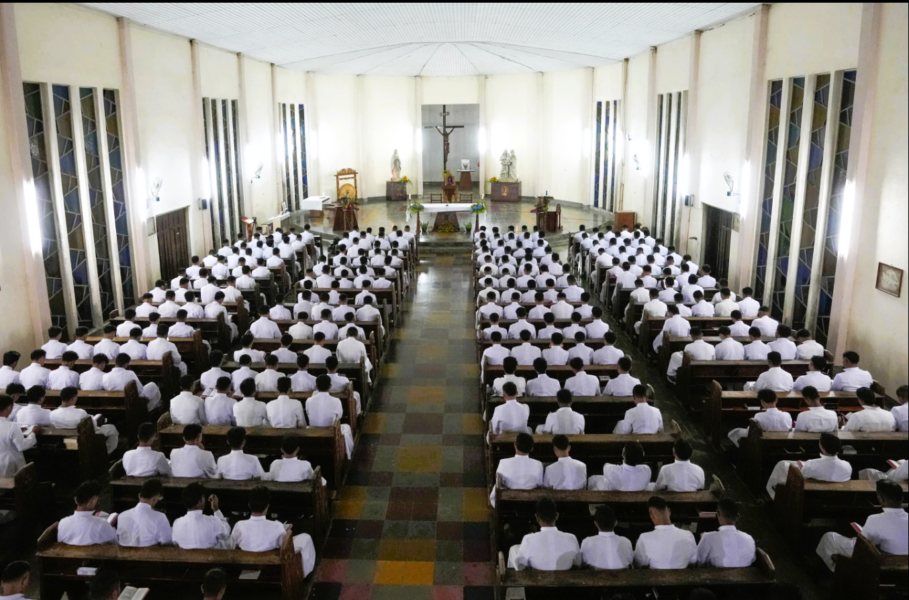
The Interdiocesan Seminary of St. Peter of Ritapiret in Maumere, Flores, Indonesia, is recognized as the largest Catholic seminary in the world by enrolled students. Although exact figures broken down are not published, it trains future presbyters of the Archdiocese of Ende and its suffragans in an archipelago where Catholics are a minority, only 3% of Indonesia. Its growth reflects the increase in diocesan priests in the country: from 2,203 in 2017 to 2,466 in 2022. In a predominantly Muslim environment, Ritapiret has become the engine of a young and dynamic Church that exports vocations. Its interdiocesan model concentrates resources from various jurisdictions and emphasizes inculturation, seminarians from remote islands learn to be pastors in poor, multicultural communities often affected by natural disasters.
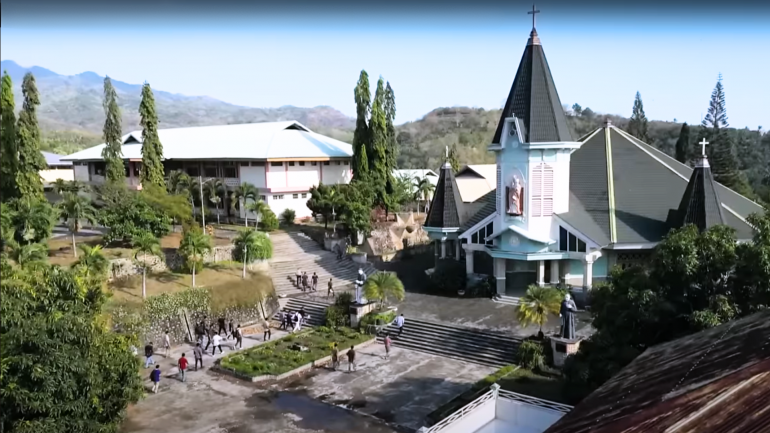
A few kilometers away, on the same island of Flores, the Major Seminary of St. Paul in Ledalero is another giant that multiple international Catholic sources place among the largest on the planet. With more than 1,000 total students and more than 600 candidates for the priesthood, in addition to lay programs that raise enrollment to 1,500 students, the Seminary was founded in 1937 by the Divine Word Missionaries.
Almost 1,500 priests from the Society of the Divine Word have already graduated, of which about 500 serve in more than 70 countries. Its formation is integral and demanding, four years of philosophy, two of theology, years of pastoral work, and an emphasis on manual labor, community prayer, and simple living. The seminarians cultivate gardens, raise animals, and face strict internet limitations to foster silence and reflection. Despite financial challenges, resources stretched for more than 320 seminarians according to some reports, Ledalero has a system of minor seminaries that feeds 650 high school students. It is a “school of life” that forms resilient, humble, and missionary priests, prepared to serve in contexts of poverty and cultural diversity.
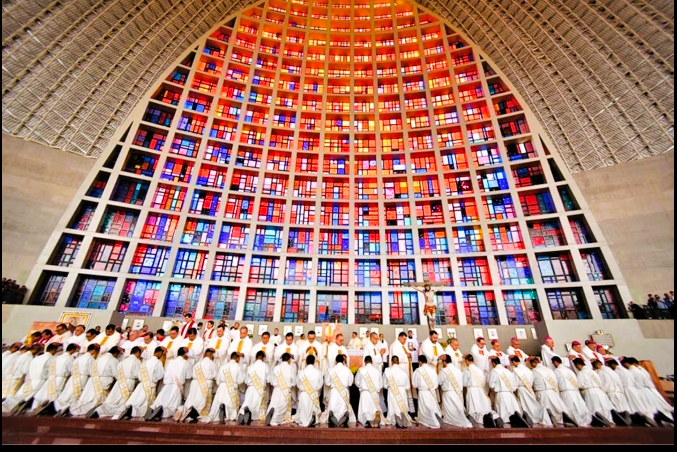
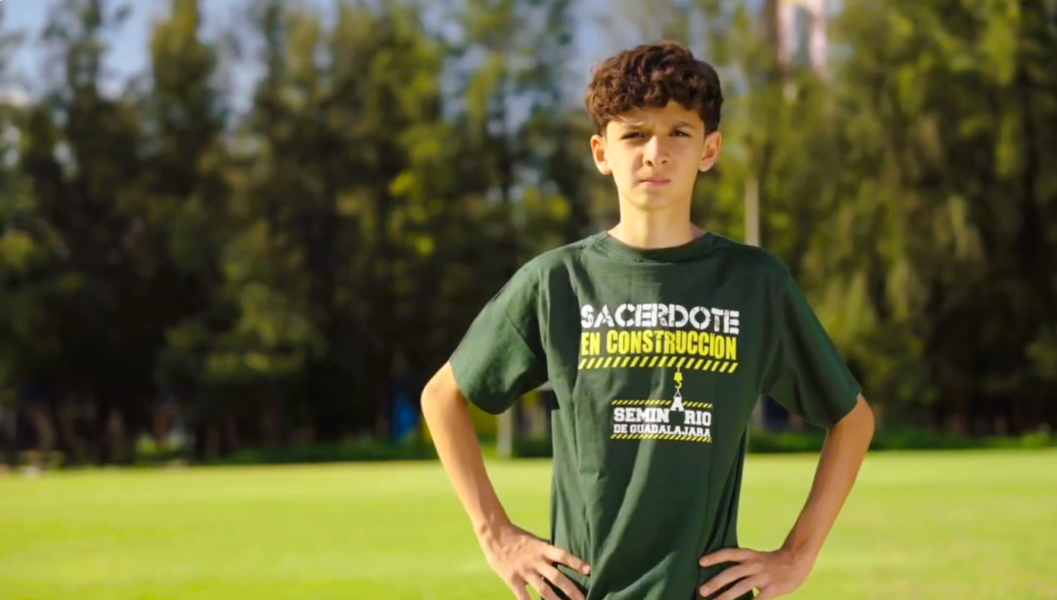
More than 16,000 kilometers away, in western Mexico, the Diocesan Seminary of Guadalajara holds the indisputable title of the largest Seminary in the world for a single archdiocese. With more than 1,120 seminarians in all its stages according to 2023-2024 data, confirmed in 2025 references, it includes SEMFAM for adolescents, Minor and Major Seminary with auxiliary headquarters. Founded in 1696, it is one of the oldest formative institutions in America. Its model is strictly diocesan and accompanies local vocations with a progressive itinerary that balances the four classic dimensions of good formation: human, spiritual, intellectual, and pastoral.
In more than three centuries, it has been the cradle of almost 10,000 presbyters, around 100 bishops, five cardinals, Robles Ortega (2007), Sandoval Íñiguez (1994), Salazar López (1973), Garibi Rivera (1958 and first Mexican cardinal) and Gómez Portugal y Solís (1850), bishop of Michoacán, first Mexican cardinal in pectore of Pope Pius IX, who could also have been the first American cardinal; it has given 15 canonized martyr saints, many of them trained in its classrooms during the difficult times of religious persecution. Today it continues to hold annual ordinations, with 107 priests between 2022 and 2023, 32 in 2024, demonstrating that a diocesan Seminary, regardless of its size, is a vocational nursery.
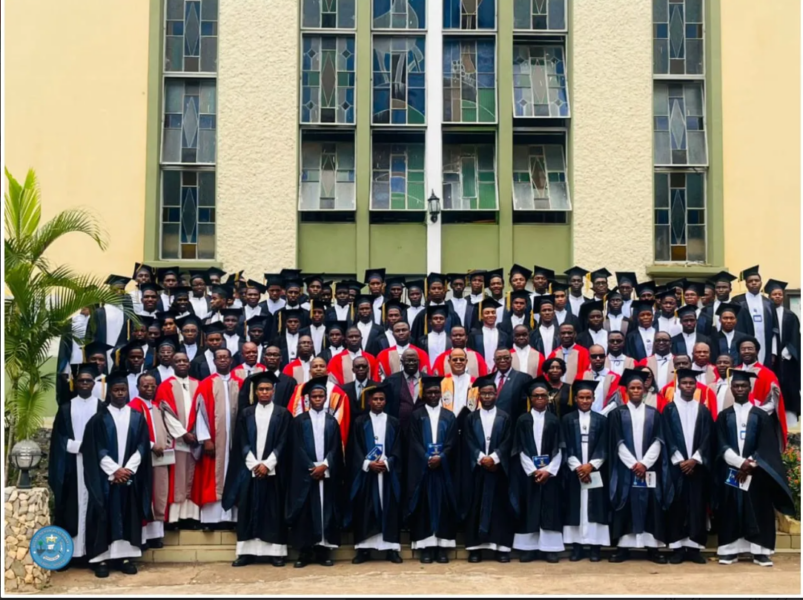
Closing the quartet is the Bigard Memorial Seminary of Enugu, Nigeria, which owes its name in honor of Stephanie and Jeanne Bigard, mother and daughter founders of theOpus Sancti Petri Apostoli, predecessor organization of the Pontifical Mission Works with between 700 and 780 seminarians, 548 diocesan and the rest from eight religious congregations. Founded in 1924, the Seminary has a mixed, diocesan and religious character, which allows training candidates from different dioceses in southeastern Nigeria, a region of strong Catholic vitality, but of violent persecutions against Christians. From its classrooms have emerged 63 bishops and 4 cardinals. The formation follows the Ratio Fundamentalis and emphasizes discipline, community life, and service in a context of poverty, instability, and explosive demographic growth. Like in Indonesia, Bigard responds to an African “vocational boom” that contrasts with the aging of the European and American clergy.
These four priest-forming institutions share the seal of abundant vocations in regions where Catholicism is vital and missionary and where the priesthood is not a “declining profession”, but a massive response from young people to a call that is lived radically. All face common challenges, limited resources, formation in contexts of poverty or religious minority, and the pressure of a digital world that hinders silence and affective maturity.
However, the contrasts are quite evident, the Major Seminary of St. Paul in Ledalero and Interdiocesan Seminary of St. Peter of Ritapiret are interdiocesan and regional, concentrating vocations from various dioceses and congregations in a Catholic enclave amid a predominantly Muslim region, their horizon is missionary to send priests where there are shortages. The Diocesan Seminary of Guadalajara has an identity to form the secular clergy of the archdiocese with a 325-year history marked by martyrdom and a strongly tied identity to the piety of Western Mexico. The Bigard Memorial Seminary combines both worlds of sub-Saharan Africa. While the Indonesian seminaries stand out for their massive scale and ability to send priests, that of Guadalajara has a life endowed with historical longevity and formation of saints and martyrs. Bigard represents the African push, high numbers, but with a focus on consolidating young local churches.
This panorama reveals an irreversible trend, the center of gravity of priestly formation seems to be shifting to the South. While in the West many seminaries have fewer than 100 seminarians or close, these four “formative colossi” add up to more than 3,000 future presbyters. Their success lies not only in quantity, but in the quality of a formation that integrates prayer, study, manual labor, and real service to the poor. This allows perhaps a bolder conclusion to be formulated, in Ritapiret and Ledalero the intercultural missionary is formed; in Guadalajara, the pastor faithful to the local tradition and in Bigard, the resilient leader amid adversity.
Far from being mere “numbers”, these Seminaries are signs of hope. In a 21st century marked by secularization, the Spirit continues to call strongly. The four colossi are not only the largest in the world, they are the living laboratories where the priesthood is being reinvented for the universal Church of the future.