


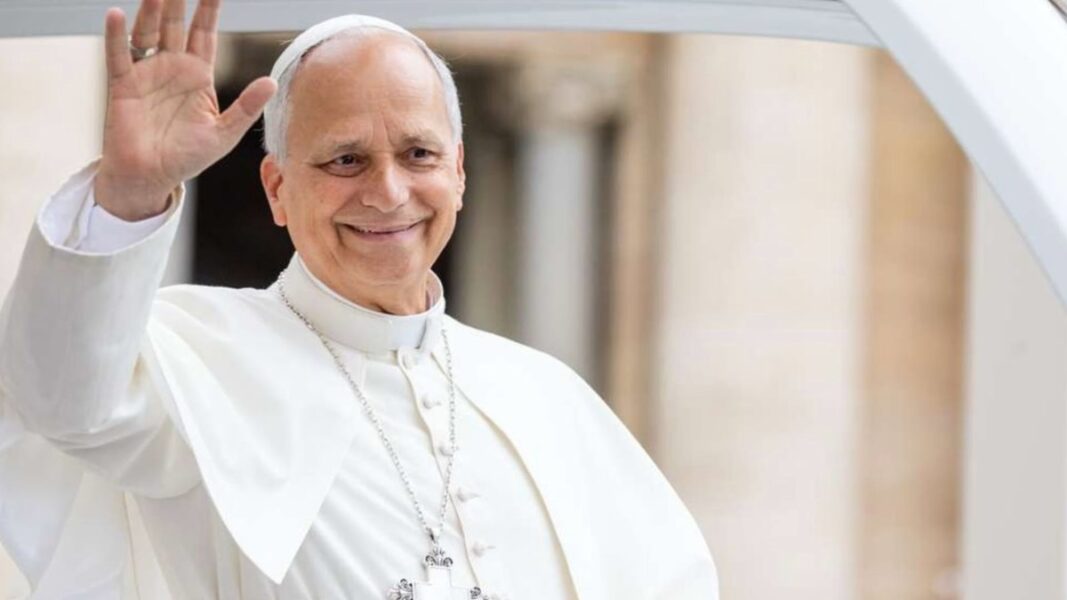
In St. Peter’s Square, Leo XIV reviewed the “long and beautiful apostolic journey” that concluded on Tuesday morning with his return to Rome. The Pope explained the meaning of each of the three stages. Peru is the country where he lived for many years, “as a missionary and later as a bishop.” Argentina is “the homeland of Pope Francis,” whose people he wished to meet. Uruguay is a nation where Catholics “live as a minority.” He stressed that “it is significant that my itinerary began precisely there.”
Uruguay and Argentina: proclamation and welcome
The motto of the Uruguayan stage was “I bring you good news of great joy” (Lk 2:10). These are the angel’s words to the shepherds of Bethlehem. Leo XIV stated that he went to the country “to proclaim Him, the Lord, God made man.” He recounted receiving “a warm and participatory welcome” and reminding Uruguayans “of the importance of faith in God and the great value of human life.”
In Argentina the motto was “Everyone is welcome. Go and announce”. The Pope explicitly linked it to his predecessor: “In these expressions the echo of Pope Francis’s magisterium resounds.” He described that vision as one of “a welcoming Church, open to all, where everyone can feel at home.” In it each person must be heard, recognized in their dignity and “reconciled with God, with themselves and with the community.” At the same time, he added, it must be “a fully missionary Church that finds its coherence and joy in evangelization.”
Leo XIV recounted that in Argentina he urged people “to cultivate communion amid the richness of diversity.” He also encouraged building “a just and solidary society, according to the principles of the Church’s Social Doctrine.” In the summary he read in Spanish, the Pontiff stated that “millions of the faithful” gathered for the large celebrations.
Peru, the land of his years as missionary and bishop
The Peruvian stage was “a little longer.” The Pope explained that he feels “a particular debt of gratitude” toward the people of God in that country. Under the motto “Let us open our hearts”, he insisted that following Christ requires opening oneself to the Holy Spirit “following the example of the saints.”
He expressly mentioned Saint Turibius of Mogrovejo, Saint Rose of Lima, Saint Francis Solano, Saint Martin de Porres and Saint John Macias. He said Peru’s history “would not be the same” without them. According to Leo XIV, together with the theological virtues they spread “respect for human dignity, the sense of the sacredness of life, reconciliation, peace.”
The Pontiff acknowledged that in Chiclayo, the diocese he governed as bishop, he felt “at home.” There he again encountered “the simple and genuine faith animated by popular piety.” He also visited Cusco, where, he said, the fruits of “the wonderful work of inculturation of the Gospel carried out by the missionaries” still endure. His last stop was the Amazon region, with peoples “rich in traditional culture and wounded by injustice and violence.”
During the Peruvian stage the Pope included a detail that was not on the official program of the trip. He wished to encourage the faithful “also by meeting personally, here as in other countries, some victims of abuse.” He offered no further details about those encounters.
Leo XIV attributed to the Virgin Mary “a constant presence” in all the stages, because, he said, “she is part of the history of those peoples.” He concluded the catechesis with thanks to the bishops, civil authorities, priests, religious and faithful.
Victims of abuse and fishermen in the final appeals
After the catechesis, the Pope recalled that today Italy celebrates the National Day of Prayer for Victims and Survivors of Abuse. It is promoted by the service for the protection of minors of the Italian Episcopal Conference. Its motto is “Healing listening, rebuilding community”. Leo XIV affirmed that prevention and the fight against abuse are for the Christian community “a way of living evangelical conversion.” That conversion involves listening to the wounded, “calling evil by its name.”
He also mentioned World Fisheries Day, celebrated on 21 November with the motto “Come and eat”. He remembered fishermen exposed to war, piracy and captivity. He likewise recalled migrants and exploited workers in the sector and coastal communities affected by climate change.
Complete message of Pope Leo XIV
General Audience of 18 November 2026
Catechesis – The Apostolic Journey to Uruguay, Argentina and Peru
Dear brothers and sisters, good morning and welcome!
Yesterday morning I returned to Rome after a long and beautiful apostolic journey to Uruguay, Argentina and Peru. Peru, as you know, is the country where I lived for many years, as a missionary and later as a bishop. Argentina is the homeland of Pope Francis, and I wished to visit it, to meet the people he loved so much. Uruguay is a nation where Catholics live as a minority, and it is significant that my itinerary began precisely there.
The motto of the pastoral visit to Uruguay was “I bring you good news of great joy” (Lk 2:10). These are the words with which, in the Gospel of Luke, the angel brings to the shepherds of Bethlehem the news of the birth of Jesus Christ. And indeed I went to that country to proclaim Him, the Lord, God made man, who gives fullness of life in truth and love. I am very happy because among the Uruguayan people I found a warm and participatory welcome, so that I was able to remind everyone of the importance of faith in God and how much value human life has; and how faith helps us face the difficulties of life and to be builders of peace.
In Argentina the motto was Everyone is welcome. Go and announce. In these expressions the echo of the magisterium of Pope Francis, son of that great South American country, resounds. It is the vision of the Church that he has handed on to us: a welcoming Church, open to all and where everyone can feel at home, be heard, recognized in their dignity, reconciled with God, with themselves and with the community, valued with their gifts and their limits; and, at the same time, a fully missionary Church that finds its coherence and its joy in evangelization. In Argentina I experienced the enthusiastic and choral participation of the holy people of God. In this climate of great affection for the Pope – which I will never forget – I urged the cultivation of communion in the richness of diversity and encouraged commitment to building a just and solidary society, according to the principles of the Church’s Social Doctrine.
The visit to Peru was a little longer, because I have a particular debt of gratitude toward the People of God who live in that country. The motto of this third stage was Let us open our hearts. To follow Christ it is necessary to open the heart to the Holy Spirit, following the example of the saints. The history of Peru would not be the same without the presence and work of Saint Turibius of Mogrovejo, Saint Rose of Lima, Saint Francis Solano, Saint Martin de Porres, Saint John Macias. Together with faith, hope and charity, they spread respect for human dignity, the sense of the sacredness of life, reconciliation, peace: they built the civilization of love. Their witness is alive and timely, and today there is no lack of men and women who, with hearts open to God and neighbor, commit themselves to building a more just and fraternal Peru. It was a great joy for me to be able to encourage them with the grace proper to the Petrine ministry; and I wished to do so also by meeting personally, here as in other countries, some victims of abuse.
In Chiclayo, in particular, I felt at home. I again encountered the simple and genuine faith animated by popular piety; I felt the embrace of the rural populations of the Cordillera; I was able to see again people who have left a deep mark on my life. My heart was full of gratitude for being able to be in the midst of those communities and confirm them in faith and hope. Thanks be to God I was also able to go to Cusco, where the fruits of the wonderful work of inculturation of the Gospel carried out by the missionaries are still enjoyed, and also to the Amazon region, to meet those peoples rich in traditional culture and wounded by injustice and violence.
Dear friends, visiting the local Churches on apostolic journeys, the Pope can see the beauty of the People of God on the way, despite the difficulties that may be encountered according to contexts and historical moments. Indeed, in all places one recognizes how the Holy Spirit helps the Church to be a sign and instrument of unity, in listening to the Word of God, in celebrating the holy Mysteries and in the service of charity.
A constant presence that has accompanied every stage of this journey was that of the Virgin Mary. This is well understood, because she truly forms part of the history of those peoples, walks with them, guides and comforts them. I too give thanks for her protection and entrust to her intercession all those who, in a thousand ways, welcomed and supported me in this mission.
I renew my gratitude to the bishops and civil authorities of the countries I visited, to the priests, religious and all the faithful who participated in person or spiritually. May the Lord, who has granted me this great grace, always bless those peoples and guide them on the path of peace in justice and fraternity.
Appeals
On 21 November World Fisheries Day is celebrated, which this year has the theme: “Come and eat.” My thoughts go especially to fishermen exposed to war, piracy and captivity, as well as to those from whom the sea has taken their loved ones and who still await news. I also remember migrant fishermen, the exploited and coastal communities facing climate change and an increasingly impoverished sea.
Today Italy celebrates the National Day of Prayer for Victims and Survivors of Abuse, promoted by the National Service for the Protection of Minors and Vulnerable Adults of the Italian Episcopal Conference. The theme “Healing listening, rebuilding community” reminds us that for the Christian community the prevention and fight against abuse is a way of living evangelical conversion, beginning with listening to those who have been wounded, calling evil by its name and undertaking paths of truth, justice and reconstruction.
Summary read in Spanish by the Holy Father
Dear brothers and sisters:
Yesterday I returned from the Apostolic Journey to Uruguay, Argentina and Peru. All that was experienced has been a special gift of the Lord.
With the Uruguayan people I renewed the message of salvation: I bring you good news of great joy (Lk 2:10), that is, Jesus Christ, the Truth that enlightens every man.
In Argentina, the homeland of Pope Francis, I was received with warm enthusiasm. Millions of the faithful gathered for the great celebrations. With joy I was able to convey the motto of the visit: Everyone is welcome. Go and announce!
Finally, upon arriving in Peru, where I was a missionary and bishop, I felt the embrace full of affection and faith of the people. I was able to visit different areas of the country, inviting everyone to open their hearts to the love of Christ, to build together a more just and fraternal society.
Greetings
I cordially greet the Spanish-speaking pilgrims. I thank those who prayed for the Apostolic Journey to South America, as well as all who collaborated in different ways to make it possible. May the Blessed Virgin Mary always guide those beloved peoples along the path of the Gospel. May God bless you. Thank you very much.