


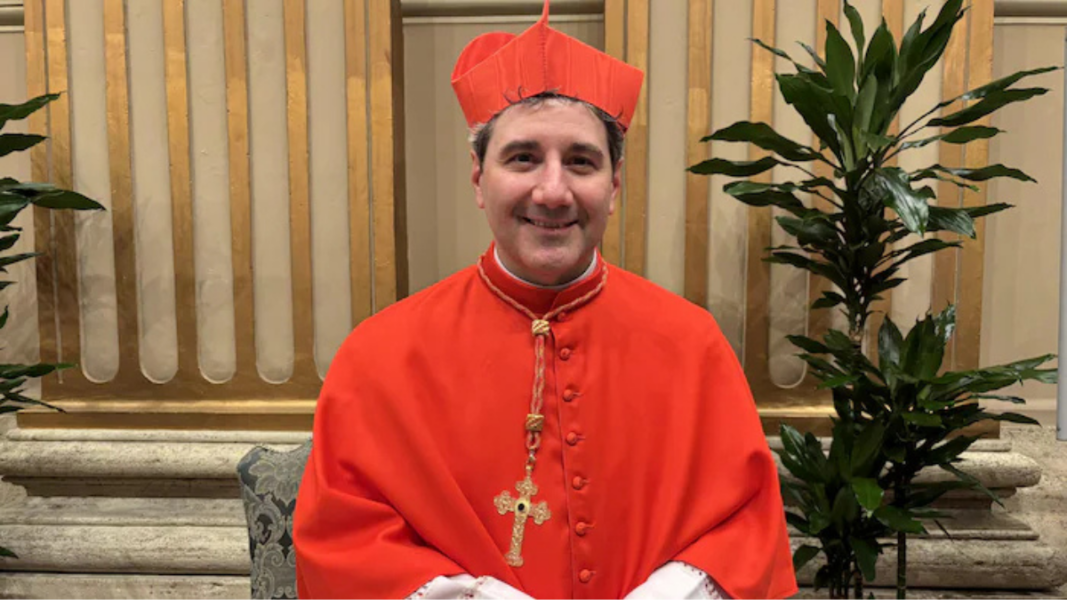
Cardinal Frank Leo, Archbishop of Toronto, has assigned two tasks to the 224 parishes of the archdiocese for the period leading up to 2027: to establish a genuinely functioning pastoral council and to subject their parish life to a thorough evaluation. This is detailed by the portal Silere non possum based on the pastoral plan “Filling the Jars to the Brim,” which the archdiocese presented on November 4 and which covers the years 2026 to 2033.
According to the archdiocesan website, the plan takes its name from the Wedding at Cana and is structured around six priorities, each with a year of special focus: family life (2027-2028), social action with the poor, the sick, and the vulnerable (2028-2029), prayer and sacramental life (2029-2030), catechesis and formation (2030-2031), vocations (2031-2032), and youth (2032-2033). The journey culminates with the Jubilee of 2033, and 2026 is set as a year of listening and discernment.
A mandatory pastoral council in every parish
Silere non possum emphasizes that the requirement of a pastoral council in all parishes goes beyond the Code of Canon Law, which leaves this decision to the bishop’s discretion (canons 511 and 536). The councils will be purely consultative, without governing authority, and must remain separate from finance councils and parish staff meetings. Their members will be appointed, not elected, and must reflect the community without acting as representatives of interest groups.
In addition, each council will need written statutes and mandatory formation, and its meetings will begin with a reading from Scripture. It will employ the synodal method of “conversation in the Spirit.” To evaluate the six priorities, the councils will draw on data such as Mass attendance, sacraments, school enrollment, and demographics, as well as questionnaires, listening sessions, and conversations with clergy and ministry leaders. Each council must identify two or three urgent needs and publish its conclusions in writing before planning.
From the 2023 consultation to the six priorities
The plan stems from the promise Leo made in the homily of his installation in 2023: “I will listen to you.” A subsequent consultation gathered about 3,450 responses and produced thirteen priorities, including Catholic identity, liturgy, evangelization, support for priests, and catechesis. Another consultation involved 216 priests, and in 2025 an advisory committee and a working group reduced those thirteen lines to the six final priorities.
According to the data collected by Silere non possum, the archdiocese has about 1.6 million Catholics among 6.5 million inhabitants. In 2025, there were 11,384 baptisms, 2,002 marriages, and three priestly ordinations, with the clergy comprising 392 diocesan priests and 374 religious. A few months ago, InfoVaticana reported on the cardinal’s request to the Canadian government to halt euthanasia.
Objections to the plan
The Silere non possum article itself raises criticisms. It notes that support for priests, one of the thirteen initial priorities, does not appear as a standalone priority in the final plan and is mentioned only within the vocations section. It also warns that pastors will bear much of the workload in the first year and questions whether a roughly one-hundred-page document will ease or increase the burden on parishes.
The portal further observes that youth, who were very present in the 2023 consultation, will be the focus of the plan only in the 2032-2033 biennium. It also compares the method with the one Pope Leo XIV proposed to the Diocese of Rome on September 18, which is based on evaluation before launching new programs.