


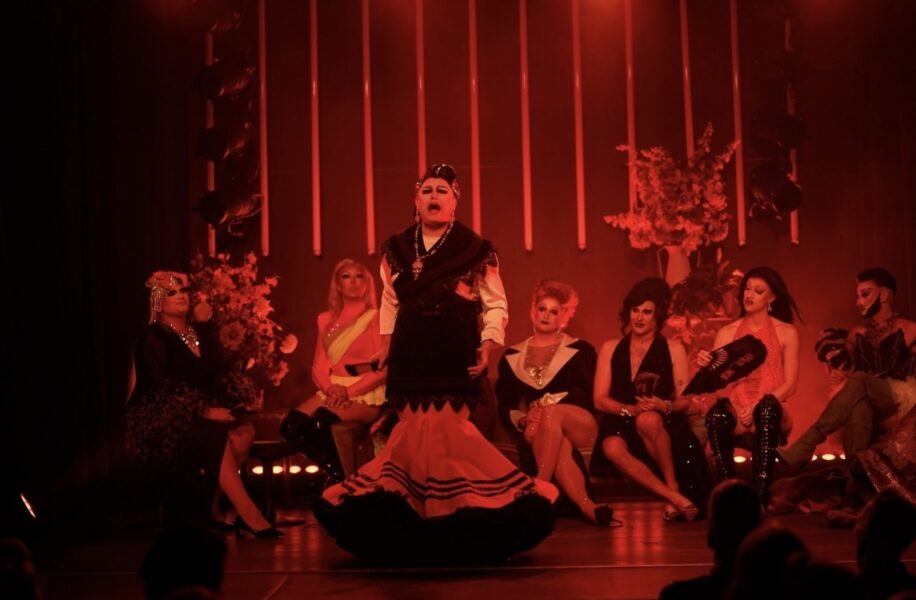
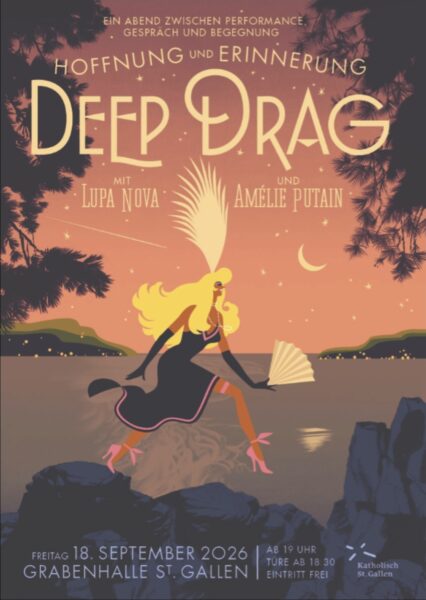
The Catholic pastoral of the city of St. Gallen (Switzerland), dependent on the diocese of the same name, is organizing a drag show at the Grabenhalle on Friday, September 18, a concert hall known for hosting “alternative” proposals. This was revealed by the Vatican correspondent of the Catholic Herald, Michael Haynes, based on the publicity that the pastoral itself disseminates on its website and on its social media.
The protagonists are two male artists who perform under the names Lupa Nova and Amelie Putain, both based in the city. The evening, presented as “Deep drag” and built around the theme “memory and hope,” combines, according to the organizers, “drag art with social, spiritual, and cultural issues” and offers “an open space for performance, conversation, and shared reflection on what moves people, without distinction of age, origin, or lifestyle.”
Interview with a diocesan employee and donations for HAVEN99
The event is run by the “Culture and Formation” office of the urban pastoral. A diocesan worker will interview the two artists and relay questions previously sent by the public. The performances include cross-dressing, suggestive dances, and revealing costumes, as the Herald describes.
Admission is free, but donations will be collected during the evening for HAVEN99, an organization that provides housing for transgender youth in “a shared queer and supportive apartment” when “they feel uncomfortable or unsafe in their private lives.” The pastoral’s website expressly invites donations, and the promotional poster includes a QR code to facilitate them. Both performers have publicly stated that their goal is to change the public’s perspective in favor of LGBT claims.
No response from Bishop Grögli
The pastoral of the city of St. Gallen operates under the authority of the diocese, which has been governed since 2024 by Bishop Beat Grögli, and forms part of his plan for “mobile pastoral care” to bring religion to the streets. The event’s publicity is open on the pastoral’s channels, although it does not appear on the diocese’s website or social media.
The Herald asked both the bishop’s office and the pastoral whether the show has Bishop Grögli’s permission, whether it will be repeated, and what its purpose is. Neither office had responded by the time the information was closed.
Precedents
The diocese of St. Gallen belongs to a Swiss episcopate that in recent years has positioned itself at the forefront of the most progressive positions in Central European Catholicism, with close ties to the German Synodal Way. The case, however, refers to a Roman precedent: during the first World Children’s Day, organized by the Vatican in May 2024, the drag artist Carmine De Rosa performed before the minors present before the arrival of Pope Francis, and claimed to have been officially invited by the organizers. The press questions went unanswered at the time.
That an ecclesial structure finances with its name and its channels a show whose content and fundraising purpose openly contradict Catholic anthropology on sexuality and identity raises, beyond St. Gallen, the question of what control bishops exercise over the urban pastorals that depend on them.