


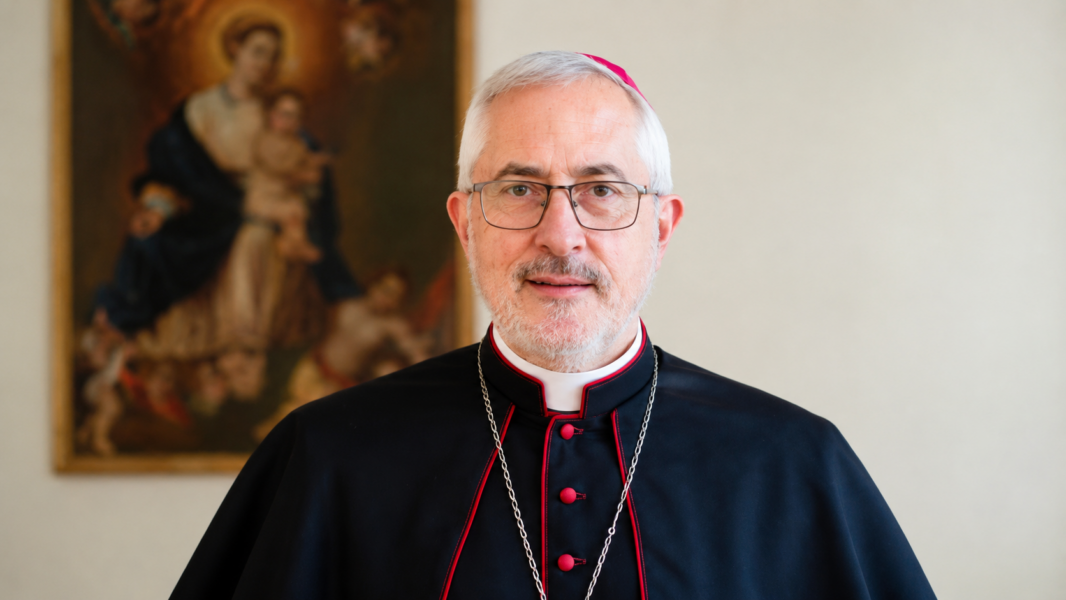
The Archbishop of Tangier, Emilio Rocha, has ruled out that mafias are behind the mass entry of illegal immigrants from Morocco into Ceuta and has called for a «pact of common sense» to prevent the migration crisis from being used as a tool for political confrontation.
In an interview broadcast on Saturday, August 1, on the program La Linterna de la Iglesia, on COPE, the prelate maintained that those who have crossed the border are not paying organizations involved in human trafficking and attributed the mobilization mainly to the spread of messages through social media and the expectations generated by the difficulties in carrying out immediate repatriations.
«I believe that the mafias are not operating here, because mafias act for money and the young people who are jumping are not paying,» Rocha stated, who also rejected that most of them are fleeing from hunger. «Morocco is not a poor country, it is not a country where young people are fleeing from hunger,» he noted.
Inequality and expectations of prosperity
The archbishop explained that many of the young people trying to reach Spain are seeking «more successful alternatives» in the face of existing inequalities in Morocco and the image of prosperity they associate with Europe. According to him, in some Moroccan families, the arrival of one of their members in Spanish territory is seen as an opportunity for economic progress.
«When a young person managed to reach Spain and communicated ‘I’m in Spain,’ it was a family celebration,» he recounted. That perception, he added, coexists with a critical view of Europe, which some Moroccans attribute with greater material wealth, but also with a «loss of ethical and moral values.»
From Tangier, Rocha described an uneven reaction to what happened. While Moroccan official media have treated the crisis with caution and as a somewhat predictable situation, part of the population has shown concern and, in some cases, satisfaction at the possibility that relatives or acquaintances have reached Spain.
The human impact on both sides of the border
The prelate expressed concern both for those who have crossed the border and for the residents of Ceuta, where the mass arrival has caused a sense of insecurity and helplessness.
Rocha asked that the crisis not be reduced to numbers and recalled that «behind every face there is a person with projects, with dreams, with hopes.» At the same time, he acknowledged the impact the situation has had on the Ceuta population and the need to address the social and security consequences resulting from an arrival of these dimensions.
According to estimates cited during the interview, around 60,000 people would have entered Ceuta from Morocco and 57 deaths would have been recorded.
A «pact of common sense» between the parties
In the face of the political confrontation generated by the crisis, the archbishop called on Spanish parties to avoid turning immigrants into «political bargaining chips» or «throwing weapons.»
«We need a pact of common sense where we do not use migrants as political bargaining chips,» he stated. In his opinion, parliamentary forces should lower tensions and seek a coordinated response that combines border control with an orderly management of immigration.
Rocha also called for greater dialogue between the governments of Spain and Morocco and proposed «working more on training, less on repression,» with the aim of promoting regular and integrated migration processes. In this regard, he recalled that Spain needs labor, although he insisted that the arrival of workers must occur in an organized manner.