


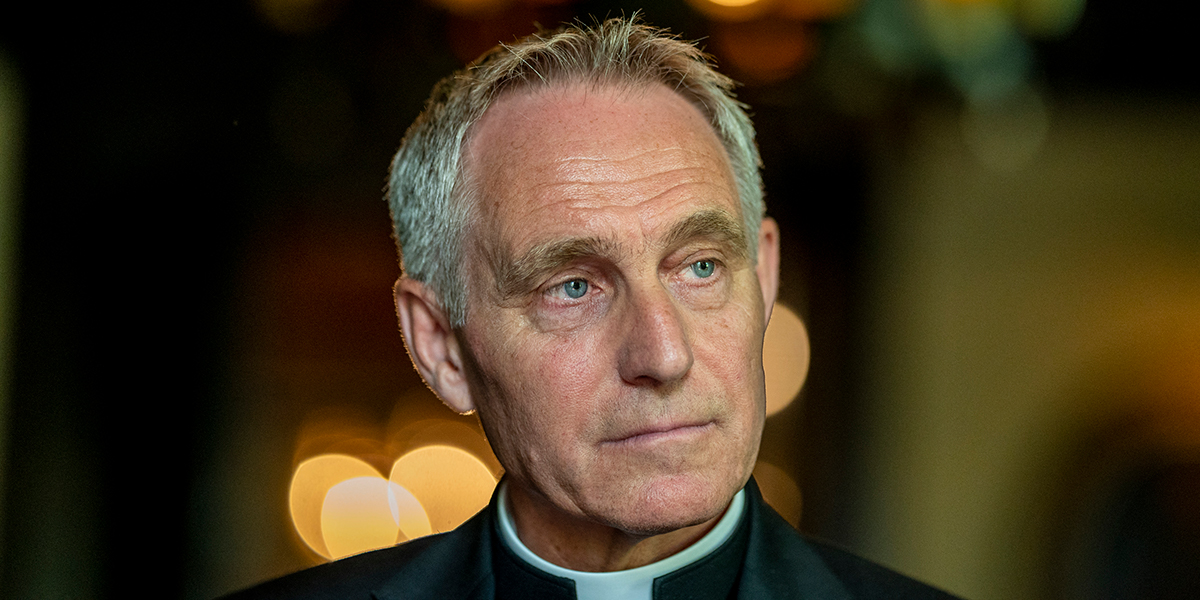
Archbishop Georg Gänswein, apostolic nuncio to the Baltic countries and for years personal secretary to Benedict XVI, stated that Pope Leo XIV has identified the problems facing the Church and is taking action to address them. In an interview granted to Katholisch.de on the occasion of his 70th birthday, the German prelate affirmed that “it is undeniable that during the previous pontificate some difficulties and problems came to light,” while highlighting that the current Pontiff “sees those problems, takes them seriously, and acts.”
“He seeks to heal wounds with prudence”
Taking stock of the first year of Pope Leo XIV’s pontificate, Gänswein described the Pope as “a prudent and intelligent man” who, from the beginning of his ministry, has set a clear direction for the Church.
“With the choice of his name he already gave a first signal,” he stated. In his view, the Pontiff “places greater trust once again in the direct collaboration of the Roman Curia” and is aware that “in the Church there are tensions and difficulties that must be overcome.”
“He perceives that reality and seeks to heal existing wounds with prudence. A clear line is evident. This is manifested both in his appointments and in his magisterial writings and public interventions,” he noted.
Asked about the differences with the pontificate of Francis, Gänswein avoided making personal comparisons, although he acknowledged that “I do not make an assessment of both popes.” Nevertheless, he added: “It is undeniable that during the previous pontificate some difficulties and problems came to light. Pope Leo sees those problems and confronts them. This shows that he knows reality, takes it seriously, and acts.”
He also expressed his hope that Leo XIV will remain steadfast in the exercise of his ministry: “The most important task of a pope is to be the first witness to Jesus Christ. He must offer convincing answers from faith to the questions of today’s world. I wish him to remain firm when the wind changes and criticism arrives.”
The German Synodal Way remains “a burden”
During the interview, the nuncio also referred to the situation of the Church in Germany. Asked about his main concerns, he replied that they are summed up “in that monstrous word which is the Synodal Way.”
“The sterile debates about structures and similar issues consume important energies in the wrong place,” he lamented.
In his view, the tensions between Rome and the German Church remain unresolved. “The tensions related to the Synodal Way and various projects that depart from the Catholic faith continue to exist and await a definitive clarification. For many Catholics in Germany, who simply want to live their faith, this is a burden.”
Regarding the new president of the German Bishops’ Conference, Bishop Heiner Wilmer, Gänswein expressed moderate hope. “So far he gives a good impression. It seems he does not want to force his way through the wall head-on. That could contribute to a relaxation.”
“I want to keep the memory of Benedict XVI alive”
Gänswein, who lived for years with Benedict XVI as his personal secretary, affirmed that he still feels responsible for safeguarding the legacy of the German pontiff.
“I feel obliged to do so, not because others expect it of me, but because I myself desire it. I am a witness to the importance this personality had for the Church and also for the world.”
He added that one of his main objectives is to preserve and make known the richness of Benedict XVI’s pontificate. “I want to contribute to preserving and rediscovering the rich heritage of his pontificate and his theological work. That is important to me and that is why I work.”
The Russian threat in the Baltic countries
For two years now, Gänswein has served as apostolic nuncio in Lithuania, Latvia, and Estonia. Regarding the security situation in the region, he acknowledged that the threat coming from Russia constitutes “a permanent burden” for the population.
“The danger is real; there is nothing to sugarcoat,” he stated. However, he explained that his mission consists in transmitting hope: “As a believer, priest, bishop, and nuncio, I try to give hope to people and show them that the threat does not have the last word; the last word belongs to hope.”
He also defended the role of diplomacy in a context of growing international tension. “Diplomacy represents dialogue. It must do everything possible to prevent wars and, if they break out, work tirelessly to bring them to an end. The louder violence shouts, the more necessary the work of diplomacy becomes.”