


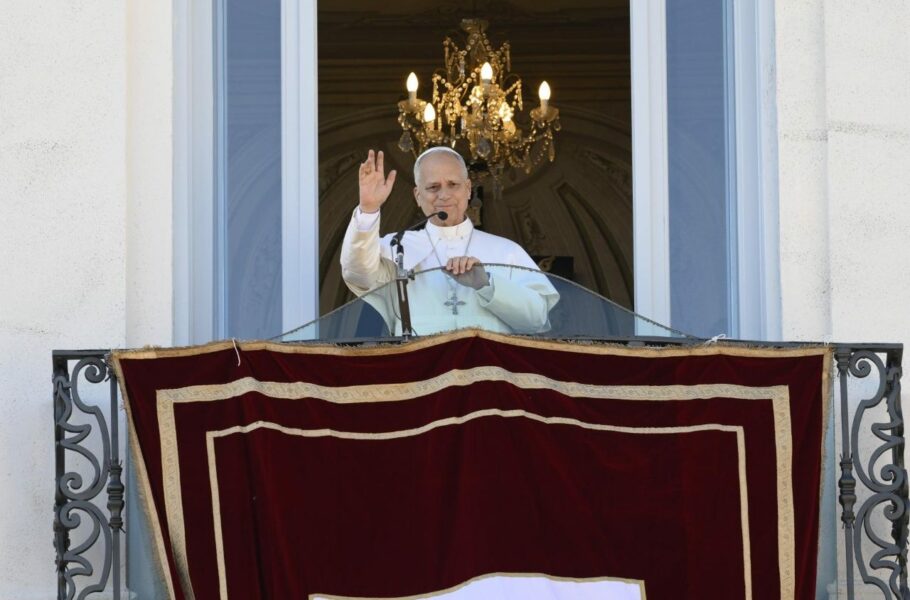
Pope Leo XIV warned this Sunday that “the winds of war are blowing again” in the Middle East, Ukraine and numerous regions of the world, sowing “violence, terror and death” and once more striking the innocent population. After the Angelus prayer in Freedom Square in Castel Gandolfo, the Pontiff urged that “the small flame of hope and peace” not be allowed to die out and renewed his call to follow “with perseverance the path of dialogue, of encounter and of diplomacy,” which he described as “the only one capable of leading to a just and lasting peace.”
In his reflection before the Marian prayer, the Holy Father meditated on the parable of the sower, proclaimed this Sunday in the liturgy, and recalled that God never ceases to sow his Word in the human heart because he knows better than anyone its capacity to welcome good and be transformed by grace.
God never stops trusting in man
Commenting on the Gospel of Saint Matthew, Pope Leo XIV explained that Jesus Christ, “the Word made flesh,” is the seed that the Father continues to sow in the world so that it may bear fruit.
He acknowledged that this seed often encounters “hard and insensitive” soil, distracted or full of obstacles, but also open hearts in which “miracles of love are unleashed that are capable of changing everything else.”
“The Father does not stop sowing because he knows that the power of his love is stronger than our weakness,” he affirmed.
Drawing on a homily of Saint John Chrysostom, the Pope recalled that what might seem an irrational way of sowing in a field can become, in God’s hands, an act full of hope when it concerns the human heart.
“The Lord, who knows well the soil of our heart, better than we ourselves know it, does not stop believing in us, in what we are and in what we can become, day after day, if we abandon ourselves to him in faith,” he noted.
The fruits the world needs
The Pontiff stressed that from this humble reception of the Word spring the fruits of the Holy Spirit: “love, joy, peace, generosity, kindness, goodness, faithfulness, gentleness and self-control.”
“How much our world needs these fruits, to be filled and transformed by them!” he exclaimed.
With an eye on the summer season, he encouraged the faithful to make use of their holidays not only for rest and wholesome entertainment, but also to devote time to reading and meditating on Sacred Scripture, to silence and to prayer.
“We will return to our usual occupations renewed in body and spirit, prepared to proclaim the Good News of the Gospel and ever more capable of cooperating in the growth of the Kingdom of God,” he stated.
A new appeal for peace
After the Angelus, Pope Leo XIV greeted the residents of Castel Gandolfo, where he is spending a few days of rest, and the pilgrims who had come from various countries.
He then turned his gaze toward the conflicts still open in different parts of the world.
“Unfortunately, the winds of war are blowing again in the Middle East, in Ukraine and in numerous other parts of the world, sowing violence, terror and death and once more striking so many innocents,” he lamented.
In the face of this situation, he asked that “the small flame of hope and peace, even when it seems fragile and wavering,” not be allowed to go out.
The Pope also reiterated his desire that the international community persevere “on the path of dialogue, of encounter and of diplomacy,” which he described as “the only path capable of leading to a just and lasting peace, in which peoples can live reconciled, with mutual security and respect for the dignity of every person.”
Remembering sea workers
On the occasion of Sea Sunday, Pope Leo XIV also extended a greeting to seafarers, fishermen and port workers throughout the world, thanking them for the “patient and silent” work that sustains commerce and the life of many peoples, despite being far from their families and facing the dangers arising from conflicts affecting maritime routes.
Finally, he assured his prayers for the Polish faithful gathered in the traditional pilgrimage to the shrine of Jasna Góra, that they may be “missionary disciples” and joyful witnesses of the Gospel.
We now leave you with the words of Pope Leo XIV:
Dear brothers and sisters, good morning and happy Sunday.
Today, in the liturgy, the evangelist Matthew presents us with the parable of the sower (cf. Mt 13:1-23), which describes the generosity and trust with which God scatters his Word in our hearts and his power within us.
Jesus himself, the Word made man, who gave his life for our salvation, is the seed that the Father continues to scatter in the world so that, by dying, it may bear much fruit (cf. Jn 12:24). It is true that at times it finds in us soil that is hard and insensitive; at other times, soil that is distracted, like the trodden ground of the paths, rocky ground or thorny bushes. But there are moments when it finds receptive and fertile soil, and then miracles of love occur that are capable of changing everything else, as we too have certainly experienced in our own lives. That is why the Father does not stop sowing, because he knows that the power of his love is stronger than our weakness (cf. 2 Cor 12:9-10).
Saint John Chrysostom, referring to the “seed” of the Word of God, states: “How can it make sense, you will say, to sow among thorns, on rock and on the path? —With seeds that are to be sown in the earth, that would make no sense; but with souls and the sowing of doctrine, the matter is worthy of much praise.” (Homilies on the Gospel of Matthew, 44, 3), because in God’s hands it is possible that “the rock be transformed and become fertile soil; that the path cease to be trodden and also become fruitful soil, and that the thorns disappear and allow the seeds to grow abundantly” (ibid.).
God’s generosity toward us is not naïve but wise, and knows how to discover in us the possibility of a good of which, at times, we ourselves are not even aware. That is why the Lord, who knows well the soil of our heart better than we ourselves know it, does not stop believing in us, in what we are and in what we can become, day after day, if with faith we abandon ourselves to him.
Thus, from the generosity and trust with which the seed is scattered, and from the humility and readiness with which it is received, the fruits of the Holy Spirit grow in us and spread, which, as Saint Paul teaches, are: “love, joy, peace, patience, kindness, goodness, faithfulness, gentleness, self-control” (Gal 5:22). How much our world needs these fruits, to be filled and transformed by them!
Let us commit ourselves, then, especially in these days of vacation, to making space for listening, reading and meditating on the Word of God, cultivating, together with rest and wholesome recreation, also meaningful moments of silence and prayer. We will return to our usual occupations renewed in body and spirit, ready to proclaim the Good News of the Gospel and ever more capable of collaborating in the growth of the Kingdom of God.
May Mary, Queen of the Apostles and Star of Evangelization, help us in all this.
_____________
After the Angelus
Dear brothers and sisters:
I greet the residents of this beautiful town, Castel Gandolfo, where I am spending a few days of rest, and all of you whom I receive with joy, pilgrims from every part of the world.
Unfortunately, the winds of war are blowing again in the Middle East, in Ukraine and in many other parts of the world, sowing violence, terror and death and once more affecting so many innocents. Let us not allow these winds to extinguish the small flame of hope and peace, even when it seems fragile and wavering.
I renew my desire that the path of dialogue, of encounter and of diplomacy be followed with perseverance, the only way capable of leading to a just and lasting peace, in which peoples can live reconciled, with mutual security and in respect for the dignity of every person.
Today “Sea Sunday” is celebrated. My thoughts turn to all the seafarers, fishermen and port workers of the world who, marked by distance from their loved ones and at times by fear in the face of conflicts that cross maritime routes, sustain with their patient and silent work the commerce and life of many peoples.
Finally, I join in prayer with the many Polish faithful gathered for the annual pilgrimage before the icon of Jasna Góra, that, as “missionary disciples,” they may be joyful witnesses of the Gospel. Happy Sunday to all.