


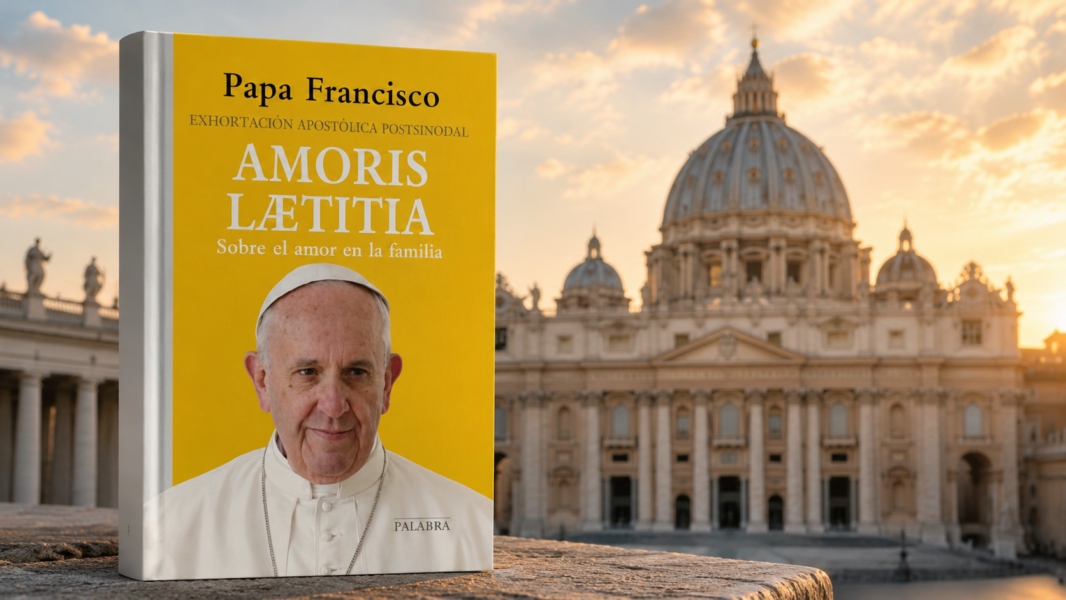
The Vatican has published this Monday the thematic itinerary that will serve as the basis for the meeting that Pope Leo XIV will hold from 7 to 14 October 2026 with the heads of the Eastern Catholic Churches sui iuris and the presidents of the episcopal conferences from around the world, on the occasion of the tenth anniversary of the apostolic exhortation Amoris laetitia.
According to the text, the meeting aims «to proceed, in a climate of mutual listening, to a synodal discernment on the steps to be taken to proclaim the Gospel to today’s families, in the light of Amoris laetitia and taking into account what is being carried out in the local Churches».
Five areas of reflection
The itinerary is structured around five major themes that will shape the working sessions of the meeting.
The first will be dedicated to «Today’s families: reality, beauty and challenges», with the purpose of analysing the current situation of families from the pastoral experience of the local Churches. Among the issues highlighted are job and housing insecurity, illness, the education of children, emotional loneliness, and the care of elderly people or those with disabilities.
The second block will address «Young people and the discovery of the vocation to marriage». The document notes that, in many places, young people’s confidence in the possibility of building a stable marital project has weakened for economic, social and cultural reasons, and raises the need to reflect on the paths of accompaniment and formation towards marriage.
The first years of marriage and situations of difficulty
The third theme will be dedicated to the first years of married life, considered a decisive period for consolidating the conjugal bond and facing the first stages of family life.
The fourth section will focus on families going through situations of difficulty. Among the issues raised are the accompaniment of people living through experiences of suffering, abandonment, separation or divorce, as well as reflection on how to build Christian communities where these people can feel heard and participate in ecclesial life.
The family as a subject of mission
The fifth and final axis of work is entitled «Christian families, subjects of the Church’s mission». The document affirms that families are not only recipients of pastoral action, but also protagonists of evangelisation.
It also recalls the words of Saint Paul VI in Humanae vitae: «Spouses themselves become guides for other spouses». The text also underlines that the family remains the first sphere for the transmission of the faith and raises how to strengthen its contribution to the evangelising mission of Christian communities.
The meeting will be held in Rome between 7 and 14 October and will bring together representatives of the Eastern Catholic Churches and of the episcopal conferences from around the world to share pastoral experiences and reflect on the application of Amoris laetitia ten years after its publication.