


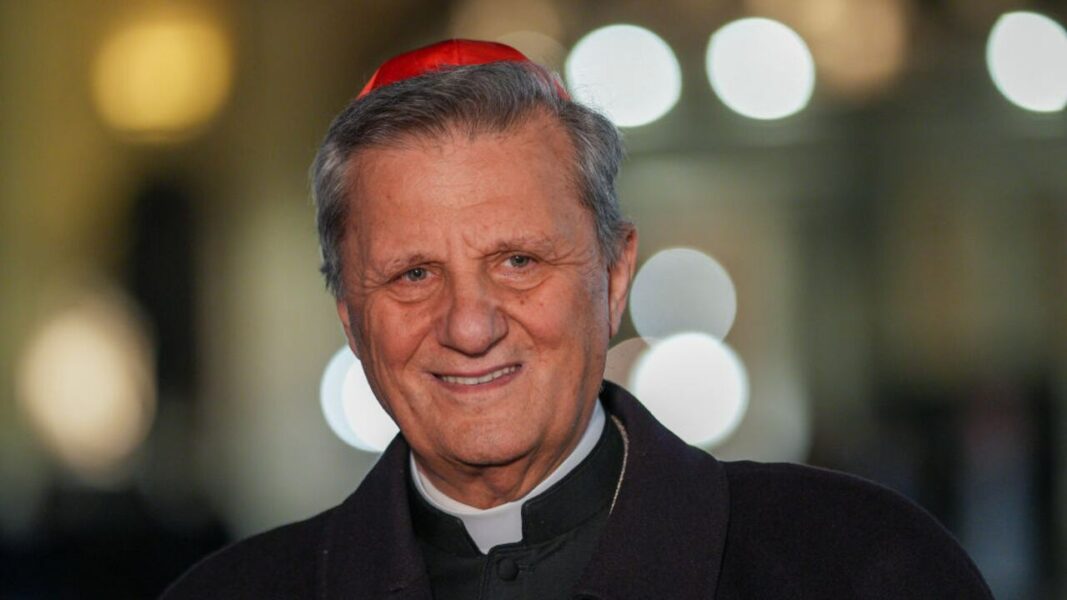
Cardinal Mario Grech, Secretary General of the General Secretariat of the Synod, devoted his address at the fourth session of the extraordinary consistory to the implementation phase of the synodal process. The cardinal maintained that this stage should not be understood as a mere execution of decisions previously adopted, but rather as a process aimed at allowing the intuitions that emerged during the synodal journey to mature in the life of the Churches.
Grech recalled that when the Synod on Synodality began in 2021, “few would have imagined the breadth of participation it would generate.” He explained that numerous ecclesial realities took part for the first time in processes of listening and discernment, following diverse paths and also facing difficulties and resistance.
The Secretary General of the Synod stated that the current phase will allow the Churches to exchange experiences and strengthen the sense of belonging to the one People of God. Nevertheless, he noted that this process will unfold at different rhythms in each place, since the synodal orientations must be translated into different cultures, institutions, pastoral practices, and ecclesial relationships.
With this objective in mind, he recalled that the General Secretariat of the Synod has designed an itinerary that will culminate in the ecclesial assembly scheduled for October 2028. He indicated that this journey seeks to foster an increasingly intense dialogue among Churches from different geographical and cultural contexts. In this process, he attributed to the bishop the responsibility of promoting the participation of the entire People of God, together with the synodal teams, the participatory bodies, the ordained ministers, the religious, the associations, the movements, the formative institutions, the families, and the young people.
The four verbs of the process
Grech explained that the implementation phase is articulated around four verbs: “to remember,” welcoming what was lived during the synodal journey; “to interpret,” in order to identify the dynamics and issues that emerged; “to orient,” with a view to opening new perspectives; and “to celebrate,” placing the journey undertaken at the service of the Church’s unity.
The cardinal also addressed the relationship between the consistory and the synodal process. He affirmed that the meeting of the College of Cardinals should develop from an ecclesial spirituality of a synodal character and defined the consistory as an expression of collegial communion around the Successor of Peter, while the synodal assemblies represent the communion of the particular Churches.
In the final part of his address, he recalled that both the cardinals who preside over particular Churches and those who carry out their ministry in the dicasteries of the Roman Curia share the responsibility of safeguarding ecclesial communion and supporting the Church’s mission. In that context, he presented synodality as an instrument for listening to the questions of the contemporary world and jointly discerning the steps the Church must take during this new stage of the synodal process.