


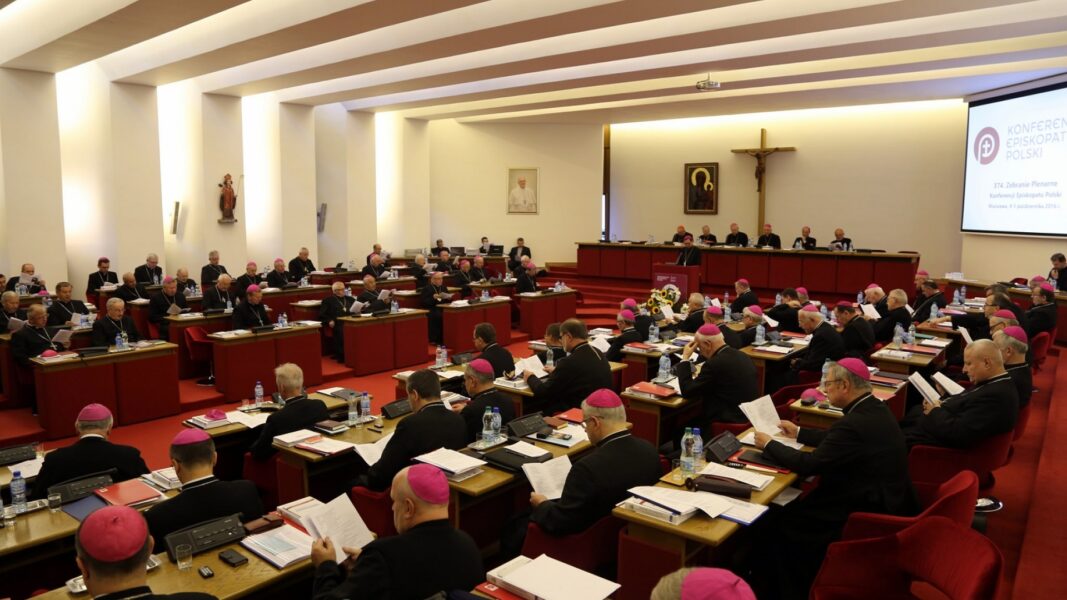
The invitation from the Polish Episcopal Conference to visit synagogues on the occasion of the 40th anniversary of the historic visit of St. John Paul II to the Rome synagogue has been rejected by a significant number of priests and faithful in the country, generating strong internal controversy in the Church in Poland.
The proposal, included in a pastoral letter disseminated in March, aimed to recall the gesture of the Polish pontiff and emphasize the relations between the Catholic Church and Judaism. However, in numerous parishes the document was not read during Mass, in some cases by express decision of the priests and, in others, due to lack of acceptance among the faithful.
Widespread Rejection in Parishes and Academic Circles
Various critical voices maintain that the opposition has been majority. Professor Dariusz Oko, from the Pontifical John Paul II University of Krakow, stated to the German media outlet Katholish.de that a large part of the clergy and the Catholic academic sphere considers the content of the text inappropriate, even accusing the bishops of straying from traditional teaching.
Although there are no official data quantifying the rejection, the refusal of many parish priests to read the letter has been one of the most visible signs of the discomfort generated. Some priests have also pointed out that the reading of the document was not formally imposed, which has facilitated its omission.
Content of the Pastoral Letter
In the text, the bishops recall the importance of John Paul II’s visit to the Rome synagogue in 1986, considered a milestone in the rapprochement between Catholics and Jews. The letter also highlights the value of the conciliar declaration Nostra aetate (1965), which marked a turning point in these relations.
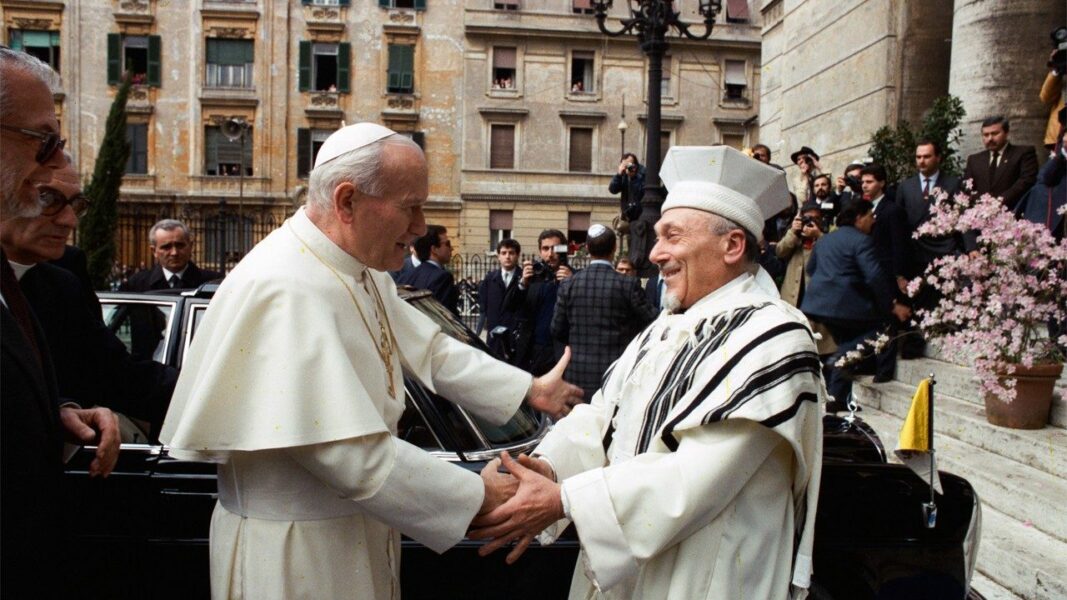
The document insists that antisemitism constitutes a form of “lack of love” incompatible with the Christian faith and recalls that the Jewish people maintain a special bond with God. In this sense, it affirms that “Israel remains the chosen people” and rejects the attribution of collective guilt to the Jews for the death of Christ.
Likewise, it invites the faithful to deepen their understanding of the Jewish roots of Christianity and proposes, in some cases, visits to synagogues as a gesture of knowledge and rapprochement.
A Reception Problem Within the Church
The controversy has highlighted an evident distance between the episcopal guidelines and their reception in broad sectors of the clergy and the faithful.
Cardinal Grzegorz Rys, one of the promoters of the letter, has attributed the conflict to a lack of knowledge of the Church’s recent teaching on these issues and has defended the need to strengthen formation in this area.
Tensions Around the Interpretation of the Magisterium
The bishops have defended that the content of the document does not introduce novelties, but rather limits itself to reiterating teachings present in the Church’s recent magisterium and in documents from the Holy See.
Cardinal Grzegorz Rys, one of the main promoters of the text, has pointed out that the controversy reveals a lack of knowledge of these teachings among the faithful and has called for strengthening formation in this area.
But beyond the specific content of the letter, the situation reflects a broader tension regarding how the teachings that emerged after the Second Vatican Council are interpreted and applied in practice. While the bishops insist that the document merely reiterates the recent magisterium, the rejection in parishes and among the faithful shows that there is no homogeneous reception of these guidelines.
A Proposal That Has Not Been Embraced
Despite the criticisms, the Episcopal Conference maintains the validity of the pastoral letter as a religious reflection, not political, aimed at recalling central elements of the Church’s teaching on Judaism and promoting greater understanding between both traditions.
But the reality is that the invitation to visit synagogues, presented as a gesture of memory and rapprochement, has not found significant support in a large part of the ecclesial base, resulting in a situation in which the episcopal proposal has been left without practical application and evidencing a gap between the episcopate and the response of priests and faithful in Poland.