


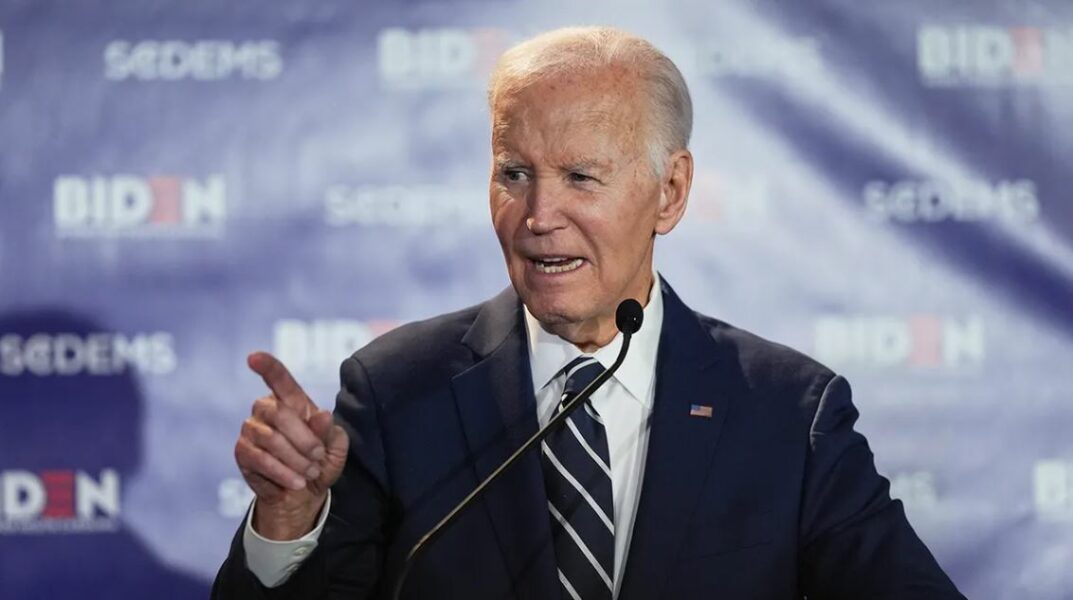
A report from the U.S. Department of Justice has revealed that the FBI promoted the surveillance of traditional Catholics during the Joe Biden Administration, based on reports from ideologically biased organizations and alleged threats that were later deemed unfounded.
The document, prepared by a task force against anti-Christian bias and released this week—according to New York Post—details how investigations were initiated against priests and Catholic communities linked to tradition, including environments related to the Latin Mass.
An FBI memo targeting traditional Catholics
The report identifies as the starting point an internal FBI memo, dated January 2023, which proposed monitoring Catholics classified as “radical traditionalists.”
This document, distributed to several offices, relied on reports from external organizations with an ideological profile and established a link between certain expressions of traditional Catholicism and potential risks of radicalization.
Investigation of priests and communities
Based on that memo, federal agents initiated investigations that reached a priest and his environment, after an individual with a criminal background passed through his parish.
According to the report, the investigation expanded beyond the specific case, including the creation of profiles on a chapel linked to the Society of Saint Pius X (SSPX), with no connection whatsoever between the religious community and the individual’s criminal activities.
The document emphasizes that the priest’s lack of immediate cooperation, as he sought legal advice before responding, was interpreted as suspicious and used as a basis to deepen the monitoring.
A pattern of suspicion toward traditional Catholicism
The report concludes that these actions reflect an approach that associated certain expressions of Catholicism—especially those linked to liturgical and doctrinal tradition—with potential risks, without sufficient basis.
This approach is particularly significant at a time when communities tied to the traditional Mass have been the subject of growing attention in various spheres.
A broader context of pressure on Christians
The document frames these actions within a broader policy that, according to its conclusions, affected Christians attempting to live according to their faith on moral issues such as abortion, gender ideology, or conscientious objection.
In this regard, it also denounces judicial processes against pro-life activists, as well as pressures on healthcare professionals and educational centers for maintaining positions consistent with Christian doctrine.