


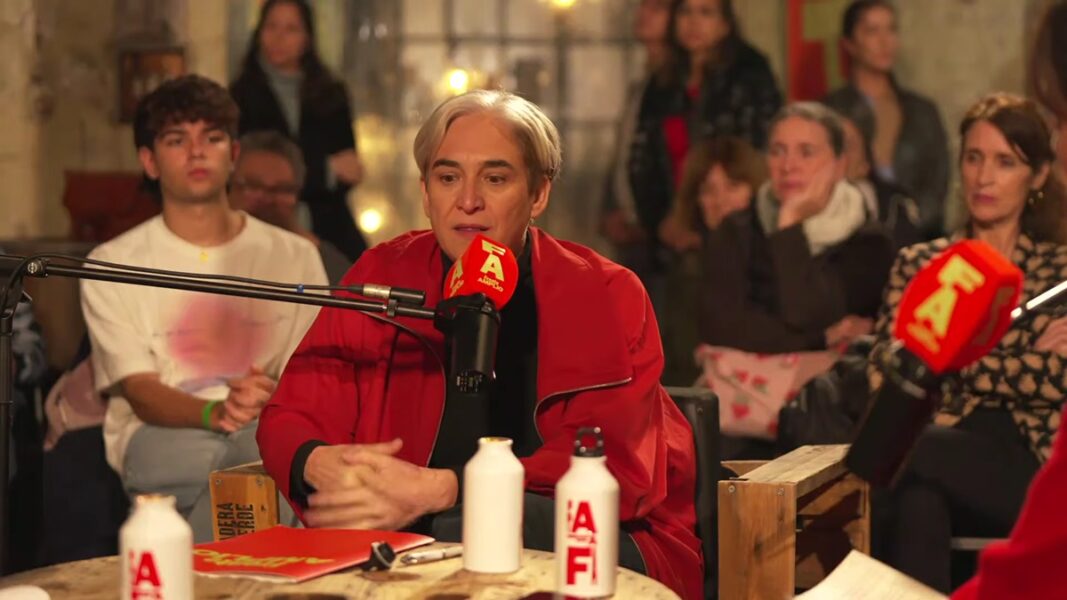
The Workers’ Brotherhood of Catholic Action (HOAC) has published, five days before the November 29 elections, an analysis of the programs of five parties in light of the Church’s social doctrine that places Frente Amplio and Podemos at the top and leaves PP and Vox in the last positions. According to El Debate, which released the study on Tuesday the 24th in the afternoon, the organization explains that the method and analysis were prepared with the support of artificial intelligence and were later reviewed and edited by the editorial team of Noticias Obreras, its communication organ.
The scores, out of ten, are as follows: Frente Amplio, 7.7; Podemos, 7.3; PSOE, 6.7; PP, 5.1, and Vox, 2.9. The party in which Ada Colau participates is, according to the text reported by El Debate, the one that «obtains the greatest correspondence with the Social Doctrine of the Church» among the five examined.
HOAC is careful to present the work as a voting directive. «We do not intend to establish which party is more Catholic or to replace the conscience of those who must exercise their right to vote», it warns. The effect of the ranking, however, is to place two alternative left-wing parties as the closest to social teaching and Vox as the most distant.
The analysis itself acknowledges, according to El Debate, that Frente Amplio defends constitutionalizing abortion and guaranteeing euthanasia and assisted suicide. These positions do not prevent it from topping the ranking. The newspaper points out that HOAC does not seem to give them much importance in the final calculation, despite the fact that Benedict XVI placed the defense of life from conception to natural death among the non-negotiable principles for Catholics in public life.
Regarding Vox, on the other hand, the study states that its positions enter into «open contradiction with the words pronounced by Leo XIV in Arguineguín», in reference to the Pope’s speech on immigration during his visit to the Canary Islands in June. The analysis does admit, however, points of convergence with social doctrine in the defense of life, palliative care, and family support policies included in Vox’s program.
Podemos does not come out unscathed either. HOAC notes its proposal to prohibit religious leaders from speaking from the Congress podium, with explicit mention of Leo XIV, and rejects it: «In our judgment, excluding them on that basis impoverishes dialogue».
The study comes during a campaign in which the bishops have not managed to issue a common message. The Plenary Assembly of the Spanish Episcopal Conference did not approve the note on the 29N that was put to a vote and opted to refer the faithful to the Pope’s speech in the Cortes. Since then, statements from bishops, departments, and movements on their own have multiplied, with sometimes opposing orientations: six Catholic Action movements from the Canary Islands asked not to vote for parties that promote hatred, and the bishop of that diocese, José Mazuelos, later published a note that places life first among voting criteria.
El Debate recalls that Pastoral Obrera depends on the Episcopal Commission for Social Pastoral and Human Promotion, chaired by the bishop of Córdoba, Jesús Fernández González. The newspaper does not report any reaction from the bishops to HOAC’s analysis.
Read also