


The percentage of Ibero-Americans who identify as Catholic has fallen from 80% in 1995 to the current 55%, according to the report «Religion in Latin America, 1995-2025/2026», published by the corporation Latinobarómetro in the context of the Pope’s visit to the region. The decline, of 25 points in three decades, covers the 17 countries analyzed and is very uneven from one to another.
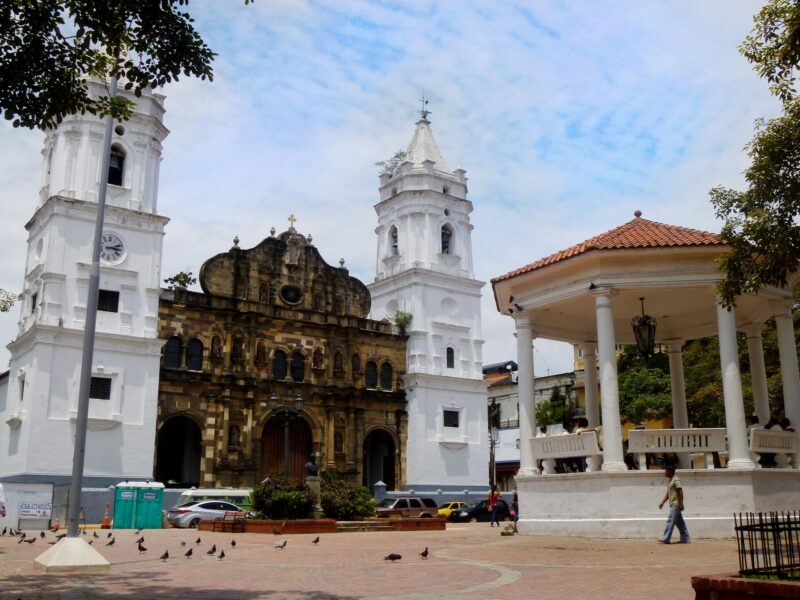
Panama registers the largest drop, going from 89% to 46%, while Mexico is the country where it recedes the least, from 77% to 69%. According to the study, Catholicism remains the majority, with more than 50% of respondents, in nine of the 17 countries. In the rest, the proportion of Catholics falls below half.
Evangelicals and people with no religion gain ground
The report notes that evangelical churches now represent 19% of the region’s population, with a particularly high presence in Honduras (44%), Guatemala (43%) and El Salvador (42%). Meanwhile, those who declare having no religion, a category that includes atheists and agnostics, have gone from 4% in 1995 to 16% today, according to the study’s data.
The most secularized countries are Uruguay, where 49% do not identify with any religion, and Chile, with 27%. Latinobarómetro also points out that this group has a greater presence among young people.
Trust in churches drops nine points
Trust in churches stands at 63% in 2025/2026, compared to 72% in 1995. In contrast, religious practice remains relatively stable: 53% of Latin Americans declare themselves practicing or very practicing. Among evangelicals that proportion reaches 62%, while among Catholics it is 48%.
The figures come from a 31-year historical series by Latinobarómetro, which measures the religious self-identification of respondents. The full report is disseminated under the heading of the Pope’s visit to Latin America, a trip that has taken Leo XIV through Argentina and Peru, among other destinations, before crowds of the faithful.