


The confirmation of a pulmonary adenocarcinoma during the intervention on Leo XIV places his recovery in a scenario that calls for caution. The doctors have removed the lower lobe of the right lung, a wider resection than the isolated removal of a nodule, to ensure complete elimination of the lesion. The operation concluded without complications, but the definitive analysis will determine whether additional treatment is needed and his progress will condition the planned trip to South America in November.
According to the report released by Vatican News, pre-operative tests already suggested an adenocarcinoma. The tissue examination during the procedure confirmed that diagnosis. The team led by Stefano Margaritora performed a lobectomy using video-assisted surgery; the intervention lasted about 90 minutes and the Pontiff returned to his room after waking normally. These data describe a favorable immediate surgical outcome, although they still do not allow for a definitive oncological prognosis.
The diagnosis while the patient remains in the operating room
Intraoperative analysis allows a sample to be studied while the operation continues and the patient remains under anesthesia. The surgeon sends tissue to the pathology service, where a specialist examines it under a microscope and communicates the findings to the surgical team. A common technique is frozen section biopsy: the sample is frozen, cut into very thin slices, and stained to observe the cells. This information can guide decisions on how much tissue to remove. Mayo Clinic explains that the procedure allows for extending a resection when results advise it, even up to performing a lobectomy. In the case of Leo XIV, the communiqué confirms the intraoperative examination, but does not specify the technique or clarify whether the lobe removal was planned or decided after knowing the result.
A lobectomy involves removing an entire lobe, not just the nodule. It is, therefore, a significant operation, although it may be part of the standard treatment for a small and localized cancer. The choice depends on the size, location of the lesion, and lung function, among other factors. The goal is to achieve adequate removal, and the extent of the resection does not by itself prove that there was advanced disease. Video-assisted surgery reduces the size of the chest accesses, but does not change the fact that an important portion of the lung has been removed.
The definitive report will decide if more treatment is needed
Confirming that the lesion is cancerous makes it necessary to assess whether surgery alone is sufficient or whether additional treatment should be added. The definitive analysis will specify the tumor characteristics, the status of the margins, and, when removed, the lymph nodes. According to the American Cancer Society, some early-stage tumors that are completely removed can be treated with surgery and surveillance, while higher-risk cases may require chemotherapy, immunotherapy, or targeted drugs. With the information published, it cannot be stated that Leo XIV will need chemotherapy, nor that additional treatment is likely solely because it is an adenocarcinoma. That decision will depend on the pending results and his general condition.
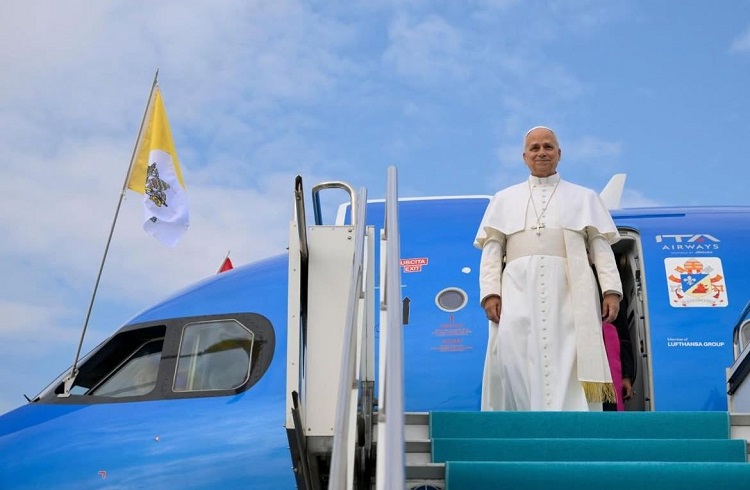
South America, barely 24 days after the operation
Recovery raises an immediate question about the Pope’s schedule. The program announced by the Vatican includes visits to Uruguay, Argentina, and Peru from November 6 to 17, with ten cities in twelve days. The departure would occur only 24 days after surgery. The British Thoracic Society notes that some centers recommend waiting four weeks after drain removal before undertaking non-essential flights. For essential travel, it contemplates shorter periods, always subject to the type of intervention and the surgeon’s judgment. Added to this is the risk of thrombosis on long journeys associated with recent surgery and cancer, as indicated by the U.S. CDC.
With that margin, it would be prudent to consider postponing the trip or substantially reducing his commitments. This is an assessment based on general recommendations, not a decision announced by the medical team. The ability to withstand a long flight must be evaluated together with the demands of the full tour: successive travel, public events, and limited opportunities for rest. The success of the intervention is favorable news; respiratory and physical recovery, along with the definitive oncological report, must determine when and with what intensity the Pontiff can resume his activities.