


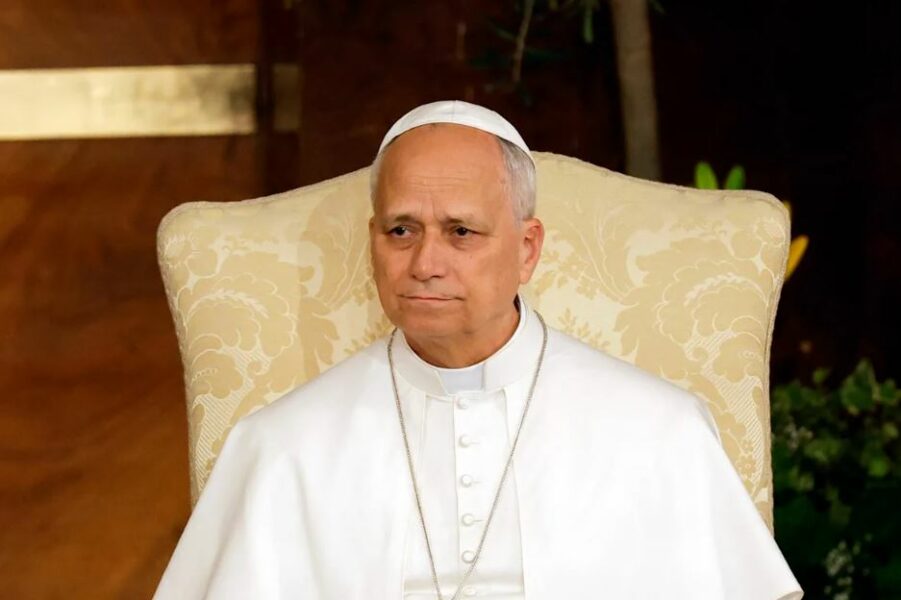
The first encyclical of the pontificate of Leo XIV, titled Magnifica Humanitas, will address the moral and anthropological challenges posed by the advance of artificial intelligence and will warn of the risk of progressive “dehumanization” caused by the disordered use of technology.
The Italian newspaper La Nuova Bussola Quotidiana has previewed some contents of the encyclical, signed by the Pope on May 15, coinciding with the 135th anniversary of Rerum Novarum by Leo XIII.
According to the published preview, Leo XIV maintains that humanity is at a crossroads in the face of the current technological revolution: to choose a logic of self-sufficiency dominated by technique or to preserve a vision of the person grounded in human dignity, moral responsibility, and solidarity.
The Incarnation as the Christian response
One of the central axes of the document will be the proposal of the Incarnation as a response to the danger of losing the sense of what is human. The Pope argues that the dignity of each person does not depend on their technical or productive capacity, but on the fact of having been created and loved by God.
The encyclical continues some of the reflections that Leo XIV has been making since the beginning of his pontificate on the impact of artificial intelligence, especially on issues related to human dignity, work, and social justice.
In this context, the Pontiff also takes up the legacy of Leo XIII and presents the Church’s social doctrine as a valid tool for addressing the challenges of this new industrial revolution.
Criticism of the attempt to “surpass the human”
The papal text also questions cultural and technological currents that seek to overcome the natural limits of the human being through technical development. In the face of these trends, Leo XIV reclaims what he previously defined as a “healthy sense of measure.”
The Pope’s concern is directed especially toward the consequences of artificial intelligence on human relationships, freedom, and moral responsibility. The encyclical warns of the risk of delegating ethical decisions to algorithms and automated systems, thereby weakening personal conscience.
The ethical use of artificial intelligence
Magnifica Humanitas insists that technological progress must remain subordinate to the common good and respect for the human person. For this reason, Leo XIV proposes that human dignity be the fundamental criterion for evaluating the development and use of artificial intelligence.
The encyclical also addresses the impact of new technologies on war and calls for an ethical use of artificial intelligence in the military sphere, in line with the Vatican’s traditional defense of multilateralism and international peace.
With this document, Leo XIV offers the first doctrinal synthesis of his pontificate and places the Church before one of the central debates of the twenty-first century.