


The Vatican has published advances on the Interim Reports of the ten Study Groups created in 2024 to continue the work of the Synod on Synodality, a process that continues to redefine the internal balances between doctrine, discipline, and governance of the Church. Twenty months after their constitution—and after the death of Francis and the election of Leo XIV—these groups now present a first balance of their works, while the date set for the delivery of the final reports approaches: December 31, 2025, an extension granted by the current Pontiff due to the complexity and breadth of the topics under discussion.
The published documents cover very diverse issues: from the so-called “digital mission” to the participation of women in the Church, passing through ecumenism, polygamy, doctrinal tensions now qualified as “emerging issues”, the role of nuncios, the election of bishops and, for the first time, the liturgy in a synodal perspective, one of the new groups added by Leo XIV after the Synod’s Final Document.
A process that seeks transparency, but that can generate ecclesiological tensions
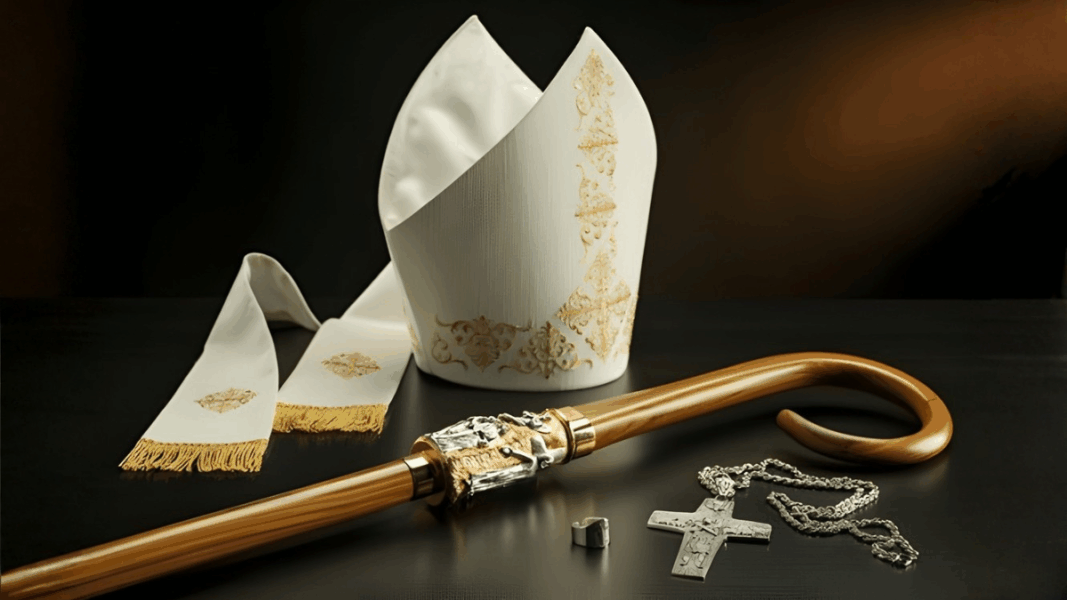
Study Group 7 has presented its interim report on the process of selecting bishops. The stated intention is to improve consultation and strengthen the participation of the people of God, without compromising the decisive role of the Successor of Peter. However, this debate takes place in an ecclesial climate where some sectors—especially in Central Europe—press to transform the episcopal election into a mixed or collegial process, which generates well-founded concern about possible deviations.
The report acknowledges the importance of listening to more voices and allowing qualified faithful to contribute their experience and discernment. But it also warns, albeit timidly, about the danger of expanding participation without clear ecclesial formation, which could turn a spiritual act into a sociological procedure. The Church does not elect bishops by vote or by representative quotas, but by apostolic discernment.
Germany as a warning: when synodality becomes co-governance
Although the report does not mention specific countries, it is impossible to ignore the German precedent. The so-called Synodal Way proposed binding mixed committees in which laity and bishops would decide together on governance issues, including the election of episcopal candidates. The Holy See was forced to intervene on several occasions to halt proposals that implied a break with Catholic ecclesiology.
Read also: New step in German synodalism: they will consult laity to elect a bishop
The German example demonstrates that the expansion of consultation, if not defined with precise limits, can quickly degenerate into a model of co-governance that dilutes episcopal authority and turns synodality into a form of ecclesial parliamentarism. The Church cannot afford to reproduce this model elsewhere.
The selection of bishops cannot become a political process
The Group 7 report rightly emphasizes that participation must be qualitative and not merely quantitative. However, this statement must be translated into firm criteria that ensure consultation does not become politicized or instrumentalized according to local ideological currents. Confidentiality, prudence, and spiritual discernment are indispensable to avoid pressure from interest groups.
The Church needs holy, faithful, formed bishops, capable of teaching with clarity and governing with firmness. Synodality can contribute valuable elements, but it must not alter the essential principle: bishops are chosen by the Pope, not by majorities or by consultative structures that aspire to become deliberative.
The Synod must strengthen unity, not fragment it
The final results of this group will be determinant. The Church needs transparency, yes, but also doctrinal continuity and fidelity to its apostolic tradition. Synodality cannot become a laboratory for experimenting with models foreign to the sacramental structure of the episcopate. The German case must serve as a clear warning: when apostolic authority is diluted, the entire Church is weakened.