


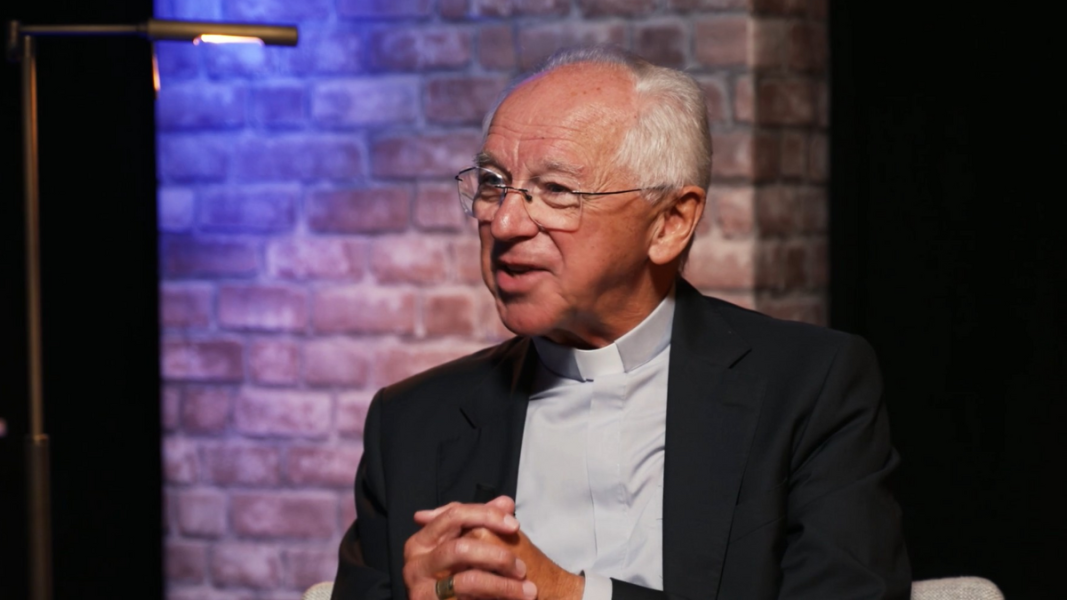
The cardinal Jozef De Kesel, emeritus archbishop of Mechelen-Brussels, has stated that Pope Francis “has left a deeper mark on the Church than his predecessors,” assuring that “there is no turning back” after his pontificate. The statements, offered in an interview with the Belgian network RTBF and reported by Religión Digital, position the Argentine Pope as the architect of a “structural and pastoral” transformation in the contemporary Church.
“The Church, after the Second Vatican Council, no longer wants to be a fortress,”
De Kesel affirmed, defending the Church’s openness toward the modern world.
The cardinal added that Francis has marked “a point of no return,” surpassing even the imprint of John Paul II and Benedict XVI. In his view, the change driven by the current pontiff “has transformed the way the Church understands itself and relates to society.”
A vision of a Church without walls
De Kesel insisted that the Church of the 21st century “is no longer defined by what it prohibits, but by what it proposes.” In his opinion, the strength of faith is not found in doctrinal rigidity but “in dialogue and openness.”
During the conversation, he addressed topics such as the relationship with Islam, freedom, and evil: “Faith consists of taking nothing for granted. Nothing is evident. And that is what amazes me.”
A deep mark, but in which direction?
The words of Cardinal De Kesel reignite the debate about the nature of Francis’s pontificate. When a prelate states that “there is no turning back,” the question arises: is it a deepening of the faith or a shift toward a Christianity adapted to the spirit of the times?
The emeritus archbishop contrasts the fortress Church with the dialogue Church, as if the two were incompatible. However, doctrinal firmness has never been an obstacle to mercy, but its foundation. A Church that abandons its defensive identity against error runs the risk of becoming a disarmed structure, more inclined to please than to evangelize.
Depth is not always a virtue: a well is also deep, but it leads downward. De Kesel and many like him seem to equate openness with progress, without asking whether a Church without walls can still be a refuge.
In the name of dialogue, the Church may end up talking a lot with the world and very little about God. And in that case, the mark left by Francis’s pontificate will indeed be deep… but perhaps difficult to erase.
Source: Religión Digital, “Cardinal De Kesel: ‘Francis has left a deeper mark on the Church than his predecessors’”, October 17, 2025.