


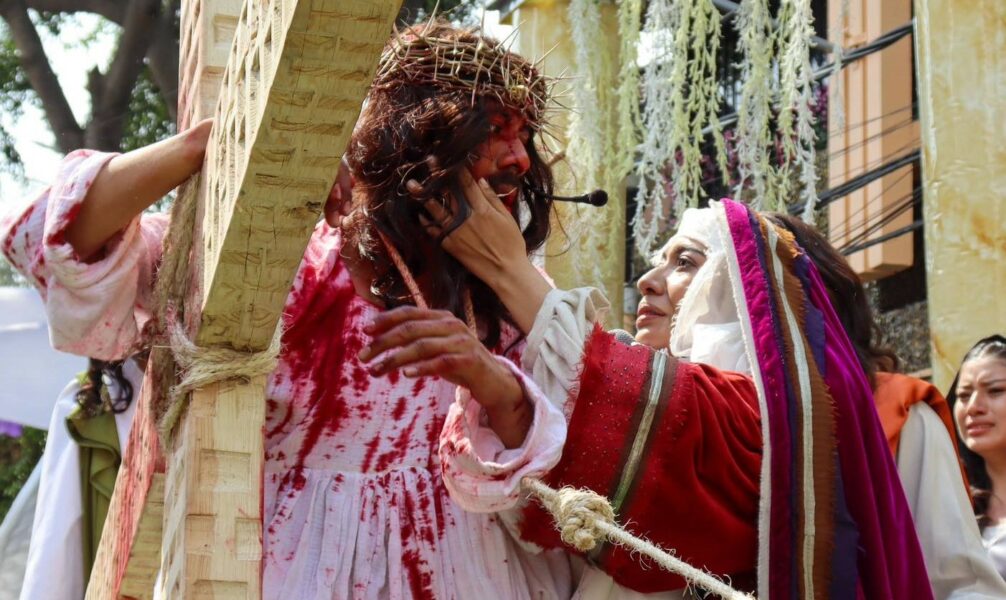
In a cultural milestone for Mexico, UNESCO has inscribed the «Representation of the Passion, Death, and Resurrection of Christ in Iztapalapa» on the Representative List of the Intangible Cultural Heritage of Humanity. The decision, taken during the twentieth session of the Intergovernmental Committee for the Safeguarding of the Intangible Cultural Heritage, held in New Delhi on December 10, recognizes this centuries-old tradition as a living testimony to human creativity, cultural diversity, and community cohesion. This inscription elevates the international profile of one of the most emblematic religious manifestations of Mexico City and seeks, according to its file, to highlight its contribution to sustainability, gender equality, and inclusive economic development.
The tradition dates back to 1833 when it emerged as a promise of gratitude from the inhabitants of Iztapalapa to the Señor de la Cuevita, the image venerated in that area of Mexico City for stopping the devastating cholera epidemic in the Mexico basin. Ten years later, in 1843, inspired by the evangelizing theater introduced during the Spanish colonization, the first scenic representation was performed. Since then, it has evolved from a simple act of thanksgiving to a representation with great liturgical significance and a profound cultural expression of popular religiosity that unites the generations of the original Eight Neighborhoods: San Lucas, San Pedro, San Miguel, San Pablo, San Ignacio, San José, La Asunción, and Santa Bárbara.
Every year, this staging attracts millions of spectators from around the world, turning the streets of downtown Iztapalapa and Cerro de la Estrella into a living stage. The preparation begins in December of the previous year with a community call for selecting actors, followed by intensive rehearsals and logistical work.
The representation itself extends from Palm Sunday to Easter Sunday, recreating key biblical passages: Jesus’ triumphant entry into Jerusalem, the Last Supper, the Washing of the Feet, the Trial, the Way of the Cross, and the Crucifixion. It culminates on May 3 with a ceremony of blessing of crosses at Cerro de la Estrella, reaffirming the original promise and transmitting the tradition to new generations.
The Holy Week Organizing Committee in Ixtapalapa A.C. (COSSIAC), made up of native residents of the Eight Neighborhoods, plays a central role in the organization. Its members, who must have at least five years of prior collaboration, ensure that the tradition remains faithful to its roots while incorporating contemporary elements. The nomination, presented by Mexico and approved unanimously, highlights how the representation transcends its religious origin to become a symbol of cultural identity. In a context of accelerated urbanization, it strengthens social cohesion, promoting values such as solidarity, respect, and the common good. Additionally, it contributes to sustainable development: it is held in protected areas like Cerro de la Estrella, fostering environmental conservation and generating economic opportunities for local artisans who create costumes, sets, and traditional decorations.
According to the nomination file, the tradition has evolved to include gender perspectives, recognizing the role of women not only as actresses but in leadership positions within COSSIAC. This aligns with the principles of the 2003 UNESCO Convention, which emphasizes the safeguarding of intangible heritage as a tool for intercultural dialogue and peace. Mexico, which already has elements such as charrería, traditional cuisine, and indigenous festivals dedicated to the dead on the list, now adds this manifestation, consolidating its position as one of the countries with the greatest recognized cultural diversity at the global level.
The process involved broad community participation, from neighborhood assemblies to the collection of historical testimonies, ensuring the free, prior, and informed consent of the bearers.
However, the inscription also brings challenges. COSSIAC has developed a Safeguarding Plan that includes measures such as the legal registration of graphic elements, the maintenance of urban spaces like the Macroplaza del Jardín Cuitláhuac, and environmental education projects to preserve the huizache used in the Crown of Thorns. Supported by local, Mexico City, and federal governments, this plan seeks to mitigate the impacts of mass tourism, which in 2025 attracted more than 1.5 million visitors and which from this year is already Intangible Cultural Heritage of Humanity.