


The auxiliary bishop of Guadalajara and person in charge of the Episcopal Dimension of Life, Ramón Salazar Estrada, presented the “Mensaje por la Vida 2026”, a document that renews the Church’s commitment to the defense of human dignity “from conception to natural death”. Under the motto taken from Gaudium et Spes –“Through Christ and in Christ the enigma of pain and death is illuminated… Christ has risen; with his death he destroyed death and gave us life”–, the prelate calls for overcoming a merely biological view of health and embracing an “integral care” that encompasses body, spirit, family, and society.
The text, addressed to the faithful, authorities, and health professionals, starts from a clear premise: life is not a negotiable good nor does it depend on the person’s physical, psychological, social, or economic condition. “The Church’s teaching has consistently upheld this fundamental truth”, writes Salazar Estrada, and recalls the recent message from Pope Leo XIV to the Pontifical Academy for Life, where the Pontiff invited humanity to assume “with responsibility the care of health, the promotion of quality of life, and the protection of the most vulnerable from an integral perspective”.
The bishop goes through the different stages of existence to illustrate how this care should be concretized. In the prenatal stage, he demands public policies that support mothers, medical care, psychological accompaniment, and dignified social conditions, in addition to the pastoral closeness of the Church. During childhood and adolescence, he calls for education in values, protection against violence, and accessible health systems. In youth, he highlights attention to mental health in a context of stress, economic uncertainty, and social crises.
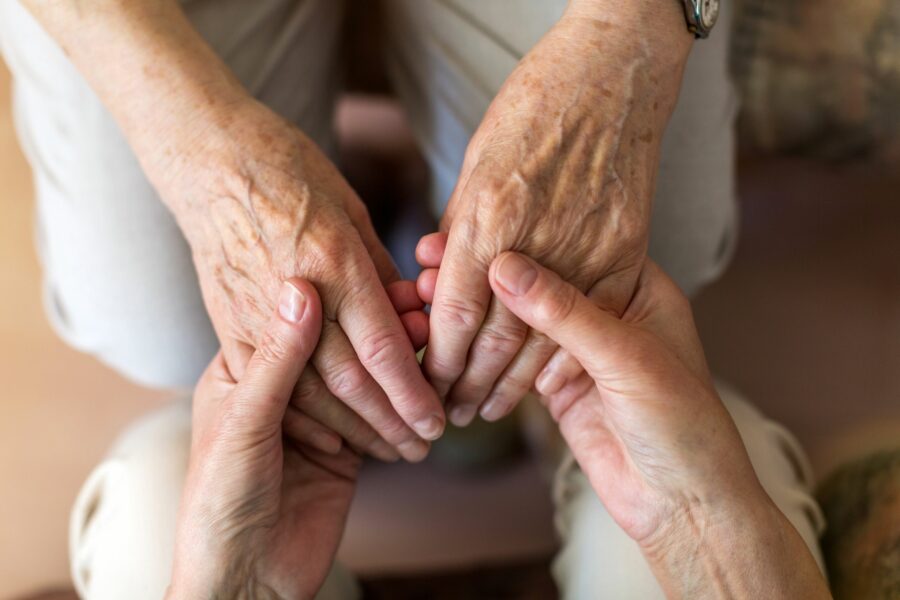
When referring to illness –temporary or chronic–, Salazar Estrada emphasizes that “the dignity of the person does not diminish with the loss of autonomy or productivity”. He rejects both abandonment and euthanasia and proposes palliative care as a “concrete expression of professionalism and charity”. In the stage of old age, he recalls the words of Pope Leo XIV: “a society is measured by the way it treats its most fragile members”, and calls for strengthening family networks and pastoral services that prevent isolation.
The message concludes by affirming that responsibility is shared. “In the personal and family sphere, each individual is called to adopt healthy lifestyles”; in the ecclesial sphere, the community must be a “space of welcome and service”, and in the social and state spheres, equitable access to quality medical services, scientific research oriented toward the common good, and ethical regulation of biomedical practices are demanded.
Ramón Salazar Estrada closes the document with a hopeful invitation: “Only a culture that places the person at the center, recognizing their inalienable value from conception to natural death, will be able to build a truly just and human society”.
With this document, the Church reaffirms its stance on contemporary bioethical challenges –euthanasia, abortion, isolation of the elderly, and mental health crises– and offers an ethical framework that, according to the bishop, is not optional or delegable, but a moral imperative that commits all actors in society.
The full message can be read here: