


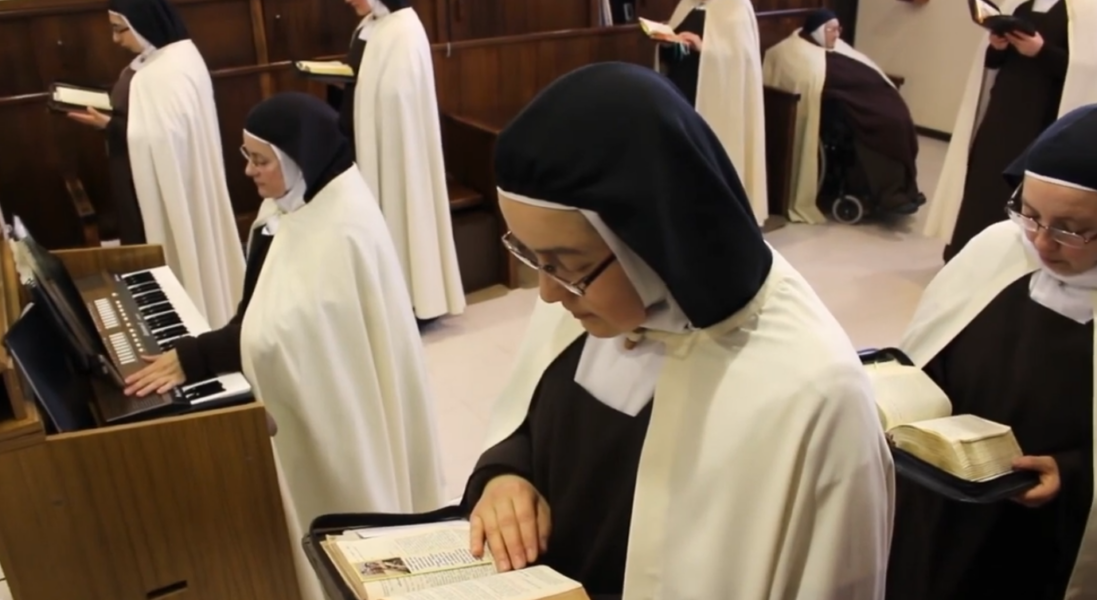
In the framework of International Women’s Day 2026, the world reflects on advances in gender equality, labor rights, and female empowerment. However, within the bosom of the Church, a bimillennial institution marked by a structure led by males, this date compels a critical look at the role of women, particularly consecrated religious women.
In Mexico, where Catholic faith permeates society, the little nuns have been invisible pillars of evangelization, education, and social service, but their current reality reveals a silent and evident crisis, their problems to get ahead, economic crises of the communities, accelerated aging, health precariousness, and lack of structural support that question the real commitment of the ecclesiastical hierarchy to the «sisters».
The ones in Mexico have assumed fundamental roles. From the viceregal era, monastic congregations were powerful in founding schools, hospitals, and orphanages, attending to the marginalized in contexts of extreme poverty. Today, they continue to be the female face of mercy, operating in vulnerable neighborhoods, migration, and care for the sick.
However, recent data present an urgent and alarming panorama. According to a study by the Office for the Integral Development and Health of Religious Women in Mexico, based on 161 institutes from 220 female congregations (out of a total of 295 registered by the Conference of Major Superiors of Religious Women in Mexico, CIRM), up to 2023, the average age of the sisters was 62 years. A quarter of the congregations have members over 50 years old, and only one in ten is under 35. In two decades, vocations could fall by up to 17%, leaving the communities without generational relief.
Religious women face urgent needs that the Church has not prioritized. 92% only seek medical attention after the appearance of symptoms, without preventive policies. In small congregations (fewer than 100 members), cardiovascular, mobility, gastrointestinal, diabetes, and respiratory problems predominate; in large ones, mobility leads, followed by cardiovascular and visual issues. Frequent surgeries include ophthalmological and oncological ones. Many lack access to public health systems, as they do not receive salaries, leaving them in extreme vulnerability.
By 2050, Mexico will see its population over 60 years old surpass the young, with an additional life expectancy of 22 years upon reaching that age, but with the last five marked by disabilities. Five out of ten congregations allocate between 25% and 60% of their annual budget to medical care, exhausting resources for their main mission.
Critically, this situation exposes the fissures in the Mexican Catholic Church. While bishops and priests enjoy more solid structures, such as mutual aid societies, solidarity funds, diocesan health organizations, and even enrollment in social health systems, religious women—often confined to subservient roles—suffer the weight of aging without a safety net.
The lack of adequate spaces for geriatric care, specialized equipment, psychological support, and trained personnel reveals a gender gap in the institution. This omission is not only unfair but counterproductive, without health, the mission fades and initiatives like the Office for Integral Development and Health offer hope that they can break these gaps, as this initiative has trained 430 people in elderly care, provided subsidies of up to 80,000 pesos for surgeries and equipment (hospital beds, wheelchairs), and plans an inter-congregational health center. Additionally, they are developing a website for mapping needs and precise diagnosis.
In conclusion, International Women’s Day must drive a transformation in the Catholic Church. Bishops, in strengthening structures, must offer a precise diagnosis of the state of religious women in Mexico. Only then will consecrated life “age with true hope” honoring the legacy of these women who, despite everything, continue to be light in the darkness. Ignoring them is not only an ethical failure but a betrayal of the message of equality that the faith professes because many messages can be said outward, but inside there are many things that need to be repaired.