


Mexico is sinking into a quagmire of corruption that is no longer disguised. According to the Corruption Perceptions Index 2025 by Transparency International, the country scored just 27 out of 100 and ranked 141st out of 182 nations evaluated. It is the worst historical record in the OECD and one of the lowest in the G20. A one-point “improvement” from the 26 in 2024 fools no one: the perception of institutional rot has stagnated at rock bottom. INEGI confirms it bluntly: in the first half of 2025, 45.2% of Mexicans in urban areas were victims of some corrupt act when dealing with authorities. Corruption is no longer a problem; it is the system itself.
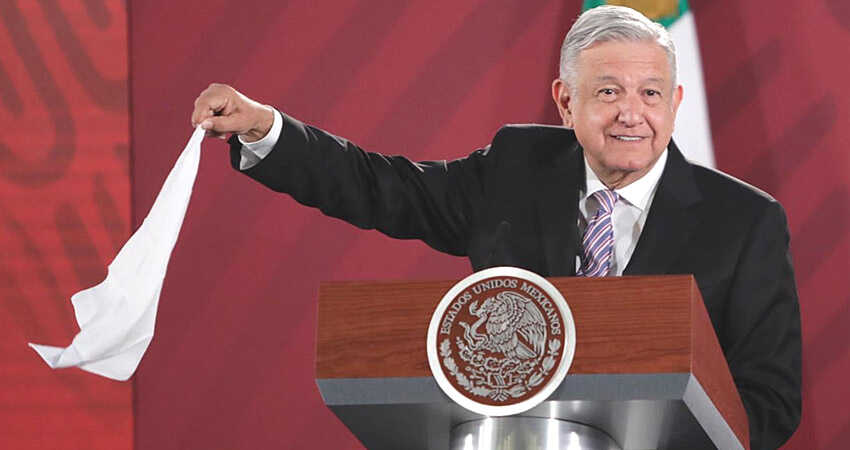
The regime that arrived promising “transformation” and an “austere republic” has instead built a brazen and condoned corrupt kleptocracy. They arrived with the white handkerchief held high and the slogan “we are not the same”. Today that handkerchief is dirty and the phrase sounds like mocking sarcasm. Because what they did was seize power to entrench themselves in it and enrich themselves from it, exactly like those they so criticized.
Huachicol, that scourge sworn to be eradicated with spectacular operations, gasoline shortages, and triumphalist speeches, did not disappear: it mutated and became more sophisticated. Today we talk about fiscal huachicol, an industrial scheme for smuggling fuels through ports and customs that generates millions in losses and operates with the complacency—if not the direct participation—of high-level officials and armed forces commanders. Figures linked to shady businesses and criminal groups are tolerated, protected, and even associated in strategic operations. The message is clear: certain crimes against the national patrimony are negotiable if they benefit the power circle.
Even worse is the scandal of direct contracts awarded without bidding, shielded by the “national security” formula. Billions of pesos are distributed by fiat to favored companies, many of them tied to the same actors appearing in investigations for money laundering, fake invoicing, or criminal ties. Transparency is evaded, competition is mocked, and the people are robbed under the pretext of protecting them. Meanwhile, the regime’s political class displays its cynicism and revels in exorbitant salaries, million-dollar pensions, mansions, private jets, and luxury parties amid the supposed austerity. Extravagance is the norm; scandal, the custom.
In this moral wasteland, the voice of Mexico’s bishops resonates. In their Global Pastoral Project 2031-2033, the shepherds denounce without mincing words “the corruption that gnaws at the entrails of our society,” along with the impunity, violence, and drug trafficking that accompany it. They call for a profound conversion, to recover honesty as an irrenunciable value, and to build, from faith and citizen action, a Mexico where the dignity of people is not bargaining currency. Their denunciation is not political; it is moral. And it hurts more because it is true.
Corruption in Mexico is no longer an endemic evil; it is a project of power. It is tolerated, protected, and rewarded because it sustains the regime and its allies. Certain figures are allowed to continue operating because their businesses—legal and illegal—feed and grease the movement’s machinery. Multimillion-dollar contracts are granted because they ensure loyalty. Obscene salaries and privileges are maintained because the political elite has decided that the people will pay for their orgies and indecencies.
The time has come to say it without euphemisms: the promises of little white handkerchiefs and “we are not the same” were the perfect alibi to do the same—and worse—than the previous ones. Corruption was not fought; it was captured. It was not reduced; it was institutionalized. And as long as society continues to remain silent or resigned, this kleptocracy will continue devouring the future of millions of Mexicans.
The fight against corruption is not a matter of parties or governments. It is an ethical, Christian, and republican imperative. The bishops have said it. Reality screams it. All that remains is for the people, fed up with so much cynicism, to demand with force what has been stolen from them: a decent country.