


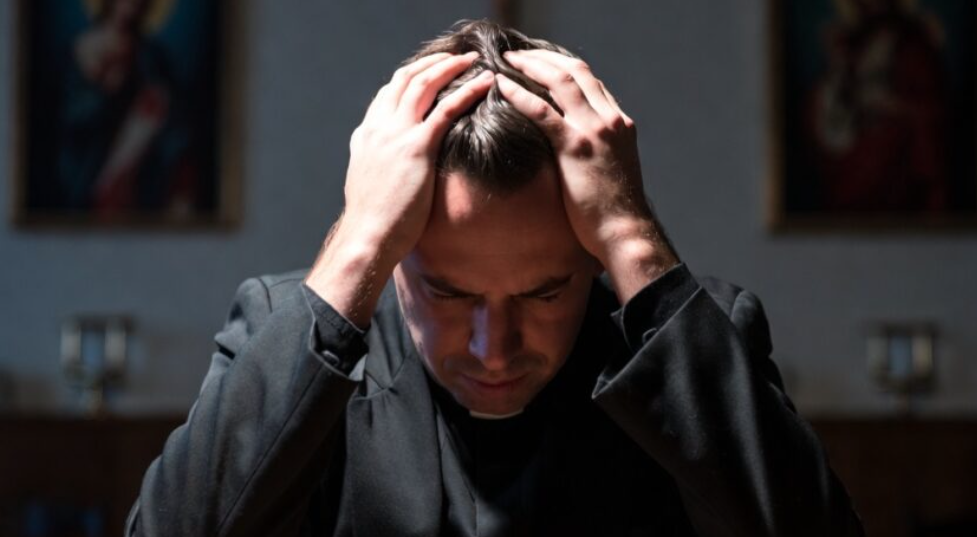
In April 2026, Pope Leo XIV has called upon the universal Church to pray for priests going through health, moral, and spiritual crises. “When loneliness weighs heavy, doubts darken the heart, and fatigue seems stronger than hope,” says the Pontiff in his video message on the occasion of that monthly intention.. The intention is not rhetorical. He asks for healthy friendships, networks of fraternal support, and the grace to rediscover the joy of the Gospel.
The Mexican Episcopal Conference (CEM) has made commendable efforts. Through OCEAS (Work of Clerics in Solidarity Aid), it operates the Priestly Health Program (PS-SAC), a national solidarity system that covers medical emergencies, hospitalizations, consultations, medications, and support in case of death. It operates with diocesan representatives, identification cards, and a mobile application; it is based on agreements signed by the bishops and seeks to overcome individualism with “solidarity, common sense, and simplicity”. It is a real institutional advance that recognizes that the health of the clergy is not a private matter, but an ecclesial responsibility. No one can deny the merit of this structure that seeks to protect those who give their lives at the altar.
However, there are situations that deserve special attention. In Mexico, where the clergy sustains one of the most vibrant Churches in Latin America, the reality of some presbyters contradicts the image of available, balanced pastors and, above all, willing to give their lives for the cause of the Gospel.
There is no doubt that there are saintly and good presbyters and bishops who give their entire existence for the good of souls, but neither can a multifaceted crisis be ignored. There are presbyters who live a double life: they secretly maintain a family that they must support economically, which generates guilt, hypocrisy, and emotional wear that no insurance or social program can cover.
Others have lost faith in the ministry; the day-to-day pastoral work has emptied them until turning the Mass into routine and the sacraments into empty ritual sacramentalism. Painful cases of serious addictions, alcohol or drugs, are not lacking, which are silenced “to avoid scandal.” Depression lurks in the solitude of the sacristies and, in the extremes, suicide is no longer a rumor, but a shadow that some bishops prefer to ignore.
To this are added specific structural crises: priests, clerics, and even bishops who have turned the Church into a business. The priesthood becomes a vehicle for corruption, trafficking of influences, control of resources and, unfortunately, the attitude of certain superiors, bishops or provincials, perceived as distant bureaucrats, as little kings who administer fiefdoms with an iron hand and a heart of stone. Their distance, their authoritarianism, and their desire for control generate in the presbyters a feeling of spiritual orphanhood that multiplies the crisis. When the pastor feels treated like an employee or a subject, how can he shepherd with freedom and joy?
The prayer of Pope Leo XIV is necessary, but insufficient if it remains a pious wish. Praying for priests cannot be a passive act of expectation. It demands a serious commitment of faith that builds living communities, where the laity stops being a spectator and assumes its co-responsibility, but it is necessary for the clergy to realize that the laity are not simply labor.
But it is an exercise in sincerity to recognize that there are aspects to redeem. The Church is not saved by clericalizing its problems more, but by letting it be Church: Body of Christ, People of God on the march. Not an institution governed by clerical power that, under the pretext of “government,” deconstructs communion and hinders the arrival of the Kingdom. If we know a priest in crisis, let us know how to read his attitudes and pray for him; but above all, let us make Church in which the Kingdom is built.
On this centenary of the Cristero War, it is worth remembering and praying for the saintly, good, and dedicated priests and bishops who have passed through our lives and thanking God for the gift of the priesthood that contributes, daily, to making the Church of Mexico alive.