


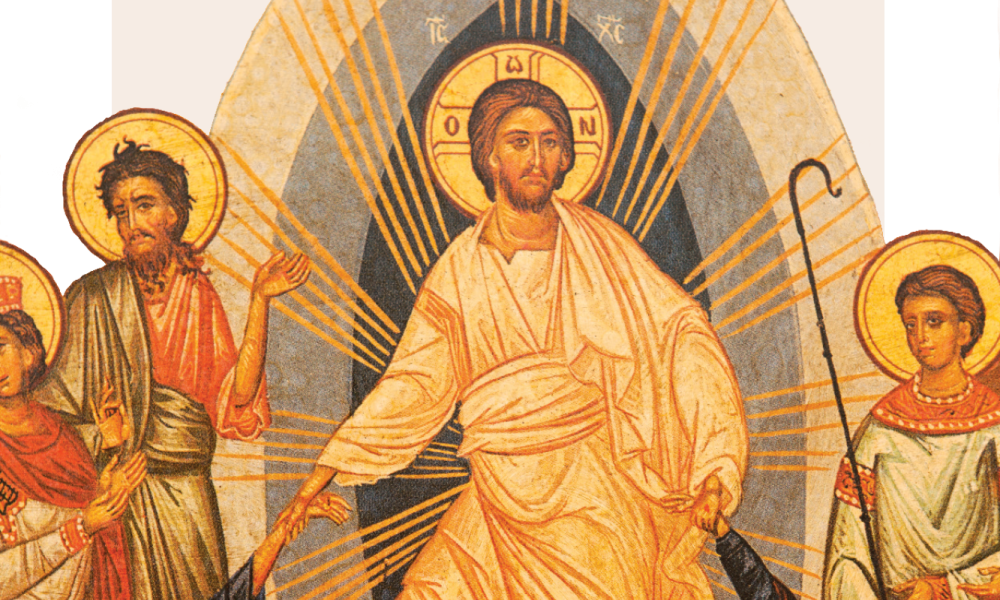
After the mockery, the pain, and all the evil that human beings are capable of inflicting on an innocent, the days of the Passion and suffering have been left behind as a mere memory. The Crucified One did not remain hanging on the cross nor at the mercy of the physical forces that turn a corpse into dust. He has risen. And that announcement, sublime and joyful, springs today from the lips of Christians with a joy that admits no half measures: Christ lives! It is not a poetic symbol nor a spiritual consolation; it is the fact that inverts history, the radical liberation from sin and death.
This Easter joy resonates with particular force in Mexico where the needs and pain of many evoke the days of the Passion. Families shattered by the violence of organized crime, young people without a future trapped in poverty, entire communities that mourn the disappeared and migrants who flee from hopelessness, all of them carry their own cross. The empty tomb does not ignore their suffering; it illuminates it. The Resurrection does not suppress pain, but overcomes it from within. It is the passage from slavery to freedom, exactly as proclaimed in the reading from Exodus in the Easter Vigil: God, through Moses, opens the sea and defeats the corrupt pharaohs to lead his people to the Promised Land.
In the Mexican reality, that Easter becomes an urgent call. The current politicians of the regime, with their rhetoric of progress and promises of prosperity, act like the pharaohs of old, they harden their hearts to the cry of the oppressed, protect privileges and tolerate impunity while the people suffer. Corruption is not a lesser evil; it is the new slavery. The “culture of death of well-being” —that new form of disguised politics— pretends to procure good for Mexico, but covers up the lie, impunity, and privileges at the expense of those who suffer the most, creating appearances of prosperity while violence and inequality devour real life.
Benedict XVI, in his 2010 Easter Urbi et Orbi message, warned it with prophetic clarity: “Easter does not consist of any magic.” It is not illusion nor a spiritual trick. It is a true “exodus,” not superficial retouches, but “a spiritual and moral conversion” that begins in consciences. The Pope Emeritus recalled that the Resurrection of Christ is “a new creation,” an event that “has profoundly modified the direction of history, tilting it once and for all in the direction of good, life, and forgiveness.”
And he applied that message directly to Latin American countries, including ours, which suffer “a dangerous intensification of crimes related to drug trafficking”: Easter must be “the victory of peaceful coexistence and respect for the common good”.
Mexican leaders and politicians urgently need to listen to that voice. Speeches of “well-being” that disguise the culture of death are not enough. Easter demands overcoming that false prosperity that hides the lie and privileges. It demands a real exodus, leaving corruption behind as the Hebrews left Egypt, to build a nation where life is respected, justice is the norm, and truth illuminates public decisions.
That is why Christians proclaim with irrepressible joy: Christ has risen! It is not a metaphor. It is a fact. And that fact transforms everything. To the Mexican families who today carry their cross, to the young people without hope, to those who fight against impunity, Easter is their victory because Christ’s Easter is not magic.
The tomb is empty. Death no longer has the last word. May this Easter certainty drive a profound conversion in the national conscience, so that Mexico leaves its modern pharaohs in the grave and walks toward a promised land of justice, peace, and dignified life in Christ who has overcome the darkness of death. He has truly risen!