


The second semester of 2025 marked a period of profound transitions and contrasts for the Catholic Church in Mexico. Following the election of Pope Leo XIV in May, the ecclesial community experienced the beginning of a new pontificate with renewed hope, manifested in Vatican diplomatic visits, episcopal changes, and gestures of unity with Rome. However, the year was also tinged with mourning, as persistent violence claimed the lives of priests and civil leaders, while serious illnesses cut short the existence of shepherds like the Archbishop of Tijuana, Francisco Moreno Barrón. Pastoral initiatives such as the catechetical series “Thy Kingdom Come”—inspired by the Cristero legacy—and initiatives from the National Dialogue for Peace sought to counter social decay, denouncing impunity, extortion, and polarization.
Internal crises emerged, as in the Pontifical University of Mexico and the Basilica of Guadalupe, with dismissals, canonical investigations, and rumors of irregularities that demand transparency. At the same time, popular devotion shone brightly, the canonization of Carlo Acutis inspired youth, and Guadalupan festivities broke attendance records, becoming a celebration of great piety, faith, and hope amid grave demands for justice.
Amid generational changes in dioceses like Tepic and Cancún-Chetumal, and prophetic messages from bishops calling for martyrial memory, Cristero resistance, and pilgrimage toward the jubilees of 2031 and 2033, the Mexican Church closed the year reaffirming its role as the voice of the vulnerable and builder of peace in a wounded country, but illuminated by faith in Christ the King and the maternal protection of the Virgin of Guadalupe.
July 2025
July brought a breath of spiritual renewal to the Mexican Church, with catechetical initiatives evoking the Cristero legacy, unexpected transitions in educational institutions, and strengthened dialogue with the Holy See. In a context of persistent violence, these events recalled the urgency of faith as an anchor for justice and peace.
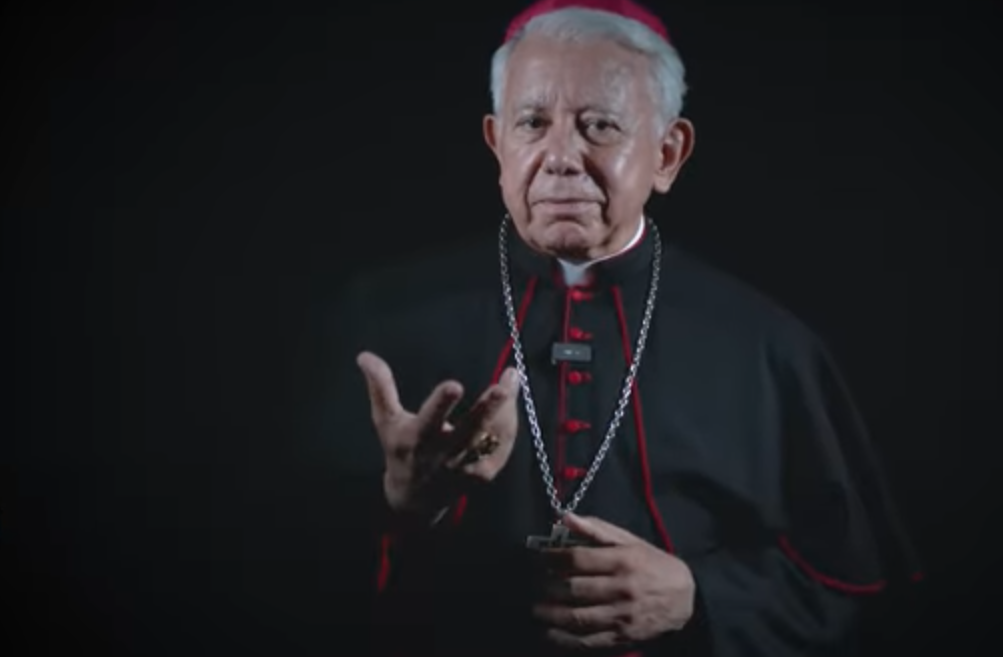
Catechesis with the cry of Long Live Christ the King! CEM President launches the series “Thy Kingdom Come”
The Mexican Episcopal Conference (CEM), presided over by Bishop Ramón Castro Castro, announced a series of catecheses inspired by the centenary of Pius XI’s encyclical *Quas Primas* (1925), which instituted the Feast of Christ the King. Under the motto “Thy Kingdom Come!”, the initiative incorporates the Cristero cry “Long Live Christ the King!” as a call to hope and reconciliation in a Mexico battered by violence, drug trafficking, corruption, and disappearances. The encyclical criticized secular laicism and totalitarianism, promoting the reign of Christ as a source of universal peace. The first catechesis launched by Castro criticizes the situation of millions of Mexicans, families without access to dignified health care, secure work, or education, living in constant fear. It invites to “take up the baton of the Cristero martyrs,” assuming concrete commitments such as incessant prayer, dialogue amid polarization, gestures of peace in homes, and closeness to the vulnerable (victims of violence, the sick, migrants). The catecheses delved into the presence of the Kingdom, with families as the axis, transforming social pain into evangelical action.
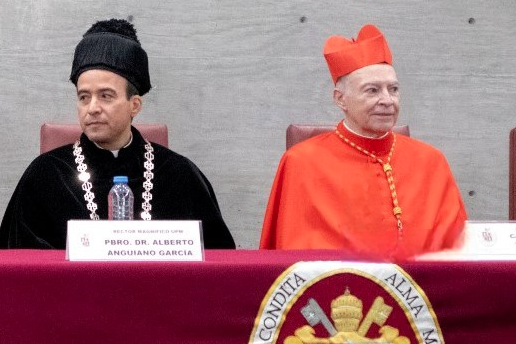
The deposition of the rector
The Pontifical University of Mexico (UPM) announced the sudden deposition of Rector Fr. Dr. Alberto Anguiano García on July 15, 2025, ordered by the Dicastery for Culture and Education of the Holy See. Anguiano, who assumed the role in 2021 succeeding Mario Ángel Flores Ramos, faced criticism for a “collusion of groups” during his management, although he claimed to have a clear conscience. The change, without detailed reasons, generated speculation about administrative irregularities. The Archbishop of Mexico, Carlos Aguiar Retes, as Grand Chancellor; Bishop Ramón Castro Castro, Vice Grand Chancellor; and Nuncio Joseph Spiteri designated Dr. Pedro Benítez Mestre, new rector of the Archdiocese of Tlalnepantla, as interim for two years. The CEM expressed gratitude for Anguiano’s services, but the transition highlights tensions in key ecclesial institutions.
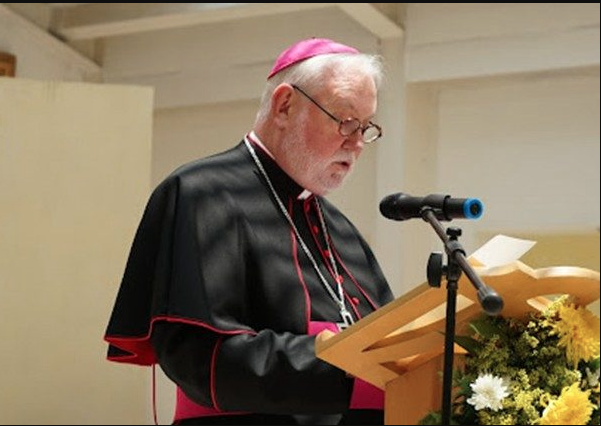
The “Vatican Secretary for Relations with States,” Paul Gallagher in Mexico
Archbishop Paul Gallagher, Vatican Secretary for Relations with States, visited Mexico from July 24 to 29, 2025, to strengthen bilateral ties and advocate for peace and justice. At the “Pope’s Feast” in the nunciature on July 25, honoring the pontificate of Leo XIV, Gallagher highlighted Mexican resilience amid poverty, violence, and corruption, recognizing the historical role of the Church from missionaries like Fray Juan de Zumárraga to the Virgin of Guadalupe as a symbol of unity. He held meetings with Foreign Minister Juan Ramón de la Fuente, Interior Secretary Rosa Icela Rodríguez, and CEM leaders like Ramón Castro, conveying papal prayers for reconciliation. He presided over a Mass at the Basilica of Guadalupe on July 27, emphasizing diplomatic multilateralism for global crises. The visit, postponed due to Francisco’s death, reaffirmed the Vatican’s commitment to integral development in Mexico, in a context of migratory and social challenges.
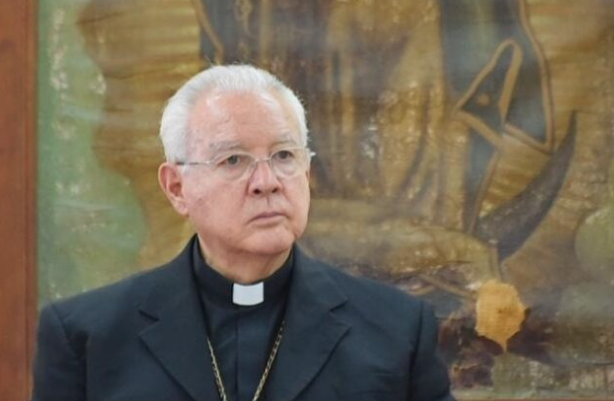
Cardinal begins his jubilee year
The Archdiocese of Guadalajara began the Priestly Year 2025-2026 with a solemn Eucharist in the cathedral on July 20, 2025, to commemorate the 50th anniversary of Cardinal José Francisco Robles Ortega’s priestly ordination (ordained in 1976). Robles, born in 1949 in Mascota, Jalisco, expressed gratitude for the gift of the priesthood, asking for sanctification and vocations. The jubilee fosters prayer and reflection on the ministry, highlighting Guadalajara as a vocational seedbed. Robles, auxiliary bishop of Toluca (1991), of Toluca (1996), of Monterrey (2003), and of Guadalajara since 2011 (cardinal since 2007), has ordained dozens of priests annually and denounced violence and accompanied searching mothers of the disappeared. The community participates in pilgrimages and retreats, with liturgical materials for families and parishes. Robles submitted his resignation upon turning 75, but remains in place by papal mandate at the helm of one of the most influential archdioceses and reaffirmed his service until God disposes otherwise.
August 2025
August revealed the vulnerability of ecclesial shepherds, with stories of miraculous survival, debunking official peace narratives, and updates on serious illnesses. These events underscored the Church’s resilience in the face of endemic violence in Mexico.
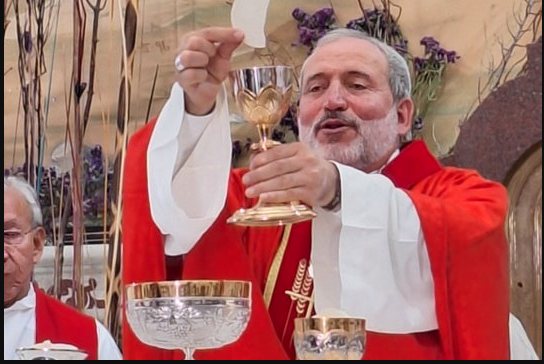
“I almost didn’t make it to my first year as bishop…”
Bishop José de Jesús González Hernández, Bishop of Chilpancingo-Chilapa, shared a shocking testimony about an armed attack that nearly cost him his life in his first year as bishop (2010). During a pastoral visit to the Sierra de Nayarit, his vehicle was ambushed by an armed commando looking for “the mustached one.” Mistaking him for his beard, they fired bursts at close range, but miraculously no one was injured. González attributed his survival to the intercession of the Virgin Mary, to whom he entrusted himself before the trip: “If one entrusts oneself to her, she doesn’t fail.” One of the attackers recognized divine protection upon seeing his pectoral cross: “You have the Almighty.” The bishop blessed the aggressor, who bowed his head. This anecdote, shared in August 2025, highlights faith amid violence, citing the Gospel: “Do not fear, my people… no evil will prevail.” In contexts like Nayarit and Guerrero, where crime forcibly recruits, González urges defending life with evangelical radicalism.
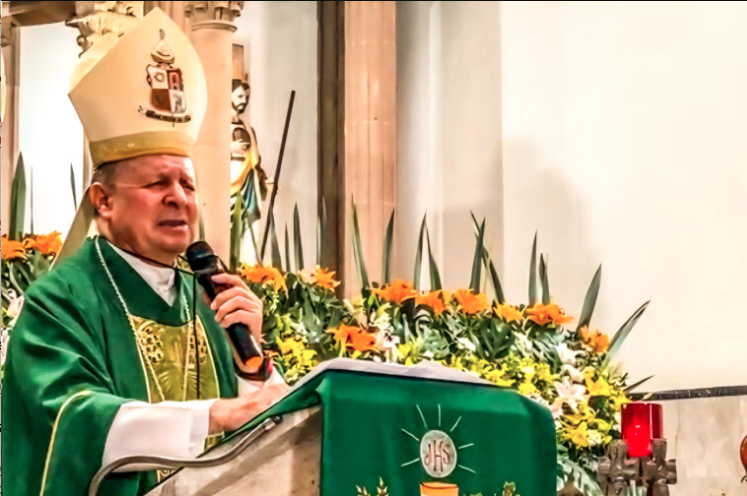
Debunking official peace
Bishop Cristóbal Ascencio García of Apatzingán debunked official claims of peace in Tierra Caliente, Michoacán, stating that no concessions can be made with evil. In a statement on August 19, 2025, he rejected that “nothing happens” and denounced extortions, floor fees, and persistent violence by cartels like CJNG, Los Viagra, and La Familia Michoacana. Daily deaths, disputes with antipersonnel mines and explosive drones, plus forced displacements affect communities that provoke true exoduses fleeing from Tepalcatepec to the United States and attacks emptying towns. Despite the above, the Bishop of Apatzingán continues his incessant visits to communities, spreading the word of peace and consolation to those communities, urging unity against crime that controls territories.
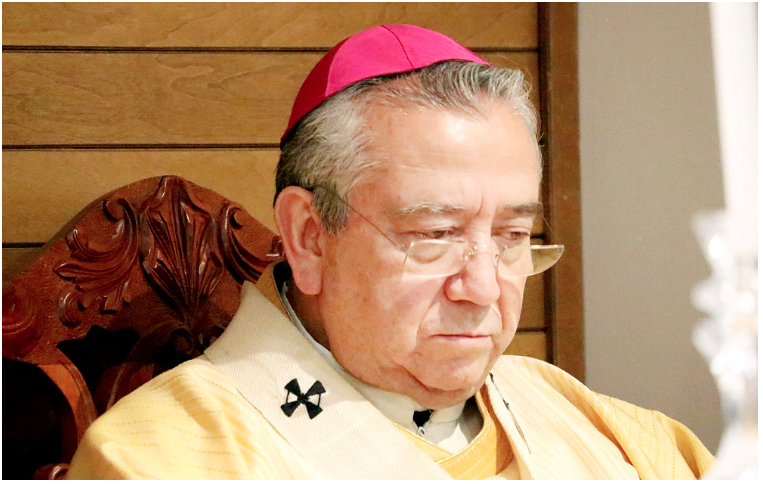
Cancer advances in the Archbishop of Tijuana
Archbishop Francisco Moreno Barrón, 70 years old, acknowledged that his malignant epithelioid mesothelioma, diagnosed in 2022, has advanced to both lungs. After six surgeries, four chemotherapy treatments, and immunotherapy, the results were adverse with intermittent side effects. Moreno began new treatment protocols at the National Cancer Institute, trusting in God and the Virgin: “Here I am, Lord, to do your will” (Psalm 39), despite worsening, he did not abandon his pastoral duties, offering his sufferings for the archdiocese, asking for prayers during the 2025 Jubilee. His ministry since 2016 in Tijuana was marked by humility and defense of migrants.
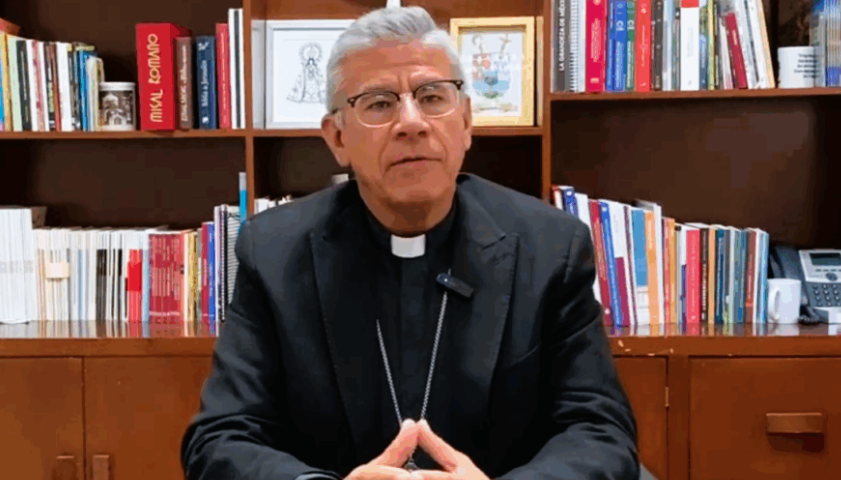
Fresh air for the Diocese of Tepic, generational change
The change in Tepic was announced: Engelberto Polino Sánchez, auxiliary of Guadalajara, succeeded Luis Artemio Flores Calzada as the IX bishop. Polino, 59 years old (born in 1966 in Teuchitlán, Jalisco), studied at the Guadalajara Seminary and was ordained in 1997. His pastoral services have been those of a dedicated shepherd to social issues, vicar, parish priest, dean, and coordinator of Social Pastoral. Appointed auxiliary in 2018, he presides over episcopal commissions on labor and social issues. Tepic, erected in 1891, marks a generational change that relieves the controversial Bishop Luis Artemio Flores Calzada. Polino promises fresh air for challenges like strengthening evangelization and presbytery unity toward revitalization after a long episcopate and reaffirming the influence of the Archdiocese of Guadalajara over one of its suffragan dioceses.
September 2025
September illuminated faith with a millennial saint, strengthened ties with the Vatican, and united religious and business sectors in the search for peace, in a Mexico yearning for spiritual and social renewal.

The canonization of the millennial saint
On September 7, 2025, Pope Leo XIV canonized Carlo Acutis, the 15-year-old Italian youth known as the “millennial saint.” Carlo, a joyful lover of technology and sports, centered his life on the Eucharist, “The more we receive, the more we will resemble Jesus.” He spread Eucharistic miracles online and loved Mary as “the only woman in my life.” His everyday faith, purity, and serenity in the face of leukemia inspired his non-practicing parents. He died in 2006 saying: “I’m happy to die, because I lived without wasting a minute on things that don’t please God.” Leo XIV emphasized that holiness does not depend on age, but on evangelical radicalism, making Carlo a model for youth in modern banality. First-degree relics of this young saint have toured various parishes and Catholic communities in Mexico.
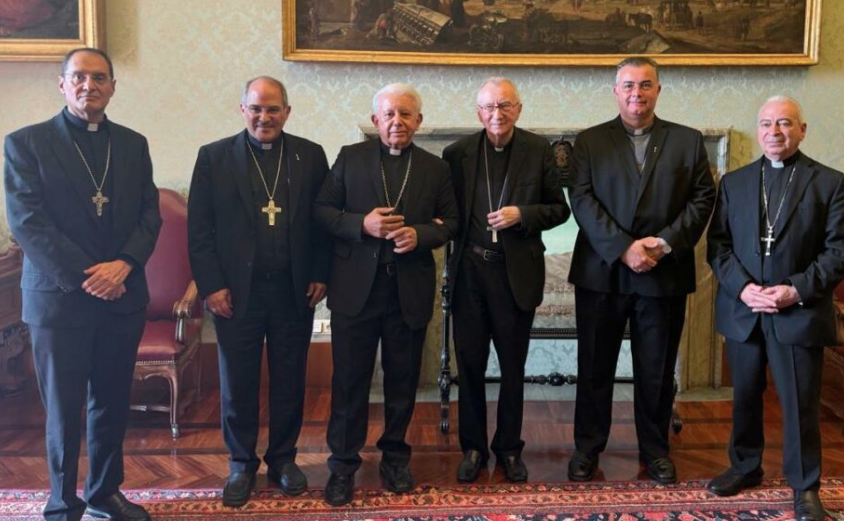
Mexican bishops reaffirm unity with Leo XIV
The Presidential Council of the CEM arrived in Rome on September 14, 2025, to strengthen unity with Leo XIV. The delegation, led by Ramón Castro Castro, included meetings with the dicasteries for Bishops and Human Development, a Eucharist in St. Peter’s on September 16, and a spiritual encounter at the Pontifical Mexican College. Postponed due to Francisco’s death, the visit addressed challenges like migration and violence, reaffirming ecclesial communion. The CEM invited prayer for its success, emphasizing the role of the Mexican Church in universal synodality and, of course, reaffirming the invitation for the new Pope to visit Mexico.
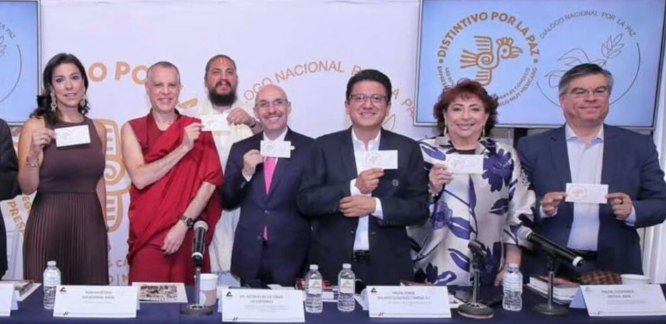
Businesses join the dialogue for peace
Religious and business leaders launched “Businesses for Peace” at Casa Manu, promoted by the National Dialogue for Peace and commercial chambers like CONCANACO, CANACINTRA, and USEM. Among its objectives, they committed to transforming workplaces into ethical, inclusive, and hopeful environments, breaking with violence and corruption. It includes 7 national actions for social commitments and 14 local ones for internal peace. This chapter of peace-building highlighted the business influence on millions as an opportunity to weave and repair the social fabric from workplaces.
October 2025
October was marked by critical balances to the government, mourning for assassinated or deceased ecclesial leaders, and emerging crises in the Basilica of Guadalupe, recalling the Church’s vulnerability in a context of violence and scandals.
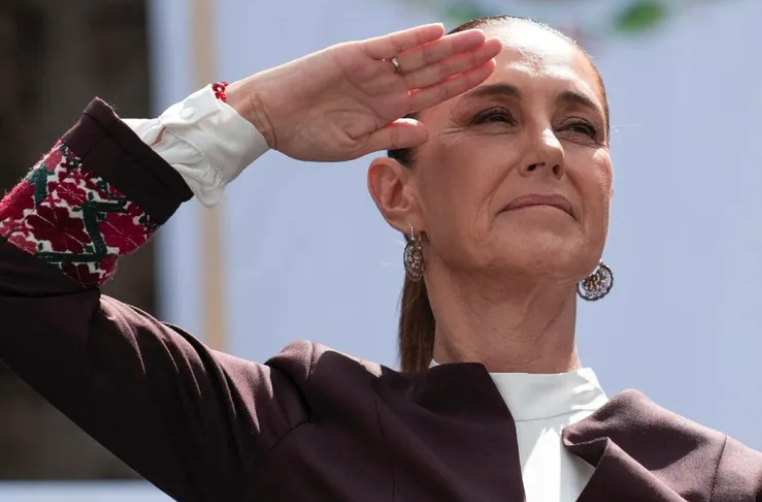
Mexican bishops recognize advances in Sheinbaum’s government; however, problems persist
Following the triumphant acts for the first year of Sheinbaum’s presidency, the bishops of Mexico provided a perspective evaluating the first year of this government with balance, recognizing her election as the first female president, improvements in security against organized crime, reduction of inequality despite low growth, and stable diplomacy. However, poverty persists, corruption as a “cancer,” a judicial reform that is not very democratic, and erosion of freedoms. The bishops urged integral development, strengthening of the Rule of Law, and pluralism, calling for collective commitment to justice and peace.
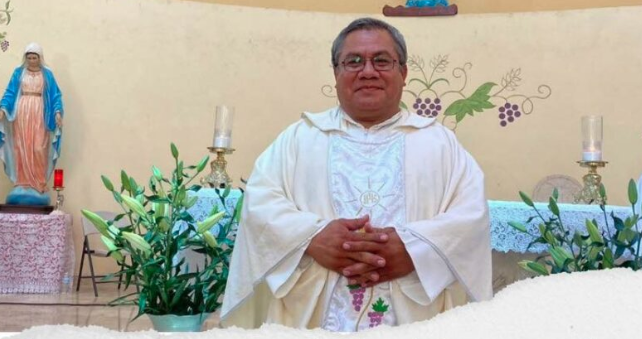
Father Bertoldo Pantaleón, another assassinated priest
Father Bertoldo Pantaleón Estrada, 58 years old and parish priest in Mezcala, Guerrero, was found lifeless on October 6, 2025, with multiple bullet impacts in his abandoned truck. Disappeared on October 4, his murder adds to at least 80 clerics killed in 35 years. The Diocese of Chilpancingo-Chilapa lamented the fact, praying for his rest and demanding justice. Bishop José de Jesús González Hernández accompanied the family, forgiving the culprits but demanding clarification. The Mexican Episcopal Conference expressed condolences and urged exhaustive investigation, highlighting the loss of the sacred in society.
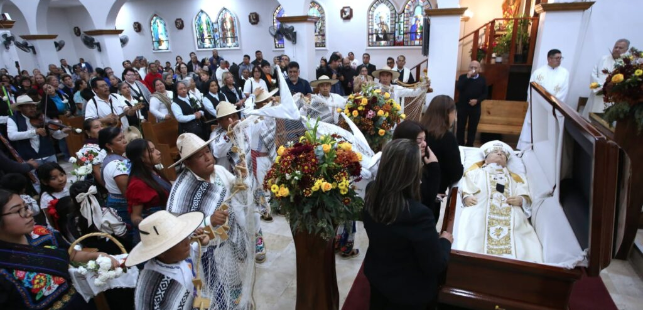
Archbishop of Tijuana loses the battle against cancer
Francisco Moreno Barrón, Archbishop of Tijuana, passed away on October 26, 2025, at 71 years old due to malignant mesothelioma diagnosed in 2022. After intensive treatments, his relapse was irreversible. Born in 1954 in Salamanca, Guanajuato, he served as auxiliary bishop of Morelia (2002-2008), of Tlaxcala (promoting the canonization of the Child Martyrs), and of Tijuana since 2016, noted for humility and defense of migrants. The Mexican Episcopal Conference and the archdiocese expressed sorrow, praying for his legacy of mercy on a challenging border. The exequies were presided over by the CEM president, Ramón Castro Castro, who, in the homily, highlighted Archbishop Moreno Barrón’s trajectory. “Death does not interrupt communion, it transforms it,” said Castro Castro, calling on priests to be “simple and close,” the people to pray for their shepherds, and bishops to greater humility. “Providence will send another guide to consolidate the kingdom in Tijuana,” he prophesied. Under Mary’s intercession, he asked for rest in peace for Moreno Barrón, whose voice “will continue to resonate” until the eternal encounter with the Good Shepherd.
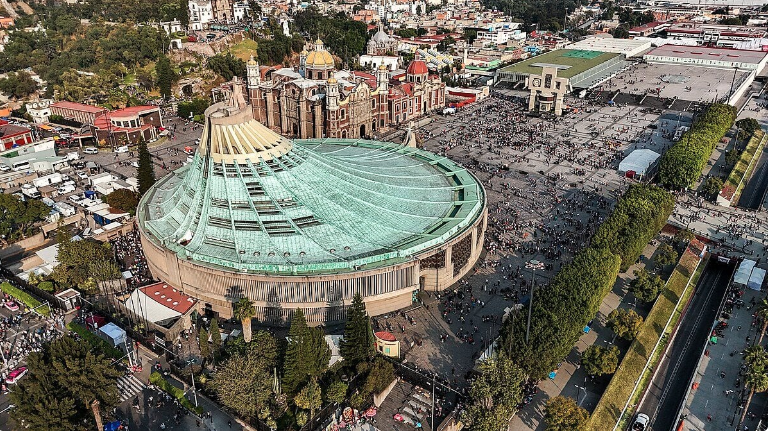
Serious crisis looms in Basilica of Guadalupe
The Basilica of Guadalupe faced internal crises, inexplicable absences of the rector since August 2025, possibly due to conflicts or pressures, leaving the vice-rector in charge. Rumors of irregularities in resources, opaque management, and a mafia of advisors generated speculation about a serious situation that should be clarified immediately. Without a head, and amid the silence of archdiocesan and Basilica media, the sanctuary headed toward its celebrations with serious unknowns requiring immediate responses.
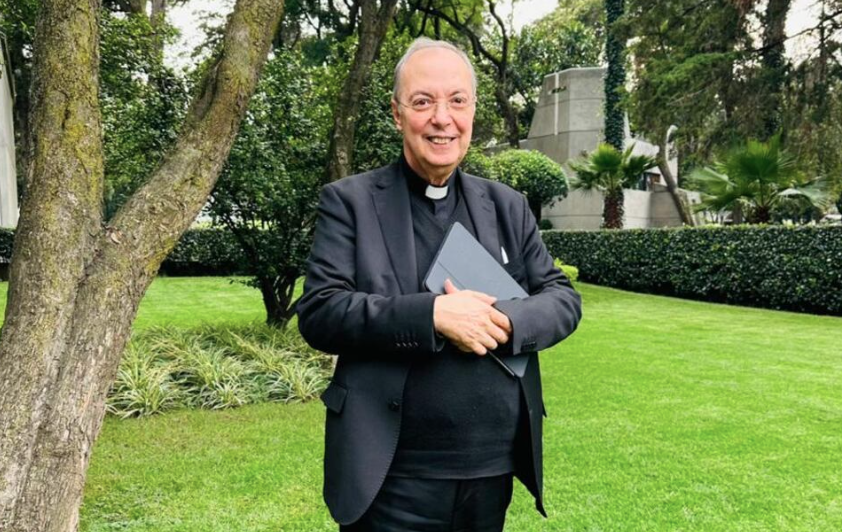
The Pope’s musician gifts a Mass to the Virgin of Guadalupe
Msgr. Marco Frisina, director of the Choir of the Diocese of Rome, premiered the “Guadalupe Peace Mass” on October 23, 2025, at the Basilica, sung in Nahuatl, Latin, and Spanish. With orchestra and 170 voices, it included an Ave Maria in Nahuatl with pre-Hispanic instruments. Offered for world peace, aligned with Vatican II, it honored the Guadalupana as a unifying mother in times of wars and violence. A sample and generous tribute from the Pope’s musician to the Mother of God toward the 500th anniversary of the apparitions in 2031.
November 2025
November shook with assassinations of civil and ecclesial leaders, prophetic episcopal messages, and demands for justice, highlighting the urgency of peace in a Mexico bleeding from crime.
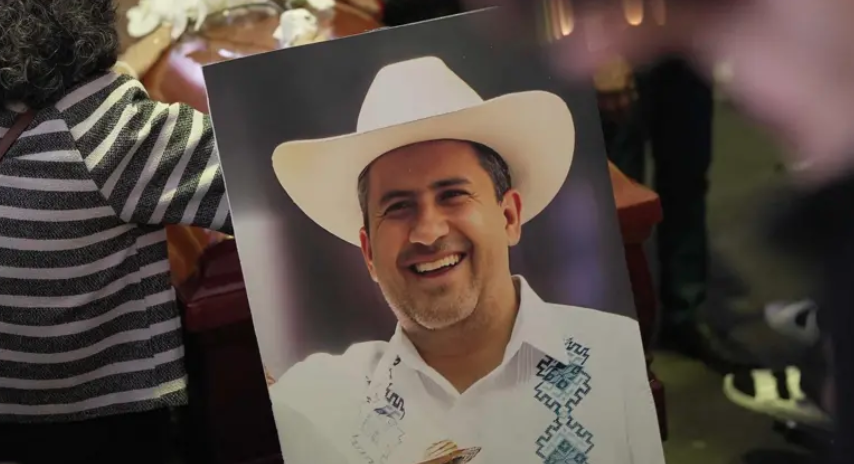
The mayor’s assassination moves the Church
The assassination of Uruapan’s mayor, Carlos Manzo Rodríguez, on November 1, 2025, during the Candle Festival, shocked the Church. Manzo, an independent 45 years old, denounced drug trafficking and extortions. The bishops condemned this homicide of mayors in 2025 as part of a “worrying chain,” including merchant and lemon businessman Bernardo Bravo. In Michoacán, a “narco-state” with 98 cases of political violence against women and 99% impunity, cartels like CJNG control territories. The bishops call to combat criminal roots, proposing the National Dialogue for Peace and urging unity against violence.
Mexican bishops, a prophetic message
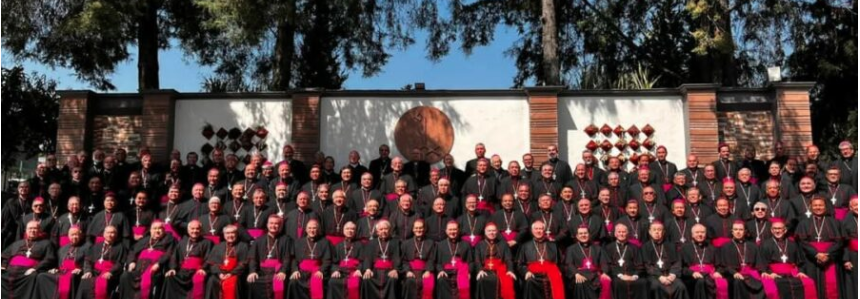
At the conclusion of the 119th Plenary Assembly (November 10-14, 2025), the bishops issued “Church in Mexico: Memory and Prophecy – Pilgrims of Hope toward the Centenary of Our Martyrs.” They denounce gaps between official narratives and reality: violence (extortions, murders), threats to clerics, forced recruitment, migration due to terror, corruption, erosion of freedoms, relativist education, economic precariousness, and family breakdown. They propose a jubilee route 2025-2031-2033, the centenary of Quas Primas with catechesis “Thy Kingdom Come,” 2026 honoring Cristeros against the Calles Law, culminating in the jubilee for the 500th anniversary of the Guadalupan apparitions and two thousand years of redemption. They call for faithful radicalism, trans-ideological dialogue, and Christian hope under the cry “Long Live Christ the King! and Holy Mary of Guadalupe!”.
The controversial assassination of Father Baltazar Hernández
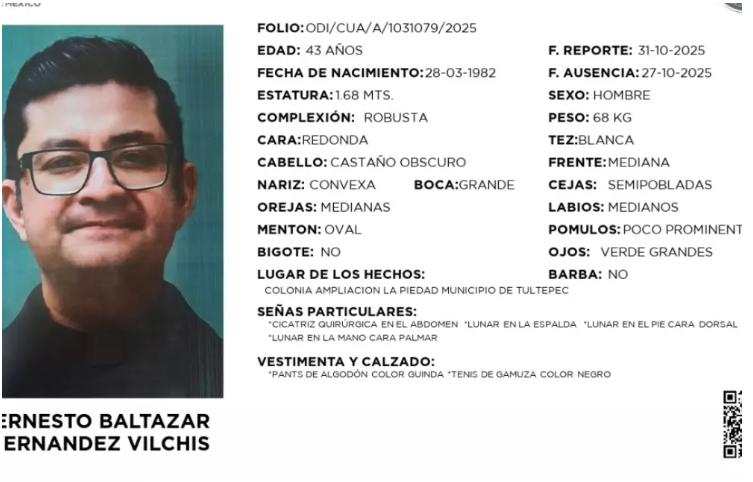
Father Ernesto Baltazar Hernández Vilchis, 43 years old and parish priest in Tultepec, was found lifeless in a canal in Nextlalpan, tied and in decomposition. Indignation grew on social media over his disappearance, and requests for prayer abounded for his prompt location; however, a “dripper,” a woman who drugs to sedate and rob, Fátima ‘N’, allegedly seduced the priest so that, in complicity with Brandon ‘N’, they beat him to death, devising tricks to abandon the body in the main drainage canal. A controversial assassination for which many requested, through prayer, the appearance alive of the religious; however, investigations pointed to his tragic death having passionate and criminal motives.
December 2025
December closed the year with ecclesial changes, canonical investigations in the Basilica, and massive Guadalupan festivities, mixed with demands for justice in emblematic cases like Ayotzinapa.
The era of the Legionaries of Christ ends in the Diocese of Cancún-Chetumal
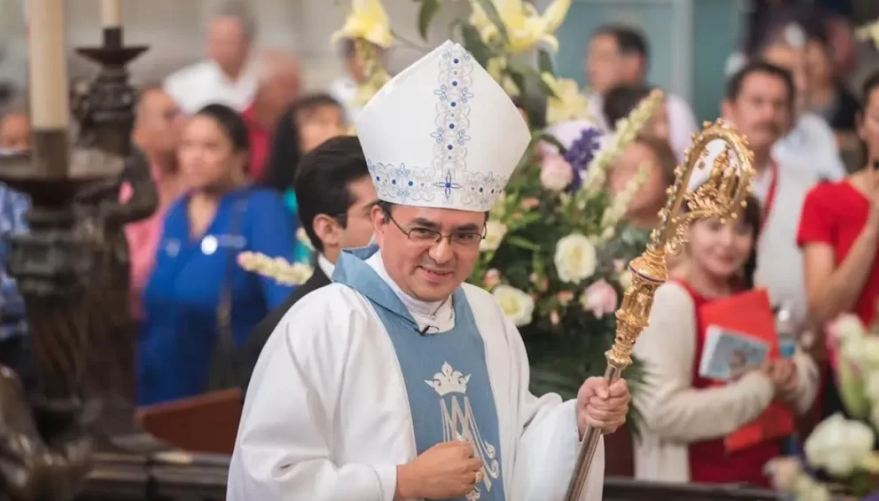
The Mexican Episcopal Conference announced that Pope Leo XIV accepted the resignation of Pedro Pablo Elizondo Cárdenas, of the Legionaries of Christ congregation and Bishop of Cancún-Chetumal, to be succeeded by Salvador González Morales, auxiliary of Mexico. González, 53 years old. The Diocese of Cancún-Chetumal, elevated in 2020, marks the end of the Legionaries’ era, affected by scandals and abuses by priests. With this change, Salvador González assumes as bishop of a diocese with a declining Catholic population and notable contrasts between the northern tourist opulence with developments like Cancún and the poverty of southern Quintana Roo.
The Basilica rector in the eye of the storm
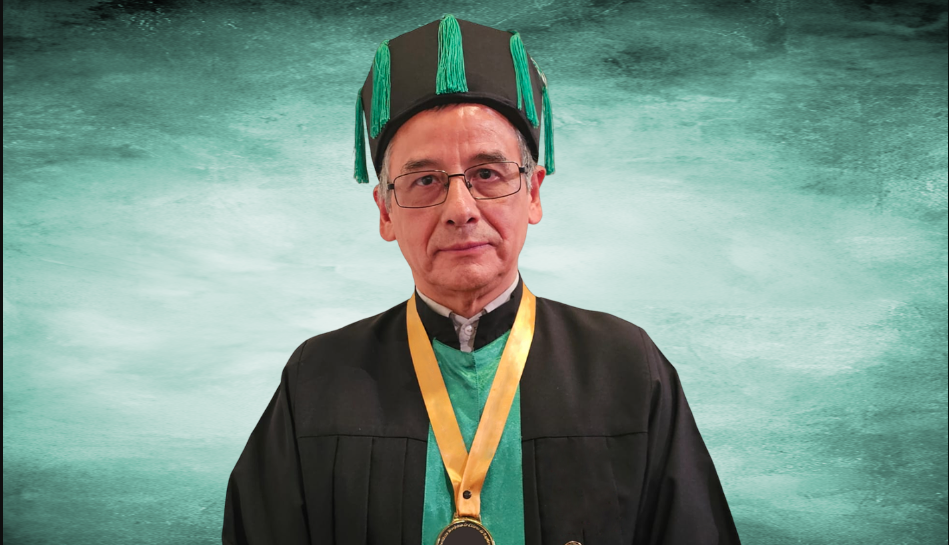
In the framework of the Guadalupan celebrations, it transpired that Efraín Hernández Díaz, rector of the Basilica of Guadalupe, faces a canonical investigation (IP 17/2025) for prolonged absences, irresponsible decisions, risky documentation, and a mafia network of advisors. Separated on September 20, 2025, by Aguiar Retes, the vice-rector assumes interim. Rumors of simony and financial opacity generate crisis; Pope Leo XIV would know of the serious situation, ordering an exhaustive investigation to clarify what is happening in the Basilica of Guadalupe.
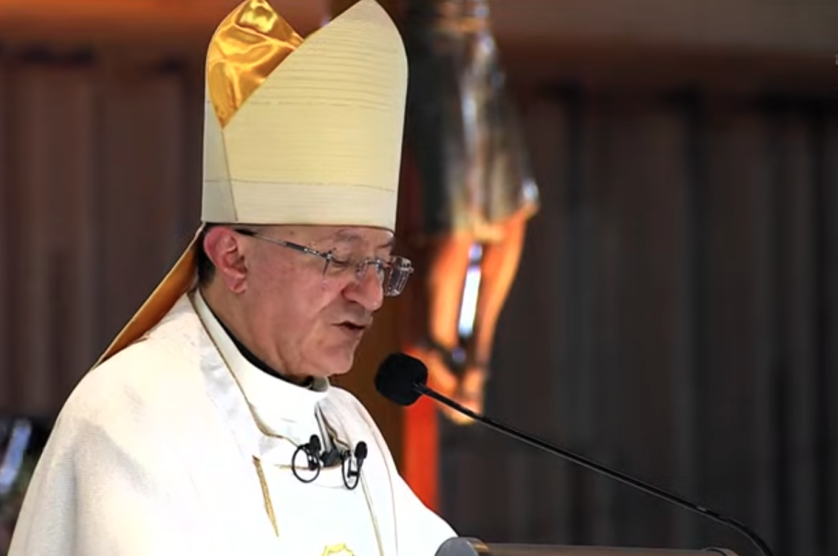
Guadalupan festivities break records
More than 10 million pilgrims celebrated Las Mañanitas on December 12, 2025, at the Basilica, breaking records. In an unprecedented celebration, the Apostolic Nuncio in Mexico, Joseph Spiteri, presided over the most important celebration of Mexican Catholic faith, the “mañanitas” Mass to the Virgin. The diplomat conveyed blessings from Leo XIV and in his homily, Spiteri evoked the 1531 apparitions, inviting to be messengers of peace like Juan Diego, healing social wounds under Mary in a society marked by injustices, divisions, and lack of respect for human dignity, through a “deeper relationship with Jesus and Mary.” Following Pope Leo, he urged seeking “communion and unity” born of “fraternal service” to be, like Juan Diego—whose name in Nahuatl means “messenger of precious and divine things”—builders of peace and bearers of hope: “We too will be messengers of precious and divine things, this is the meaning of his name in Nahuatl, messenger of precious things and we too can be these messengers of divine things, we will be with Juan Diego, true builders of peace under the gaze of our Most Holy Mother.”
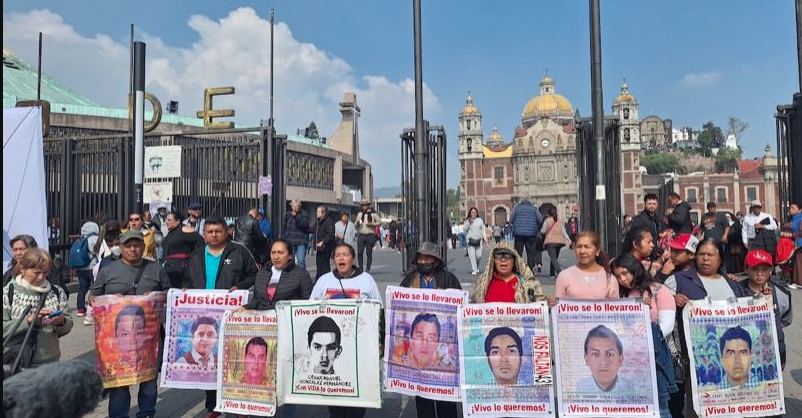
Army “involved in the murder of the normalistas,” the parents of the 43 at Basilica of Guadalupe
Parents of the 43 Ayotzinapa normalistas pilgrimaged to the Basilica in December 2025, demanding justice after 11 years. Emeritus Bishop Raúl Vera López presided over the Mass at the Expiatory Temple over governmental inaction due to involvement of high Army ranks, stating that former President López Obrador failed promises. He encouraged the families to persist, highlighting their struggle as an example: “The government has refused to give a reason why it does not want to investigate, because we know that high ranks of the country, like the Mexican army, are perfectly involved in the fate of these our brothers. The main chief of the Mexican State, the former President of the Republic, could not clarify what he promised, that he would clarify things. I encourage you not to cease in your demand to ask for an explanation and not to stop expressing your displeasure…,” said the emeritus prelate to the parents of the disappeared.