


2025 was a time marked by changes that reflected the Church’s desire in Mexico to build peace, overcome violence, and surpass the resentment derived from polarizations. This first semester was marked by sadness for the pain that overwhelmed it upon losing the first Latin American Pope, but it was the moment when all of humanity, expectant, saw in action the machinery from which a new Pope, successor of Peter, should emerge, in the most emblematic and ancient conclave in human history: the cardinal conclave.
Here the first semester of this year which saw the new composition of the Judicial Power and the Church’s bet on building peace. It is the semester where the Church said with sadness: “The Pope has died” and proclaimed: “Long live the Pope”.
January 2025
The start of the year brought a wind of changes in the Mexican Church, marked by diplomatic gestures, potential episcopal successions, and preparations for migration crises. In the midst of a context of persistent violence and global challenges, the Catholic faith sought to be a bridge of hope and concrete action.
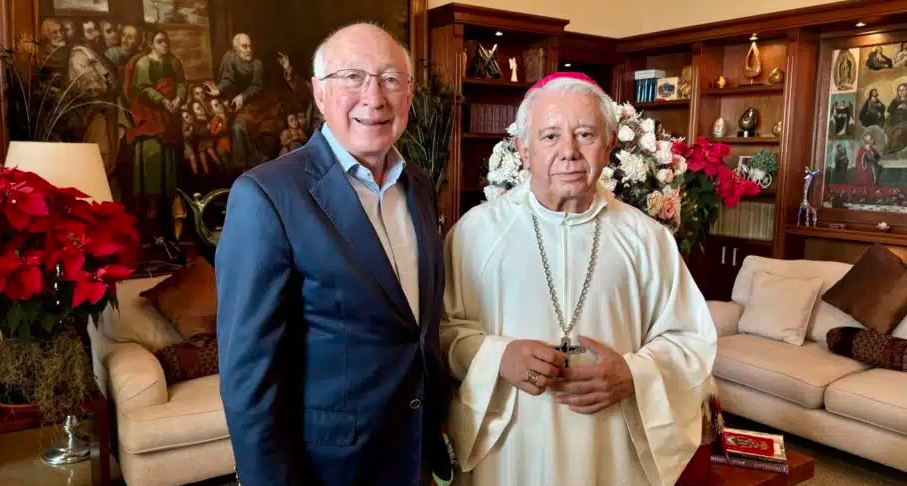
Not ashamed of his faith. President of the CEM thanks the diplomatic work of the United States Ambassador, Ken Salazar
In the celebration of the Epiphany in the Cuernavaca cathedral, Bishop Ramón Castro Castro, president of the Mexican Episcopal Conference (CEM), paid homage to Ambassador Ken Salazar during his last Mass in office. Castro described him as a «good friend and brother» Catholic who does not hide his faith, citing his moving phrase: «I have given my heart to Mexico.» Salazar, who concluded his mission with the arrival of Donald Trump and the replacement by Ronald D. Johnson (former CIA and Green Beret), emphasized in a statement the key role of religious leaders in bilateral security. This encounter, which included dialogues with Governor Margarita González, highlights the intersection between diplomacy and faith, fostering peace and cooperation in a landscape of political transitions. For the Church, it reinforces its influence in Mexico-United States relations by promoting evangelical values amid migration tensions.
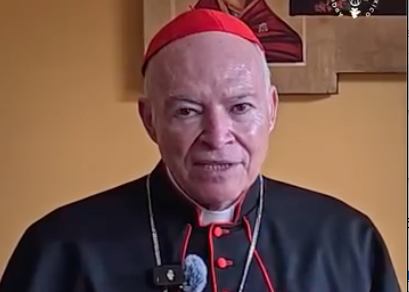
The resignation of Aguiar Retes, the succession in the Archdiocese of Mexico begins
Cardinal Carlos Aguiar Retes presented his resignation upon turning 75, a «bittersweet birthday» that marks the beginning of the end of a controversial episcopal government. Criticized for his «apparently synodal» and divisive style, which generated discouragement among the clergy and dismantled useful structures, Aguiar is seen as a pragmatic and absent «boss,» surrounded by loyal allies. His management, full of improvised «Aguiar moves,» left an archdiocese paralyzed by confusion and clericalism. The succession process, inevitable by canon law, generated expectations of a rapid reconstruction transition, although fears of extensions prolonged the uncertainty. Pope Francis arranged for his temporary stay under the formula «donec aliter provideatur,» announced by a document from the apostolic nunciature, which sought to give «extra time» until a suitable successor. This avoids abrupt transitions but highlights the need for more synodal, intelligent leadership, and above all, one of holiness.

Coadjutor arrives for the Archbishop of Morelia
José Armando Álvarez Cano, Bishop of Tampico and native of Michoacán, was appointed coadjutor of Morelia to succeed Carlos Garfias Merlos in 2026, after his canonical retirement. With a missionary trajectory in Peru and pastoral roles in Zamora, Álvarez has experience in pastoral theology and contributes to the Global Pastoral Project 2031-2033 for the Guadalupanan jubilee. The appointment with the right to succeed Garfias Merlos was explained by the archbishop himself in office given his precarious health conditions that had put his life at risk and to end, definitively, any expectations about who might replace him in the government of one of Mexico’s most important archdioceses. Parallely, Víctor Melchor Quintana Quezada, parish priest of Chihuahua with a doctorate in Rome, was appointed as Bishop of Nuevo Casas Grandes, filling a vacancy since 2023. No one knew it yet, but they were among the last episcopal appointments of Pope Francis, who was suffering a rapid deterioration in health.
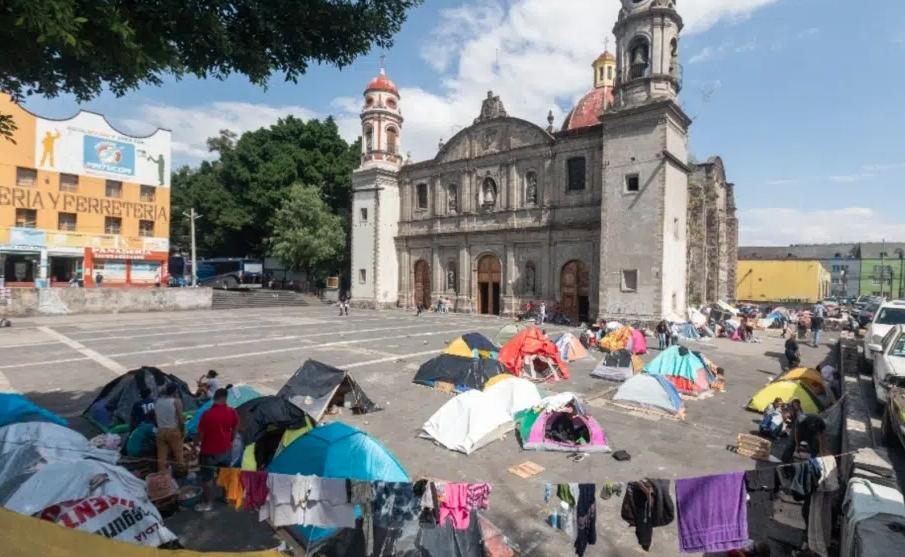
Catholic Church in Mexico and mass deportations from the United States
The assumption of power by Donald Trump as President of the United States awakened fears of imminent mass deportations; in the face of such possibilities, the Episcopal Dimension of Pastoral Care for Human Mobility (CEM), led by Eugenio Lira Rugarcía, Bishop of Matamoros-Reynosa, announced the activation of a network of shelters in states like Baja California, Chihuahua, and Mexico City to offer shelter, food, emotional health, legal advice, and family contact, inspired by Luke 6:31: «Do to others as you would have them do to you.» This ecclesial solidarity, in collaboration with dioceses and authorities, reaffirmed the concern and commitment to the vulnerable, offering hope in a context of strict migration policies.
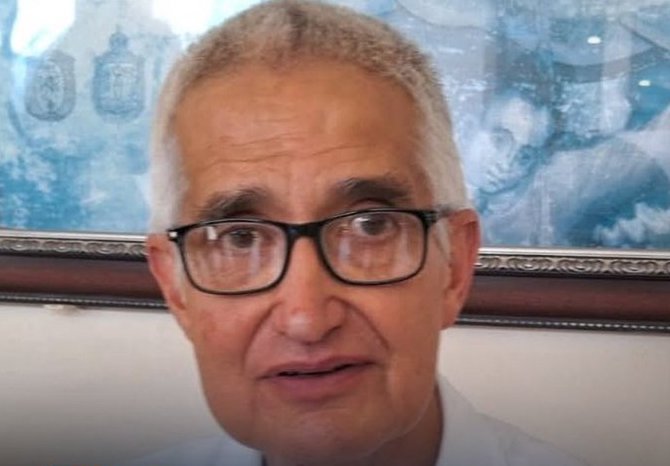
Farewell to the tireless defender of life
Jorge Serrano Limón, who died on January 23 at the age of 72, saved 80,000 lives as leader of the National Pro-Life Committee since 1982. Born into a Catholic family in the Narvarte neighborhood, he organized mega-manifestations, collected a million signatures against abortion in 1998, and obtained funds for help centers during the peak of the National Action Party in power. Supported by cardinals like López Trujillo and John Paul II himself, his belligerent style raised concerns and provoked confrontations with the powerful; however, he was not exempt from accusations, facing controversies like the «tangagate» and family scandals, but his legacy strengthened pro-life activism in Mexico, eclipsing left-wing criticisms.
February
February saw a flow of episcopal appointments and calls for unity, while Pope Francis’s health was concerning, although the universal Church called for incessant prayers for the health of the Argentine pontiff, his leadership was at a fragile point that would gradually deplete.
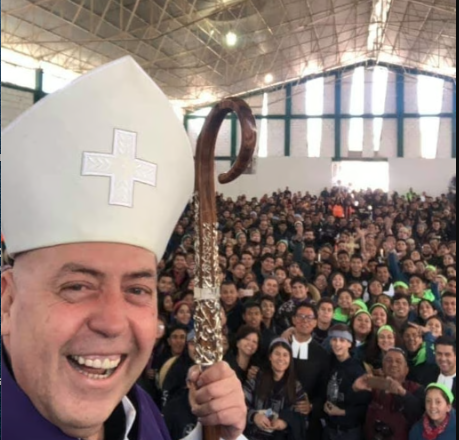
A Franciscan bishop for the Diocese of Xochimilco
Juan María Huerta Muro, a 62-year-old Franciscan with experience in formation and consecrated life, was appointed successor to Andrés Vargas Peña in Xochimilco. Born in Guadalajara, with studies in Tijuana and roles as general visitor, his external appointment surprised the local clergy. As he himself stated in an interview with Infovaticana-ACN, his appointment came to «break the inertias» of previously agreed or announced successions. Of a simple, approachable style and fond of good food, Huerta Muro would arrive at one of the country’s youngest dioceses, born from the dismemberment of the Archdiocese of Mexico, with great popular devotion but organizational challenges and under great significance when, 500 years ago, evangelization began with the help of the Franciscans.
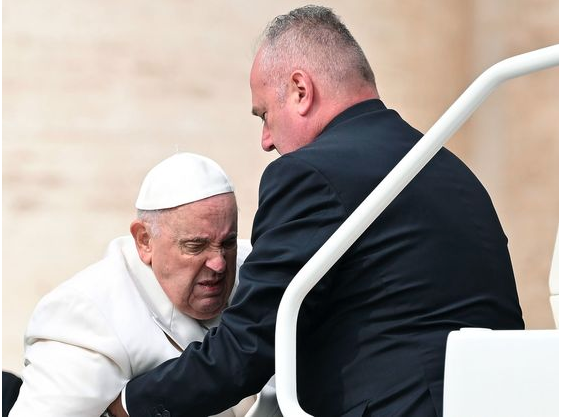
Pope Francis’s health is concerning. Bishops of Mexico call for a day of prayer
The CEM called for a national day of prayer from February 26 to 28 for the Pope’s health, inviting rosaries and community celebrations. This gesture reflects deep concern for his medical challenges, uniting the Mexican Church in spiritual solidarity. Pope Francis had long been prone to lung infections, a vulnerability originating from the 1957 surgery in Argentina, when part of his right lung was removed due to severe pleurisy. This history made him susceptible to respiratory crises, and 2025 began with subtle signs. In mid-February, what seemed like a common cold turned into severe bronchitis that required his hospitalization in Rome. Reports described him as «seriously concerned» about his condition. The crisis worsened on February 22, when the Vatican announced that he was in critical condition due to sepsis—a potentially deadly infection that spread from his lungs and could cause multi-organ failure.
Sepsis, combined with his age and pre-existing lung scars, created complications; doctors warned that recovery would be «really difficult.» Days earlier, on February 28, he suffered an «isolated respiratory crisis» that caused vomiting and a «sudden worsening» of his lung condition, leaving him gasping for air and evidencing the fragility of his health.
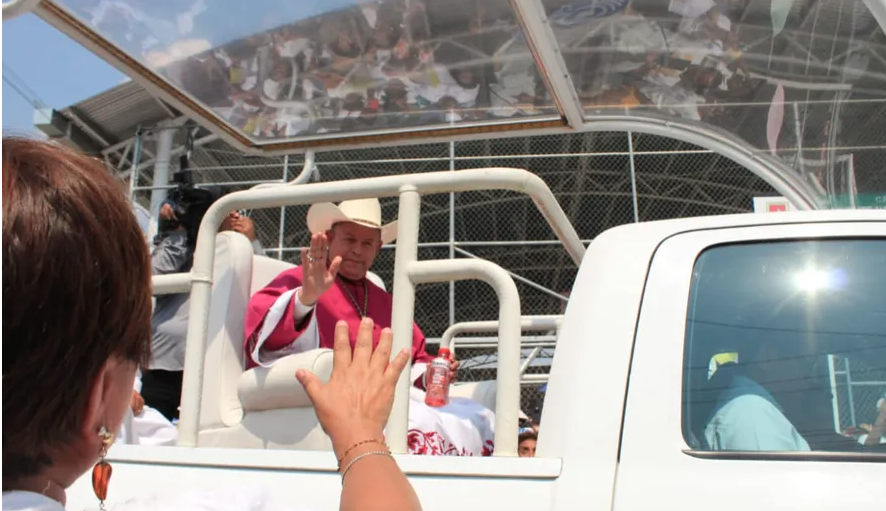
New Archbishop for Tuxtla Gutiérrez
Francisco González González, Bishop of Campeche since 2008, assumed as Archbishop of Tuxtla Gutiérrez after the death of Fabio Martínez Castilla. Born on March 17, 1966, in Yahualica de González Gallo, Jalisco, González González entered the minor seminary in 1978 and was ordained a priest on December 24, 1994, for the Archdiocese of Guadalajara, by the imposition of hands of Cardinal Juan Sandoval Íñiguez. He holds licentiates in canon law (Pontifical University of the Holy Cross) and biblical theology (Pontifical Gregorian University). In Guadalajara, he served as a seminary formator and defender of the bond in the ecclesiastical tribunal.
In 2008, Benedict XVI appointed him Bishop of Campeche, succeeding Ramón Castro Castro (current president of the CEM). Becoming the III Archbishop of Tuxtla Gutiérrez, diocese erected in 1964, his pastoral experience of closeness was necessary to lead the ecclesiastical province of Chiapas, although, upon taking possession of the diocese, he was not immune to controversies for having used Francis’s popemobile during his visit to Chiapas.
At the same time, another episcopal appointment was that of Father Andrés Sáinz Márquez, doctor in human development, to be prelate bishop of Jesús María del Nayar, and to revitalize the indigenous Catholic regions.
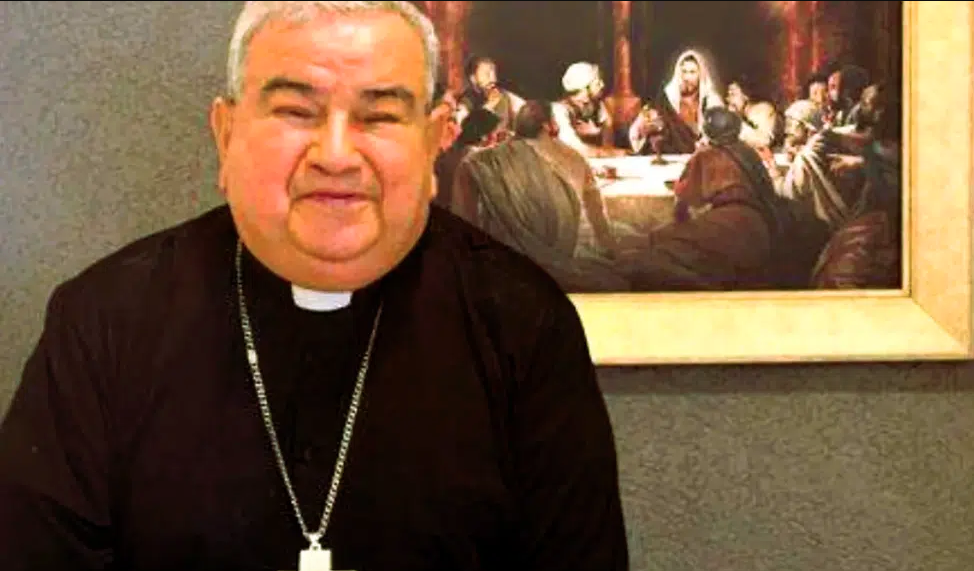
Actions to achieve peace, the Church’s bet
Carlos Garfias Merlos, Archbishop of Morelia, promotes peace tables with civil society, emphasizing plural dialogue and concrete actions against violence. With experience in conflict zones like Acapulco, Archbishop Garfias, during this jubilee year for his 50 years of priesthood, promoted initiatives like «Dialogue for Peace» to rebuild the social fabric, inviting believers and non-believers to unite in shared responsibility. Active in media and press conferences, the archbishop called on the media to publicize the ecclesial structure of the Archdiocese of Morelia dedicated to attending to victims of violence, the construction of peace, and listening, particularly in regions scourged by violence in the state. Willing to dialogue, the archbishop even supported it with the makers of violence in order to foster peace.
March
March exposed migration tensions and internal violence, while a scientific milestone united faith and reason, reminding that the Gospel illuminates even the darkest shadows.
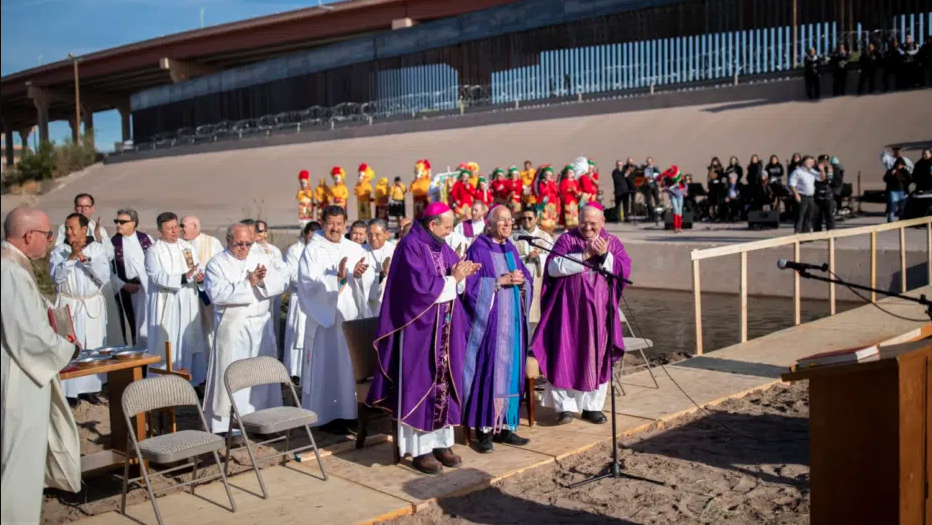
Tex-Mex Bishops and Gospel values in the face of deportations
In San Antonio, the bishops of border dioceses, Eugenio Lira Rugarcía of Matamoros-Reynosa and Mark Seitz of El Paso, emphasized evangelical values for migration: welcome, dignity, and reforms to the «broken» U.S. system. Citing Pope Francis and the parable of the Good Samaritan, they reject exploitation and demand political responsibility, reaffirming the Church’s role in integration and self-sufficiency for refugees.
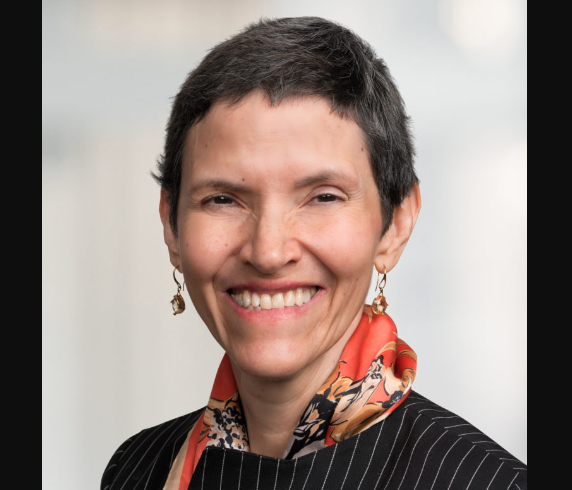
A Mexican woman in the Pontifical Academy of Sciences
Cecilia Tortajada, water management expert with a doctorate in Sweden and global awards, is the first Mexican in the Pontifical Academy of Sciences. Historic president of the IWRA, her work in environmental sustainability unites science and faith, promoting interdisciplinary dialogue on challenges like climate change. Founded in its origins in 1603 as the Academy of the Lynx (the first scientific academy exclusively dedicated to the natural sciences, of which Galileo Galilei was a member), it was refounded in 1936 by Pius XI with its current name. It is the world’s only supranational scientific academy and independent of national and political factors. Its mission is to promote progress in mathematical, physical, and natural sciences, as well as the study of related epistemological issues. It organizes workshops, plenaries, and publications on global topics like climate change, bioethics, water, and sustainability, advising the Holy See with objective and scientific information. It has 80 lifelong academics like the director of the Vatican Observatory.
Members are elected by the Academy itself for their scientific eminence and high moral integrity, without ethnic or religious discrimination, they can be believers or not, have included atheists like Stephen Hawking. The Pope confirms the lifetime appointment. Among its historical members are dozens of Nobel Prize winners like Max Planck, Niels Bohr, Werner Heisenberg, or Sir Alexander Fleming. The selection is rigorous and represents the world scientific elite.
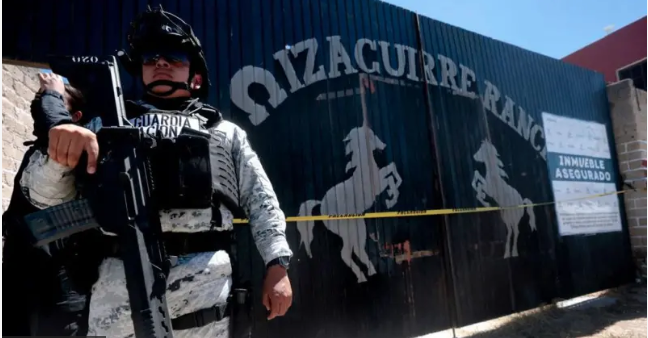
The ranch of death
In March 2025, the discovery of the Izaguirre Ranch in Teuchitlán, Jalisco—a few kilometers from Guadalajara—shook Mexico like a sinister echo of the past. This site revealed itself as a modern «extermination camp,» a place of unimaginable cruelty where death was industrialized. The discovery, made by the «Guerreros Buscadores de Jalisco» collective—made up of relatives of the disappeared who tirelessly dig in search of their loved ones—exposed three crematory ovens, piles of shoes, separated clothing, scattered teeth, human ashes, bone remains, and identification credentials.
The implications for national security are alarming and multifaceted. Jalisco, epicenter of cartels like the Jalisco New Generation Cartel (CJNG), represents a territory where organized crime operates with impunity, surpassing imaginable limits. This ranch is not an anomaly; Mexico has accumulated thousands of clandestine graves since 2006, with more than 110,000 disappeared reported until 2025, according to official data. The existence of crematory ovens suggests a systematic «disappearance industry,» where bodies are incinerated to eliminate evidence, complicating investigations and perpetuating terror. Izaguirre is intrinsically linked to the tragedy of the disappeared in Mexico.
Collectives like Guerreros Buscadores, formed by mothers, fathers, and siblings of victims, have located hundreds of similar graves in Jalisco, a state with one of the highest rates of forced disappearances. The Catholic Church, through Cardinal José Francisco Robles Ortega, Archbishop of Guadalajara, issued a resounding message of condemnation, demanding immediate action. In his statement, Robles affirmed: “It is not new to find a clandestine grave. Sadly, it is a fact that is recorded in our State. What is found reveals a very serious practice, cremating corpses. It is up to the authorities to go to the bottom and find out what it is about and how many victims there are, who carries out such serious actions, and to share the results… The minimum that should be done is to analyze the entire territory of the ranch”.
As Robles warns, we must «learn from the past, not leave to oblivion what is happening, question ourselves, be aware, and assume what is really happening in society and demand a response.»
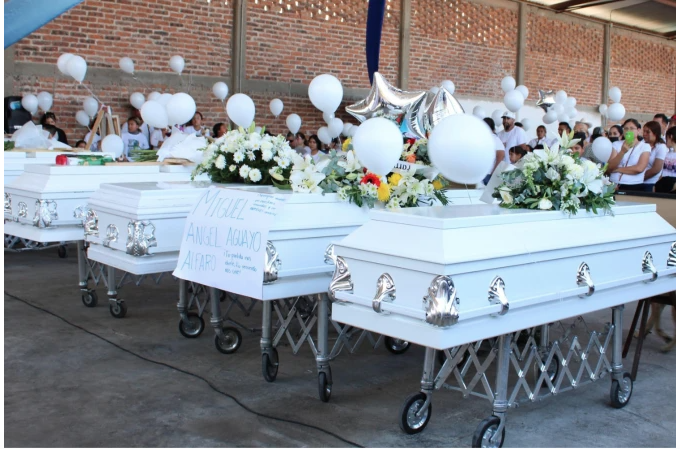
Eight young people from the youth pastoral of the Diocese of Irapuato are murdered
Mexico experienced a tragedy that shocked the Catholic community. In the rural community of San José de Mendoza, municipality of Salamanca, Guanajuato, an armed commando burst into a multi-purpose court adjacent to the Parish of San José de Mendoza. There, young people who had just participated in the evening Mass and were socializing—some organizing activities for Holy Week—were attacked with indiscriminate bursts of long weapons. The toll: eight young people murdered, including minors, and several seriously injured. The victims, students and workers with no links to crime, included active members of the Youth Pastoral of the Diocese of Irapuato. Identified names: Bruno Jesús, Miguel Ángel, Daniel, Juan Flavio, Fernando, as well as teenagers like Juan Martín, who died days later in the hospital, and others protected by their minority age.
Enrique Díaz Díaz, Bishop of Irapuato, issued a statement laden with pain and courage: “With deep sorrow we communicate an event that is profoundly painful… several young people were cowardly murdered… some members of the parish youth group.” He strongly condemned the attack as “atrocious acts” that “shake our hearts and fill us with deep pain and bitterness.” He demanded from civil authorities exhaustive clarification, swift and expeditious justice for the families. He presided over the funeral Mass on March 19, praying not only for the victims but for the conversion of the perpetrators and of “young people who have fallen into the nets of evil.” He insisted: “These episodes want to rob us of our faith and hope, but Christ is our hope… God transforms even the darkest events.”
April 2025
April was a month of global mourning, with the death of Pope Francis leaving a void, but also of episcopal continuity in vulnerable regions.
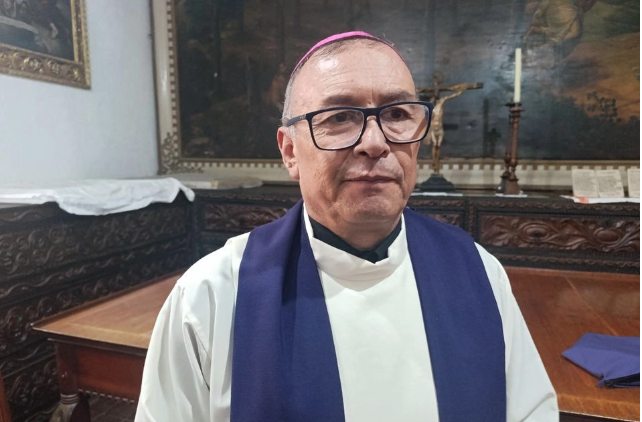
New Bishop of Tapachula
Luis Manuel López Alfaro, auxiliary of San Cristóbal de las Casas, assumed as the new pastor of Tapachula, filling a seat vacant since July 2024, when Jaime Calderón Calderón was promoted to Archbishop of León. López Alfaro, until then auxiliary bishop of San Cristóbal de Las Casas, is recognized for his pastoral closeness in regions marked by indigenous diversity, violence, and migration. This border with Guatemala faces challenges like intense migration flows and social conflicts, where López Alfaro has denounced injustices alongside Bishop Rodrigo Aguilar Martínez.
Erected on June 19, 1957, by the bull Cum Nos in Petri of Pius XII, Tapachula covers 27 Chiapas municipalities, with 110 priests in 53 parishes (2022 data). Of its 3.176 million inhabitants, only 25% declare themselves nominal Catholics, one of the lowest percentages in Mexico, according to the Pontifical Yearbook. López Alfaro assumes a border territory with high migration, where the Church plays a key role in humanitarian welcome and denunciation of abuses.

The end of a pontificate, Pope Francis dies
Pope Francis died on April 21, 2025, at 7:35 a.m. in the Casa Santa Marta, in Rome, just hours after celebrating Easter. According to the death certificate issued by the Vatican, the main cause was a cerebral hemorrhage that plunged him into a coma, followed by an irreversible cardiocirculatory collapse and heart failure. Contributing factors included pre-existing conditions like type 2 diabetes, arterial hypertension, and bronchiectasis, a chronic lung condition, which increased his risk of cardiovascular events. His medical history, marked by the partial removal of a lung in his youth and recurrent episodes of respiratory infections, made him particularly vulnerable.
Holy Week 2025 coincided with the final phase of Francis’s recovery after a prolonged hospitalization in February-March due to pneumonia, sepsis, and acute respiratory failures. After 38 days in the hospital, until late March, he showed gradual improvements: without supplemental oxygen for longer periods, advances in voice and mobility thanks to respiratory and motor therapies, and normal values in blood tests and chest X-rays. However, his participation in the liturgies was limited; he delegated the main ceremonies to cardinals to preserve his strength, although he presided over some symbolically.
The death generated global consternation, especially among Mexican bishops. The Mexican Episcopal Conference (CEM) expressed «deep sorrow» for the Pontiff’s departure, highlighting his legacy of mercy and option for the poor. Cardinal José Francisco Robles Ortega described him as «father, brother, and friend of the suffering,» while other prelates, like Jorge Carlos Patrón Wong and José de Jesús González Hernández, called for Masses and prayers for his eternal rest. Even the President of Mexico sent condolences, remembering him as a great Latin American pastor.
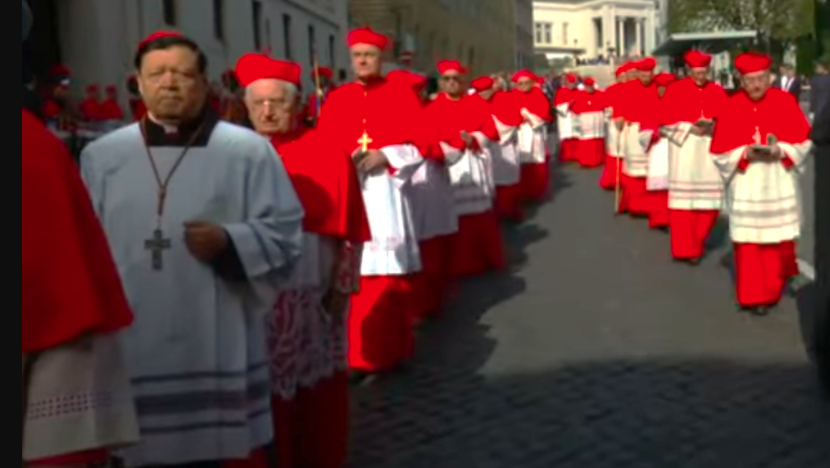
Emeritus Archbishop at the funeral rites of the deceased Pope
Prior to the conclave, the funeral honors and novemdiales for the deceased Pope would convene the select group of cardinals who would enter into debate to elect the new Pope. Of the Mexicans, the first to be at the liturgical acts was the emeritus Archbishop of Mexico, Cardinal Norberto Rivera Carrera, who participated in the Vatican exequies. Mexico has six cardinals, but only José Francisco Robles, Archbishop of Guadalajara, and Carlos Aguiar, Archbishop of Mexico, vote in the conclave, reflecting a Church with minimal influence in the discussions within the conclave. The presence of Rivera Carrera reflected the fidelity and institutionalism of Mexico’s emeritus who, despite retirement, assumed the responsibility to be an instrument of unity and fidelity to the See of Peter.
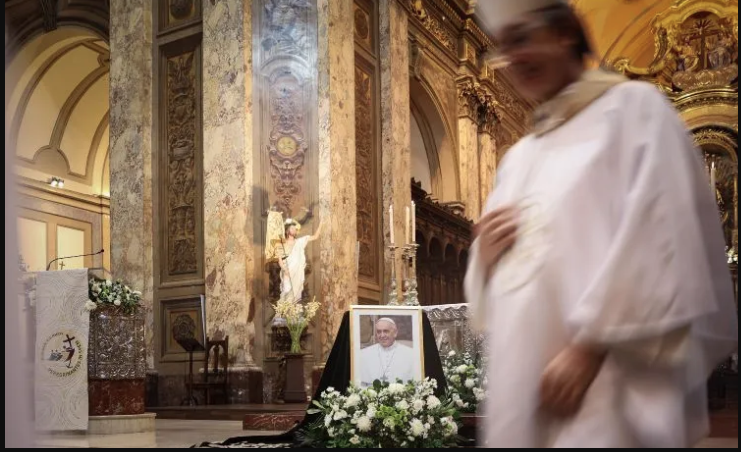
The liturgical provisions for the vacant See
The Mexican Episcopal Conference (CEM), through its Episcopal Commission for Liturgy, issued on April 23 a detailed document with liturgical guidelines for the entire nation during the period of the vacant See—the time between the death of a pontiff and the election of his successor. These norms, based on the Instruction Universa Ecclesia (1970), the Directory on Popular Piety and Liturgy (2001), and the Ceremonial of Bishops, seek to ensure liturgical unity, express ecclesial mourning, and spiritually prepare for the election of the new Pope. Among some aspects to be carried out in the liturgical actions was to omit the papal name in prayers, schedule novemdial exequial Masses. During Easter, joyful formularies are prioritized, ensuring liturgical unity in the transition.
May 2025
May united ecclesial reflection with social action, culminating in the papal election and massive marches against violence.
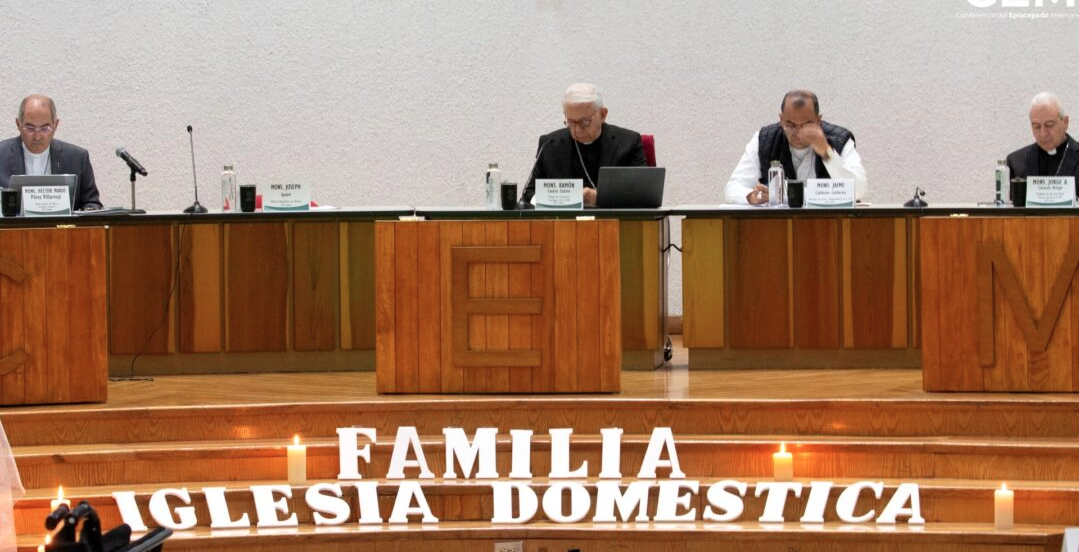
The urgent challenges in the 118th assembly of the CEM
In the 118th assembly, bishops addressed violence, addictions, and judicial reform, exhorting hope. They highlighted family, reconciliation, and peace, thanking Francis and praying for the conclave. In their message to the People of God, the prelates described a national panorama “not encouraging” due to growing violence that bleeds the country, with forced disappearances and homicides that have become commonplace, the rise of addictions (alcoholism and drug addiction) that spread even to remote communities, and the controversial judicial Reform, with popular elections of judges, ministers, and magistrates scheduled for June, viewed with concern for its impact on judicial independence.
Faced with this, they rejected resignation: “We cannot get used to the pain nor resign ourselves to living in fear.” Mexico has not been overwhelmed by evil; the response must be active and hopeful.
The President of the CEM at the conclave
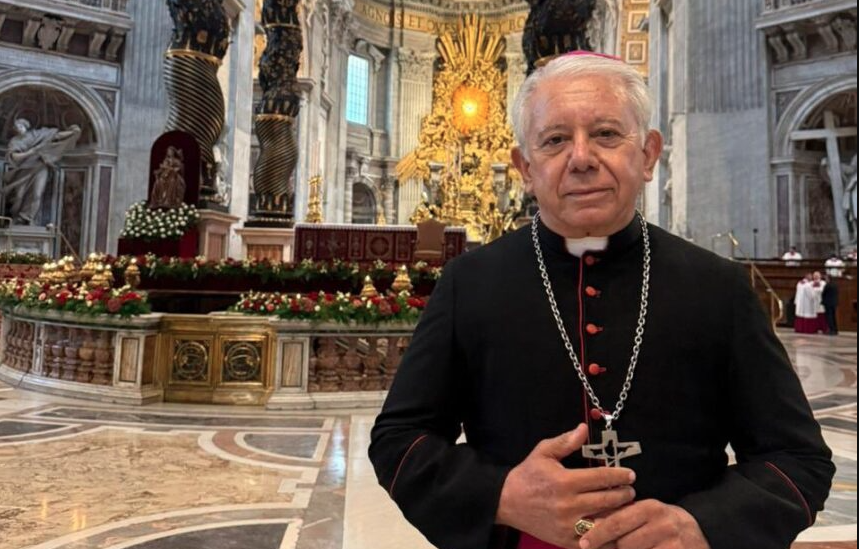
Ramón Castro described the conclave as a «breath of hope» for Mexico, in an atmosphere of expectation and emotion during the Jubilee. Castro Castro, president of the bishops, had frequent trips to Rome for the funerals of Pope Francis, the attention of the 118th ordinary assembly of the bishops, and participation during the days of the conclave to ensure the unity and fidelity of the Church before the new Pope who would be elected.
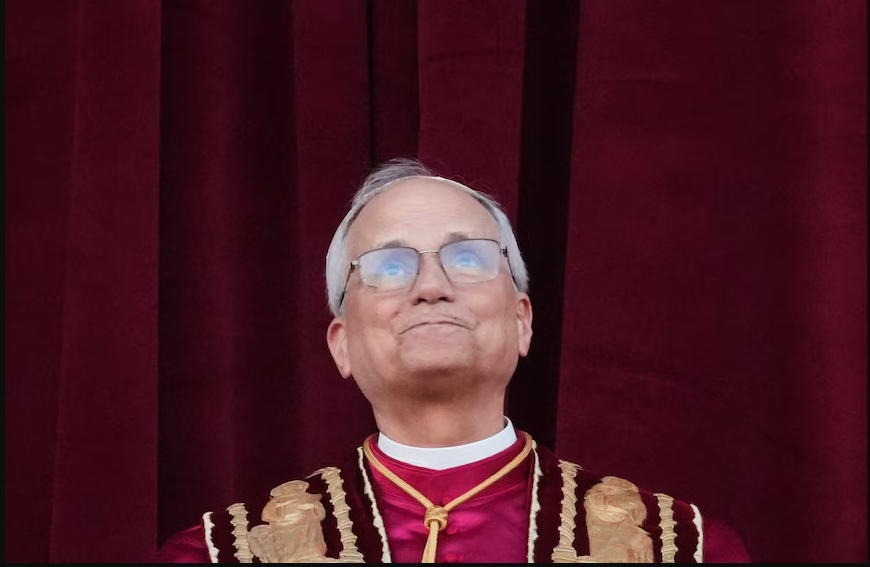
The new Pope, Leo XIV
In a moment of profound global expectation, white smoke emerged from the Sistine Chapel announcing the «Habemus Papam.» The American Cardinal Robert Francis Prevost, O.S.A., Prefect of the Dicastery for Bishops, was elected as the 267th successor of Peter, adopting the name Leo XIV. This election, after a brief but intense conclave in the 2025 Jubilee, marked historical milestones: the first Pope from North America, the first from the United States, and a bridge between the global North and South, given his extensive missionary experience in Latin America.
The Mexican Episcopal Conference reacted with immediate approval to the election. In an official statement issued after the election, the bishops expressed: “We are filled with joy by the election of Cardinal Robert Francis Prevost as Pope Leo XIV. We recognize in this election the divine will and offer our filial and affectionate obedience.” They highlighted his trajectory in Peru as a «bridge of fraternity» with Latin America, relevant for Mexico on issues like migration, poverty, and reconciliation—axes of Mexican pastoral care in the face of violence and inequality. They invited the People of God to pray intensely for his pontificate: “May the Holy Spirit enlighten him in his ministry, continuing Francis’s legacy of mercy and option for the poor.”
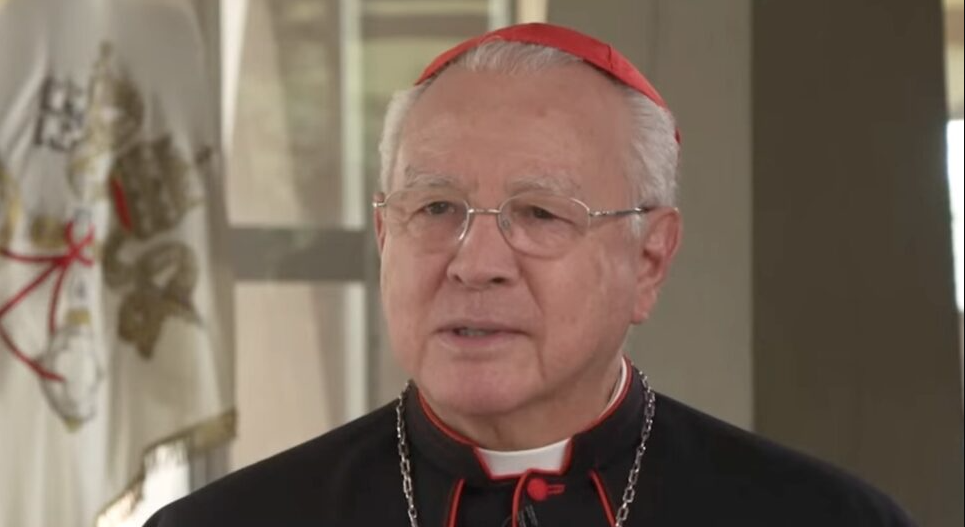
The Mexican cardinal close to Leo XIV
Cardinal José Francisco Robles Ortega, Archbishop of Guadalajara and one of the two Mexican electors in the May conclave, described his experience as a “parenthesis of sadness” that opened to the light of hope with the election of Leo XIV. In statements to the media, Robles highlighted the missionary continuity, serenity, and Augustinian formation of the new Pontiff, seeing him as a pastor who unites Francis’s legacy with a new breath of the Holy Spirit.
Cardinal Robles shared intimate details of his first contacts with Prevost and the conclave. The Archbishop of Guadalajara narrated a meal after the election, where he congratulated Leo XIV on behalf of Mexico: “We congratulated him and told him: ‘Continue being yourself,’ maintain that humility that has characterized you as a religious.” He highlighted the simplicity and closeness of the new Pope, recalling his long missionary experience in Peru where Prevost acquired nationality and pastored the Diocese of Chiclayo. For Robles, this Latin American trajectory represents a valuable “bridge of fraternity” for Mexico, especially on issues like migration, poverty, and social reconciliation.
He expressed deep gratitude: “I am left with gratitude to God who allowed me to live this unique experience.” He described the conclave as a time of serene discernment, initially marked by mourning for Francis, but illuminated by the action of the Holy Spirit in electing a pastor “according to the heart of Christ.”
For peace in Mexico, for peace in Morelos
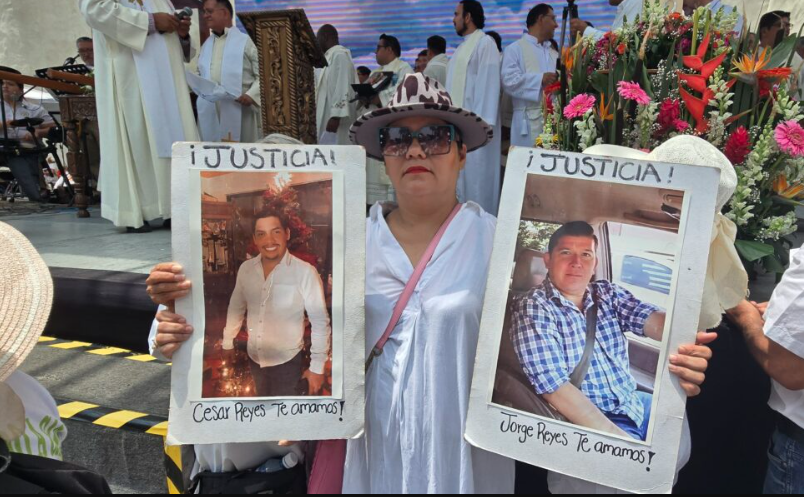
In the XI March for Peace, Cuernavaca became a human river of more than 17,000 people dressed in white where entire families, parish groups, searching mothers, civil organizations, and citizens of good will walked the main avenues of the capital of Morelos from the Parish of Our Lady of Miracles in Tlaltenango to the Cathedral, carrying banners with messages like “All for peace,” photographs of the disappeared, religious pennants, and white flowers as a symbol of purity and memory.
Bishop Ramón Castro Castro closed the march with a brave and detailed speech that diagnosed the “social decomposition” of Morelos and Mexico, but injected evangelical hope. Citing Saint Augustine (“Peace is that tranquility which gratifies when things are in their proper place”), he lamented that in the state “there are many things that are not in their place,” Morelos ranks first nationally in feminicides, dispossession, and vehicle theft; second in intentional homicides; fifth in extortion and kidnapping; sixth in home robbery.
He denounced the infiltration of organized crime at all levels: “Asking permission from narco bosses to open streets, clear street vendors, install cameras, or execute works has become the new normal.” He cited concrete examples like extortions to tamale vendors for “floor rights,” massacres in municipalities like Huitzilac, Cuautla, and Axochiapan, and extermination centers as crimes against humanity.
His call to the authorities was direct: “More than speeches, analysis tables, or patrols without strategy, I ask you from the heart: be concrete. The people will thank you.” He criticized rampant impunity and social indifference, but insisted: “We are more who want peace; this is not utopia, but a reality we build.”
June 2025
June closed the semester with criticisms of reforms, peace initiatives, and the first appointment of Leo XIV, weaving faith with social justice.
Doubts about the judicial reform
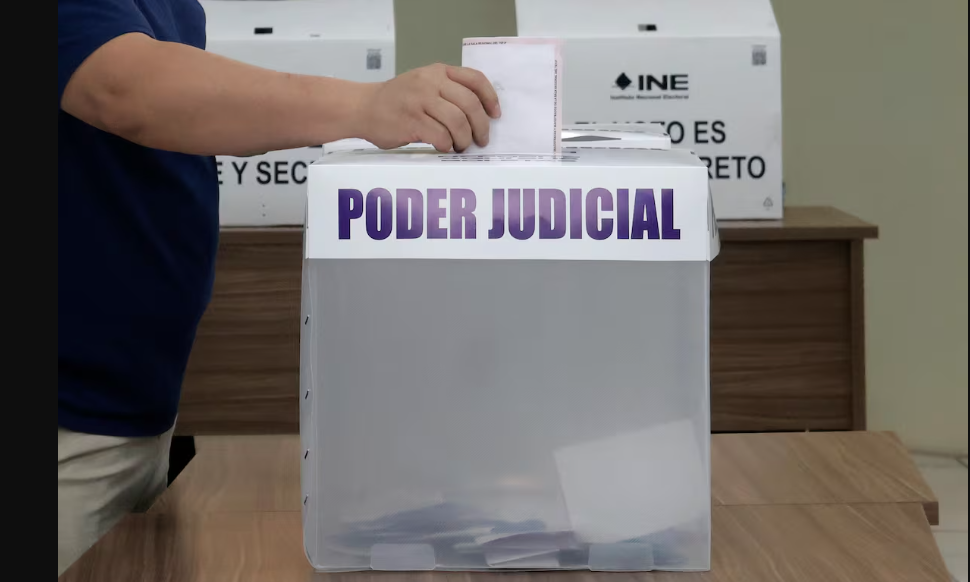
After the controversial approval and entry into force of the judicial reform in Mexico—which introduced the popular election of judges, ministers, and magistrates, among other structural changes—the Mexican Episcopal Conference (CEM) issued a pastoral message that expressed deep doubts and concerns about its implementation. This reform, promoted by the federal government and approved in September 2024, was seen by the bishops as an accelerated process that generated social polarization and did not necessarily guarantee more qualified or autonomous justice. Titled “Message from the Mexican Episcopate on the judicial reform,” it called for building a “just and peaceful Mexico,” recognizing the shared desire to improve the judicial system, but questioning its execution and real effects on society.
A central point of criticism was the first popular election of magistrates in June 2025, where the CEM pointed out “inconsistencies and confusions” in the process, such as the lack of clarity in selection criteria and the risk that unsuitable candidates access key positions. They feared that this would not elevate the quality of justice but expose it to external influences. The high abstention rate of 87% in these elections was interpreted by the bishops as a “reflection of citizen discouragement,” a sign of distrust in institutions and a call to reflect on the effectiveness of the reform. In their January 2025 message on yearnings for the year, they warned that the reform “does not guarantee a better and more qualified administration of justice; even more, it could worsen it.”

Parishes to build peace
The Catholic Church in Mexico launched a national initiative of ambitious pastoral scope: “Heal to build peace,” promoted by the National Dialogue for Peace—a coalition made up of the Mexican Episcopal Conference, the Society of Jesus, the Conference of Major Superiors of Religious in Mexico, and more than 200 civil society organizations. The objective is to turn parishes into privileged spaces for community healing, reconciliation, and active construction of peace in a country wounded by violence, impunity, and polarization. Parishes promote «Heal to build peace,» a guide of seven sessions for community discernment, fostering listening, collective solutions, and evangelical reconciliation in violent areas.
One tilma, one heart, towards the 500 years of the apparitions
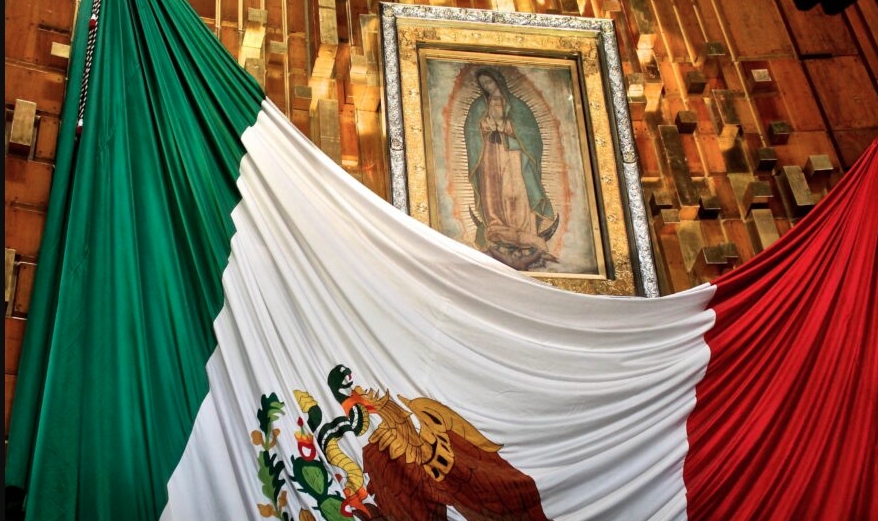
The Mexican Episcopal Conference presented the initiative “One tilma, one heart,” an emblematic project framed in the Intercontinental Guadalupanan Novena—a nine-year evangelization process (2022-2031) to prepare for the celebration of the 500th anniversary of the Guadalupanan Event. The central proposal consists of the national pilgrimage of authentic replicas of the Sacred Tilma of San Juan Diego, blessed in the Basilica of Guadalupe, which will tour all the dioceses of Mexico, turning each community into a “sacred little house” like the one the Virgin asked of the indigenous man on the Tepeyac.
The pilgrimage began symbolically in Cuernavaca and will extend until 2031, with diocesan animators (priests with Guadalupanan spirituality) and “little Juan Diegos” (local missionaries) accompanying the image. Each diocese receives a third-degree tilma-relic (which has touched the original ayate), enthroning it in cathedrals, shrines, and parishes, fostering Guadalupanan congresses, diplomas, catechesis, and creative productions.
The raids in Los Angeles, “Inhumane”
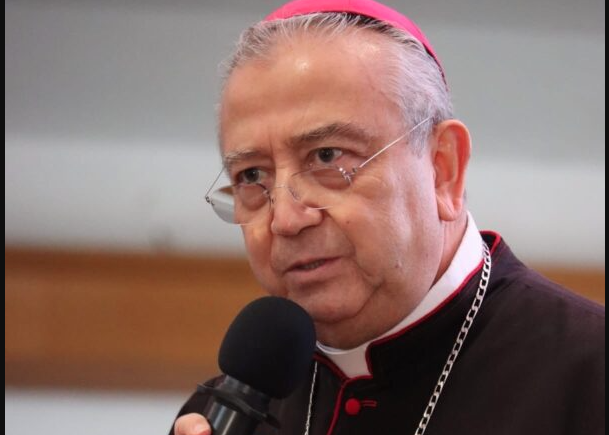
The Archbishop of Tijuana, Francisco Moreno Barrón, raised his voice against the mass raids by the Immigration and Customs Enforcement Service (ICE) in Los Angeles, California, calling them “inhumane” and destructive of families. Moreno Barrón denounced these operations as violators of human dignity, arguing that they separate parents from children, generate terror in migrant communities, and contradict the evangelical values of welcome and mercy. “These raids are not only inhumane, but they attack the social and family fabric, leaving thousands in uncertainty and fear,” he affirmed, calling for dignified migration and reforms that prioritize the common good on both sides of the border. His criticism is framed in a context of escalation in U.S. migration policies, where Mexico, as the immediate neighbor, receives the direct impact of deportations.
The northern border Mexican bishops issued collective messages of solidarity, expressing “pain and concern” for the raids in LA, solidarizing with migrants “suffering persecution and violence” and urging a cessation of hostilities that affect binational communities.
The first bishop of Leo XIV for Mexico
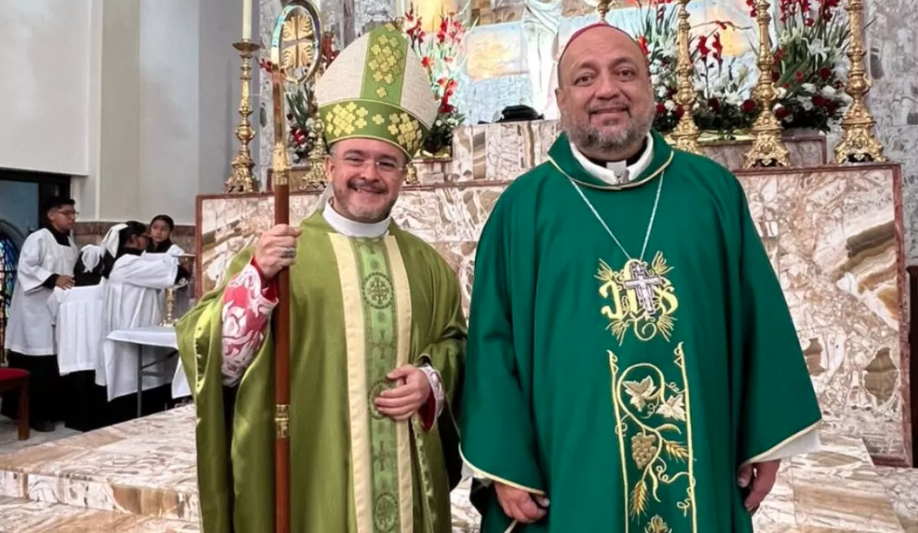
In a historic moment for the Mexican Church, on June 20, 2025, Pope Leo XIV made his first episcopal appointment for Mexico by naming the presbyter José Luis Cerra Luna as II Bishop of the Diocese of Nogales, Sonora. This border see, vacant since March 2024 after the transfer of José Leopoldo González González to San Juan de los Lagos, receives someone with deep experience in similar realities: migration, social vulnerability, and pastoral challenges on the northern border.
Cerra Luna, until then vicar general of the Diocese of Matamoros-Reynosa and parish priest of the Co-Cathedral of Our Lady of Guadalupe in Reynosa, went viral for an anecdote that circulated widely on social networks when the then Father Cerra Luna, during a Mass in Reynosa, when mentioning the Pope in the Eucharistic Prayer—still memorizing the new name after the recent mourning for Francis—made a mistake and said “our Pope Francis” instead of Leo XIV.