


In ancient Greek mythology, Artemis was the goddess of the hunt, wild forests, and the Moon. Twin sister of Apollo, god of the sun and light, she reigned over the silver night with her bow and torch, guiding travelers in the darkness and protecting the untamed.
More than two millennia later, NASA has chosen her name for the program that returns humanity to the satellite of the mythological goddess. On April 1, 2026, when the Orion spacecraft launches from Kennedy Space Center toward the Moon, it not only resumes a path interrupted more than half a century ago, but inaugurates a new era: that of permanent human presence beyond Earth.
It marks a historic day in every sense of the word, a true watershed in space exploration. More than half a century ago, on December 7, 1972, the Apollo XVII missionclosed manned trips to the Moon. Its astronauts—commander Eugene Cernan, geologist Harrison Schmitt, and pilot Ronald Evans—spent 75 hours on the surface of the Taurus-Littrow valley, traveled 35 kilometers with the lunar rover, and collected 110 kilos of rocks that still today reveal secrets about the formation of our satellite.
Upon leaving the Moon, Cernan left a phrase that became an epitaph: “We leave the Moon as we came and, God willing, we shall return with peace and hope for all mankind”. That farewell extended for 53 years of lunar silence. Now, Artemis II not only fulfills that pending promise, but inaugurates the era of permanent human presence on our satellite.
Unlike Apollo XVII, a mission of three veteran men from the Cold War era, Artemis II features a diverse and representative crew of the 21st century: three men and one woman, including an African descendant, all around 50 years old, born just at the twilight of the Apollo program.
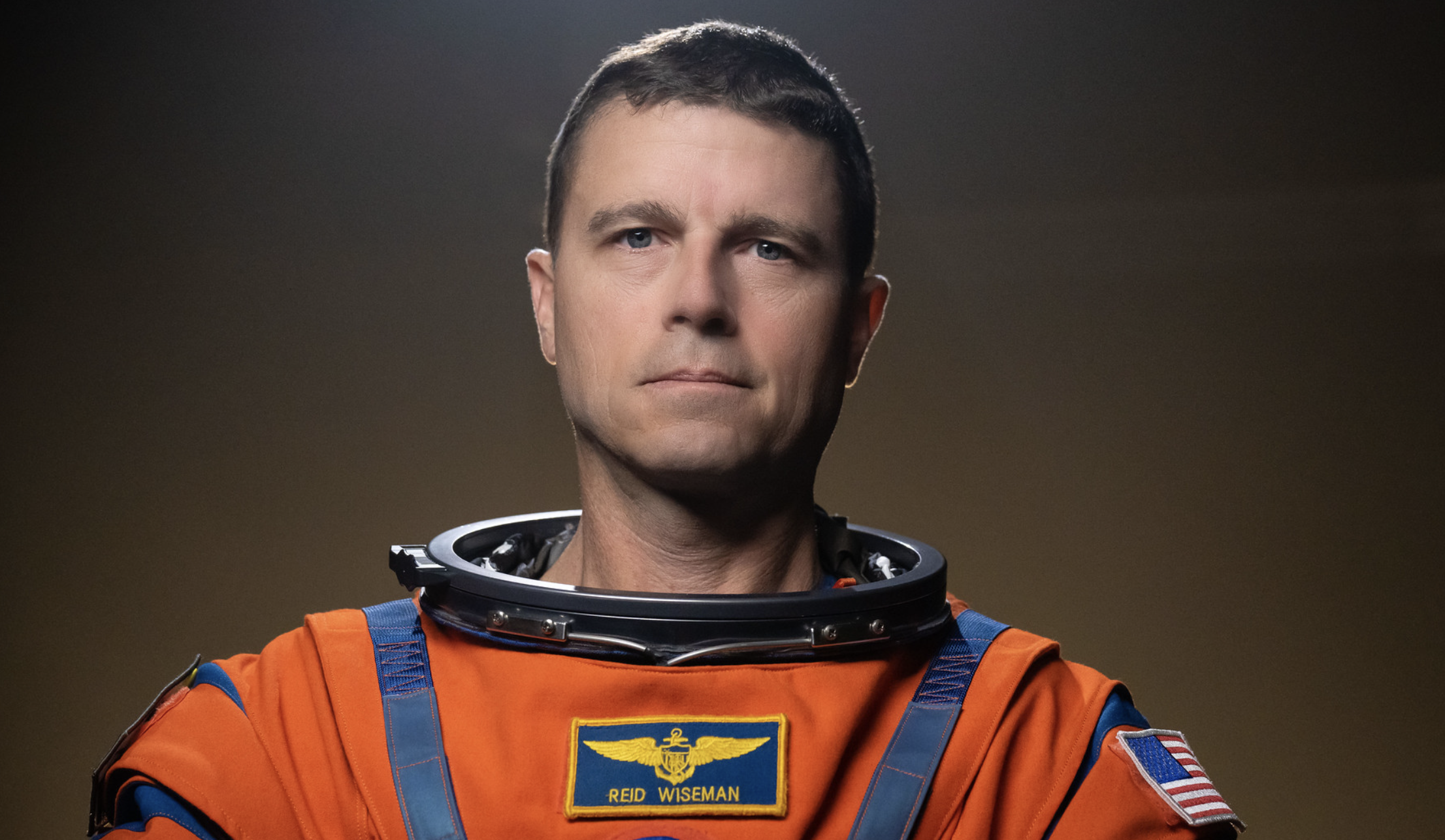
The commander is Reid Wiseman, 50 years old, retired U.S. Navy captain, engineer, and test pilot with experience on the International Space Station, ISS, in 2014. His leadership and track record in complex operations make him the ideal captain for this historic test.
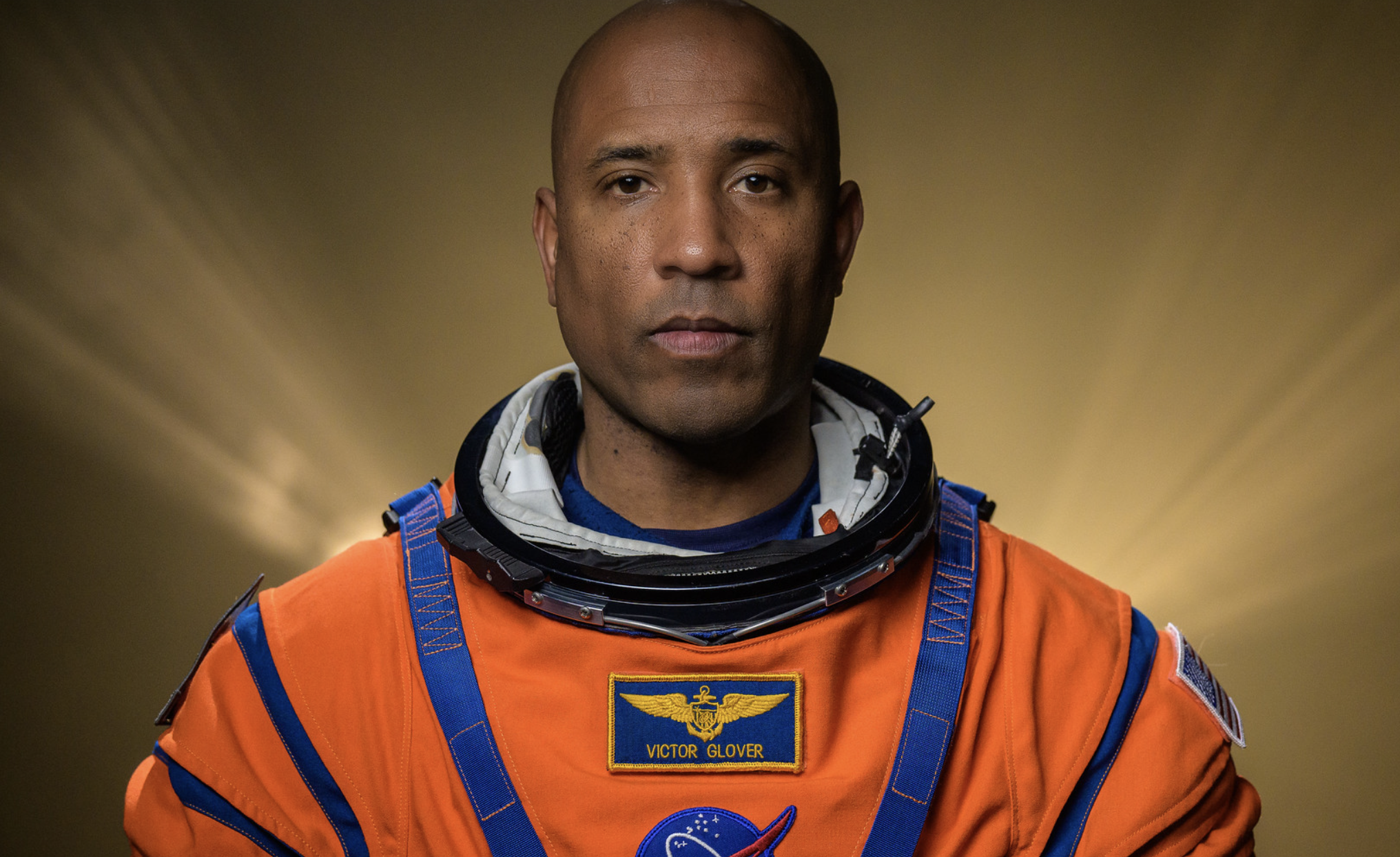
The pilot is Victor Glover, 49 years old, also a Navy captain and the first African descendant to travel toward the Moon. Glover piloted SpaceX’s first operational Crew Dragon mission in 2020 and spent 168 days on the ISS. His presence symbolizes both technological advancement and social progress.
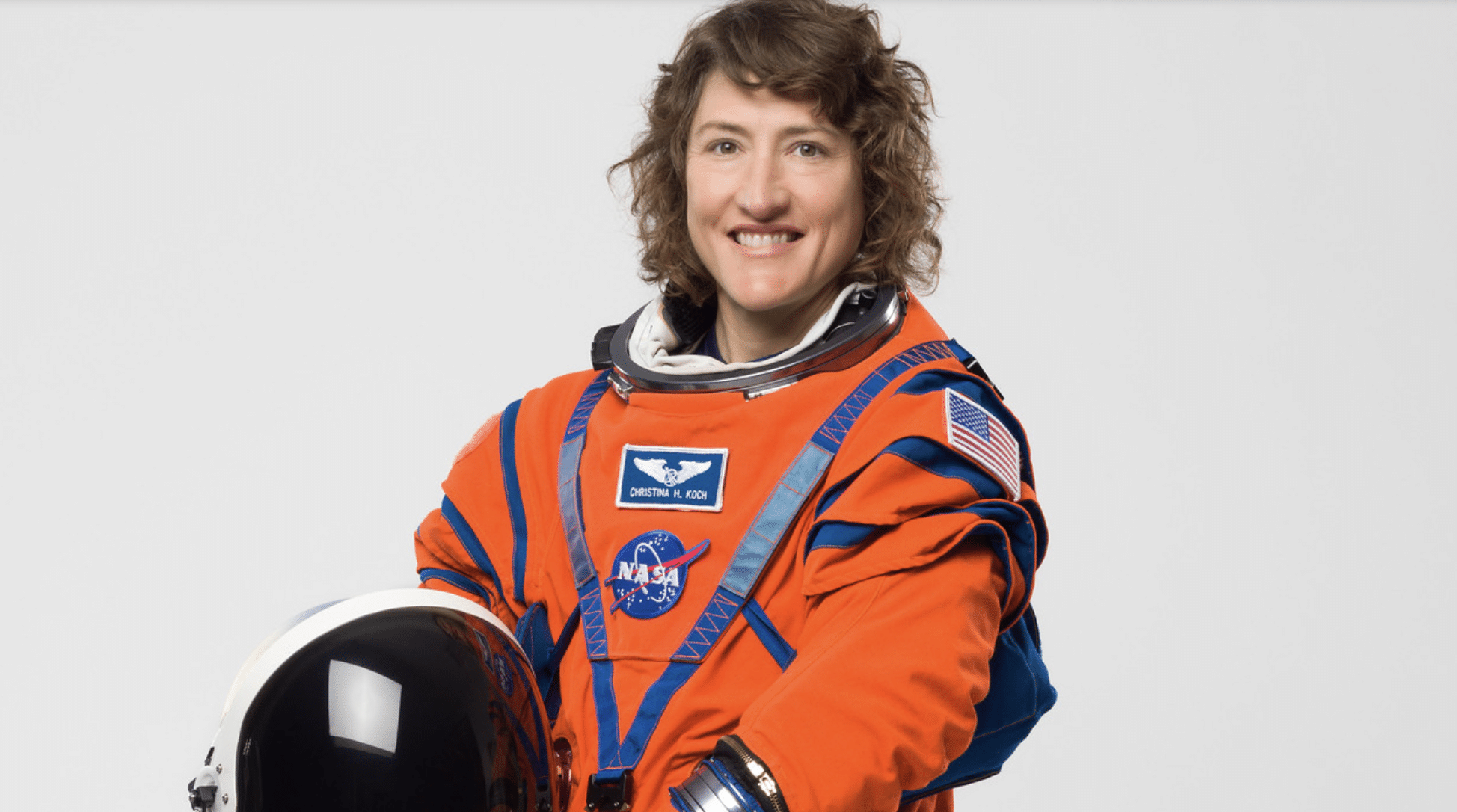
Mission specialist Christina Koch, 47 years old, electrical engineer and physicist, holds the female record for continuous stay in space: 328 days on the ISS. She has performed six spacewalks and is a pioneer in studies on women’s health in microgravity.
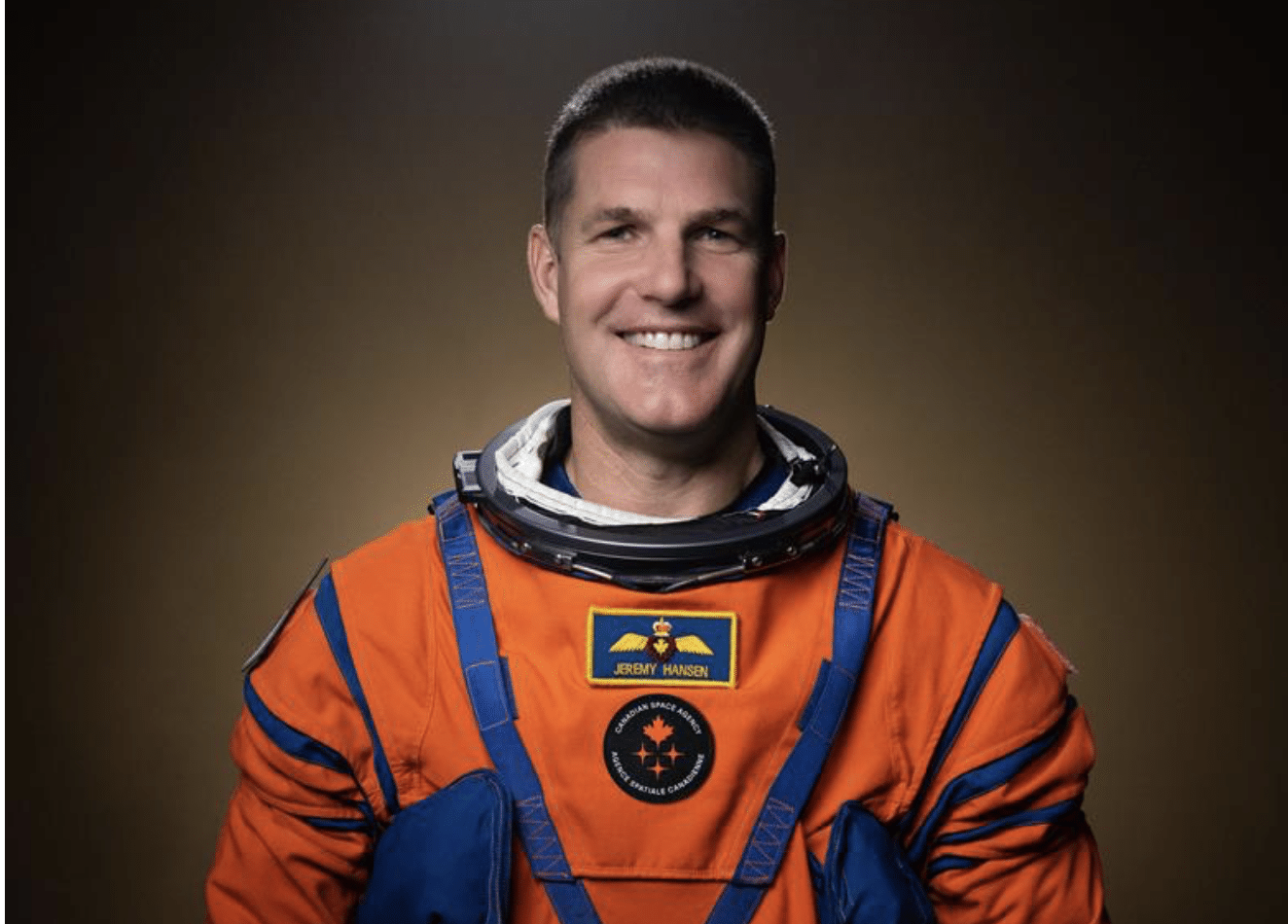
Completing the team is the Canadian Jeremy Hansen, 50 years old, colonel in the Royal Canadian Air Force, fighter pilot, and physicist. Hansen will make his first spaceflight, bringing an international perspective to the group.
The Artemis II mission will last approximately ten days. The Orion spacecraft, powered by the powerful SLS rocket, Space Launch System, will carry the astronauts on a free-return trajectory that will take them around the Moon, passing about 6,000 kilometers from its surface and reaching record distances from Earth.
Its main purpose is to validate in real conditions the life support systems, navigation, thermal shields, and communications in an environment of radiation and deep vacuum, indispensable preparations for future manned landing missions.
Among the curiosities that have sparked public interest is the astronauts’ menu. Far from the dehydrated meals of the Apollo era, NASA has prepared nearly 190 food items, including more than 58 tortillas—a space classic for its practicality and minimal crumb generation in microgravity—, quiches, mango salads, couscous, smoothies, coffee, and even five types of hot sauces. These small comforts remind us that exploration is no longer just survival, but everyday life in the cosmos.
The chosen moment for this return is not casual. It coincides with the Easter full moon—also known as the Pink Moon—that reaches its peak in the early hours of April 2, 2026, illuminating the sky in the heart of Holy Week. This is the first full moon after the spring equinox and, according to ecclesiastical tradition, determines the date of Easter Resurrection, which in 2026 will be celebrated on April 5. To contextualize the symbolic relevance, it suffices to recall the first manned flight that orbited the Moon: the Apollo 8 mission, in December 1968.
Its three astronauts—Frank Borman, Jim Lovell, and Bill Anders—became the first humans to contemplate Earth as a fragile blue orb from the lunar distance. On Christmas Eve, as they flew over the lunar surface, they read live the passage from Genesis about creation, offering a message of hope amid the turmoil of the Cold War.
Now, more than half a century later, Artemis II picks up that cosmic thread in another moment laden with meaning: the full moon that precedes and announces the Easter Resurrection. That coincidence invites deep reflection. Humanity’s return to the Moon occurs precisely during the feast that celebrates Christ’s victory over death and the divine promise to “make all things new” (Rev 21:5).
That same full moon that today announces Easter 2026 evokes the very core of the Christian mystery: while humanity turns to look at the Moon again with explorers’ eyes, the sky itself confirms that Easter is not just a liturgical remembrance, but a cosmic event. The entire creation, including our presence beyond Earth, is being renewed.
That idea of renewal resonates with the words that Pope Paul VI, whose pontificate was marked by wars and conflicts, addressed to the Apollo XI astronauts in 1969: “We would do well to meditate on man, in his prodigious ingenuity, in his daring courage, in his fantastic progress. Dominated by the cosmos as an imperceptible point, man dominates it with thought and who is man? Who are we, capable of so much?”.
Holy Week 2026 will be etched in memory as one of the brightest of the modern era. While the faithful commemorate Christ’s Passion, Death, and Resurrection, humanity represented in Artemis II will rise toward the Easter full moon that announces the end of darkness and the definitive triumph of Life.
That moon, shining in the sky on April 2, is not an indifferent star; it is the same satellite that, from the origins, reflects the Sun’s light. And just as Christ is the true Light that enlightens every man, the crew will symbolically touch that reflected light at the precise moment when the Church celebrates that He is the Alpha and the Omega, the Beginning and the End. Because “all things were created through Him and for Him” (Col 1:16), and in this cosmic Easter the entire creation seems to join the victory song: death has been conquered. Amid conflicts, uncertainties, and planetary challenges, humanity once again lifts its eyes to the sky, not to escape, but to rediscover its deepest destiny: to be the image of a Creator who makes all things new.
Artemis and Apollo, the mythological lunar goddess and solar god, reunite in the 21st-century firmament under the gaze of the One who sustains all things. This is no mere coincidence; it is a sign. The Moon, which for more than half a century remained silent, ceases to be a mere distant reflection to become the first step of a resurrected humanity, called to inhabit the cosmos with boldness, humility, and hope. Humanity not only returns to the Moon; in a certain way, it celebrates an eternal Easter that four human beings will symbolically touch when the light announces the joy that is the mystery of our faith.
Fair winds, Artemis II, Godspeed