


Mientras el llamado “camino sinodal” alemán continúa a la espera de que el Vaticano dé luz verde definitiva a sus estatutos, en Alemania no se detienen. Al margen de la respuesta de Roma, distintos organismos eclesiales siguen avanzando en propuestas que afectan directamente a la liturgia y la teología sacramental.
Es el caso del nuevo Benediktionale —el libro de bendiciones— que prepara la Conferencia de Liturgia de la Iglesia en lengua alemana y que, según sus responsables, verá la luz en 2029. El proyecto, que ya cuenta con borradores en fase de prueba, introduce cambios significativos en aspectos clave de la vida litúrgica.
Blessings for «couples who love each other»
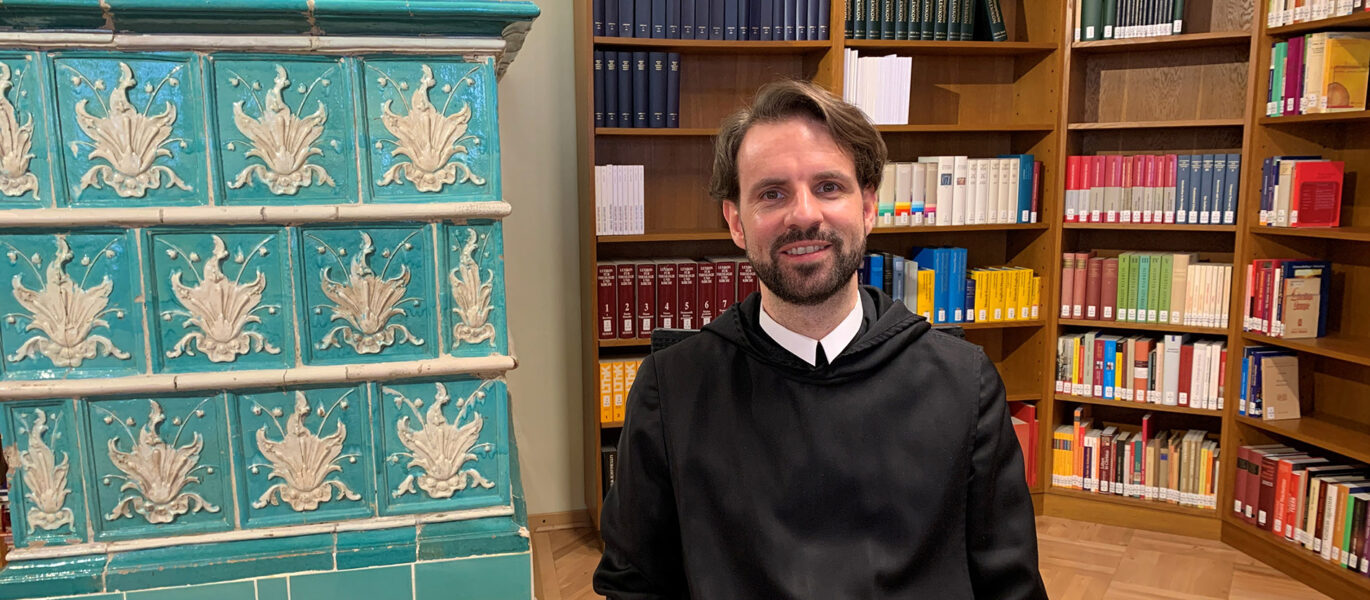
In an interview granted to katholisch.de, the head of the working group, the Benedictine Johannes Feierabend, admits without beating around the bush that formulas are being worked on to bless couples.
“We believe there should also be a formula for this”, he states, referring to “couples who love each other”. An expression broad enough to encompass a lot… or to specify nothing.
It is no minor detail: according to him, it is the “only point that immediately caught attention” in the Vatican.
Far from slowing down, the initiative continues its course. Although the Bishop of Trier, Stephan Ackermann, suggested that Rome should draft that formula, the working group prefers to proceed on its own and then see how it is received in the Holy See.
A shift toward the human
The new ritual also proposes a change in focus regarding the very meaning of blessing. In contrast to the tradition of blessing objects, personal situations are now prioritized.
Feierabend himself explains it clearly: “Today it is emphasized that God blesses people above all and not things in themselves”. This change responds, as he points out, to a theological vision that “puts the human being more at the center”.
This is a significant shift that redefines the pastoral meaning of blessing.
The Church facing the “competition” of civil rituals
Another element that marks the project is adaptation to the social context. The interviewee acknowledges that the Church observes the growth of non-ecclesial celebrations.
“We are in dialogue with some freelance celebrants”, he explains, noting that many of them come from the ecclesial sphere. The goal is to learn “how they prepare their celebrations, what they say, and what symbols they use”.
The German Church thus assumes, in fact, the existence of competition in the ritual field and seeks to respond to it with new proposals.
Questioning traditional liturgical formulas
The project does not limit itself to content, but enters the very structure of the liturgy. It proposes reviewing classic formulas such as the greeting “The Lord be with you” or the final words of blessing.
Feierabend acknowledges that it is not a simple practical adjustment: “It is above all a theological question” to decide whether all the baptized can use these formulas.
The issue directly affects the distinction between ordained ministry and lay faithful.
Laypeople blessing: a proposal underway
This impetus is not limited to the content of the blessings. It also affects who imparts them. Feierabend explains that the new formulas “are no longer formulated thinking of priests and deacons”, but refer more broadly to “leadership”
“Our positioning is not to distinguish based on ordination, but to argue from grace and baptismal vocation”, the Benedictine asserts.
This is an ecclesiological change of scope, which will need Rome’s approval, but which is already being developed in the German sphere.