


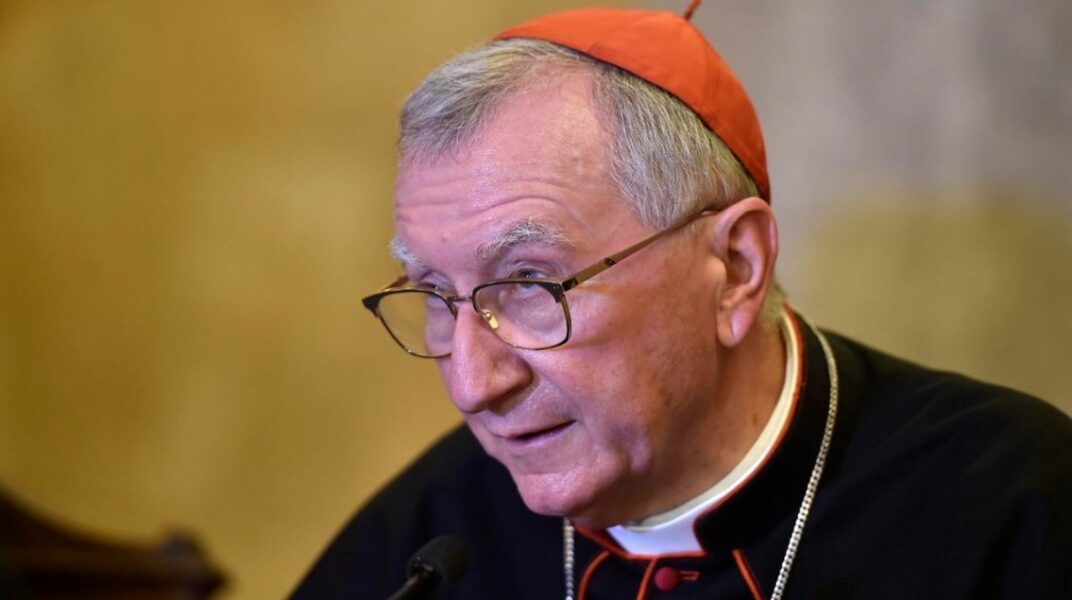
Cardinal Pietro Parolin, Secretary of State of the Vatican, has acknowledged the persistence of a deep division in the Church regarding the traditional Latin Mass and has warned that “the liturgy must not become a source of conflict and division among us,” according to statements given to The Catholic Herald, following the message from Leo XIV to the bishops of France.
The words of the Secretary of State come after years of restrictions on the use of the traditional Roman Rite, especially following the motu proprio Traditionis Custodes, without these having resolved the existing tensions.
The Pope himself Leo XIV has recently acknowledged that this issue remains “a painful wound” in the Church, in reference to the persistence of disagreements surrounding the celebration of the Mass, precisely the sacrament called to express unity.
“Legitimate Needs” and Search for Balance
In this context, Parolin, aligning himself with the message from Leo XIV, has pointed out the need to find “a formula” that can respond to “legitimate needs,” suggesting the possibility of a path of accommodation for the faithful linked to the traditional form of the Roman Rite.
At the same time, he has warned that any solution must avoid turning the liturgy into a “battlefield,” an expression that reflects the intensity of the conflict that this issue has generated in recent years.
Parolin’s Role in Liturgical Restrictions
The cardinal’s current statements contrast with his role in the years prior to the promulgation of Traditionis Custodes. As recalled by the College of Cardinals Report, Parolin played a relevant role in the process that led to the drafting of the motu proprio.
In that context, the Secretary of State would have supported the need to introduce more restrictive measures regarding the traditional liturgy, in line with the concerns expressed by various officials of the Curia.
The concern over the growth of traditional communities, especially among young people, was a phenomenon that led some ecclesiastical officials to raise the need to analyze why the Vetus Ordo was attracting new generations. An issue that was the subject of attention in the internal debate prior to the subsequent decisions.
Likewise, in meetings held in 2020 at the then Congregation for the Doctrine of the Faith, Parolin expressed reservations about the institutes linked to this liturgical form, pointing out their supposed difficulty in accepting the liturgical reform and their reluctance to concelebrate.
A Change of Tone After a Period of Tension
The statements of the Secretary of State introduce a significant nuance regarding the dominant approach in the period following Traditionis Custodes, characterized by regulation and restrictions.
However, this change of tone does not necessarily imply a substantive modification in the assessment of the liturgical issue, but rather seems aimed at containing a conflict that has not disappeared and, on the contrary, has become more visible.